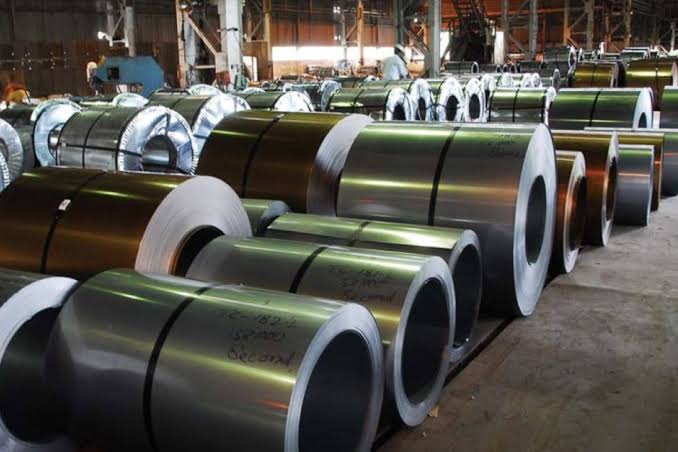
Kolkata Steel Industry Enters A New Industrial Phase
The city’s position in India’s eastern industrial economy came under fresh scrutiny as the ferrous sector gathered in Kolkata from August 19–21, with discussions spanning raw-material security, freight, technology, trade and decarbonisation. The scale of the forum points to a wider challenge for Kolkata: industrial growth will increasingly depend not only on steel capacity, but also on resilient infrastructure, efficient logistics and lower-carbon production.
The three-day industry gathering brought together more than 1,100 participants, over 110 speakers and representatives from across the ferrous value chain, according to event information. Sessions covered iron ore, pellets, direct reduced iron, scrap, coal, steel, shipping and logistics, alongside technology and artificial intelligence.For Kolkata and West Bengal, the industrial implications extend beyond steel mills. A stronger metals economy requires reliable transport links, freight capacity, power supply, industrial land and supporting urban services. Bottlenecks in any of these areas can increase costs for manufacturers while adding pressure to roads, rail networks and surrounding communities.The Kolkata steel industry is also operating in a more uncertain global market. Raw-material prices, changing trade flows and freight disruptions are making supply planning harder for producers. Industry discussions in Kolkata highlighted the growing importance of securing inputs and improving efficiency rather than relying solely on expanding production capacity.
That shift has an important environmental dimension. Steel remains one of the more carbon-intensive industrial sectors, making technology choices increasingly relevant to India’s longer-term climate goals. The forum included discussions on green steel, decarbonisation, industrial waste utilisation and technological changes in steel and DRI plants. For eastern India, where industrial activity is closely linked to mineral and manufacturing corridors, cleaner production could also reduce the environmental burden associated with future expansion.Artificial intelligence was another emerging theme, with sessions examining applications ranging from scrap sorting to market intelligence and supply-chain decisions. While such tools can improve operational efficiency, their wider value will depend on whether productivity gains translate into safer workplaces, better resource use and more resilient infrastructure.The Kolkata steel industry also faces a workforce and inclusion challenge as manufacturing becomes more technology-driven. Discussions on women’s participation in the sector suggest that future industrial growth will need to draw from a broader talent pool, particularly as specialised skills become more important.
For Kolkata, the next phase of industrial development therefore cannot be measured simply through investment or production figures. The more significant test will be whether manufacturing expansion is matched by dependable logistics, efficient resource use, cleaner technology and urban infrastructure capable of supporting both industry and citizens.