


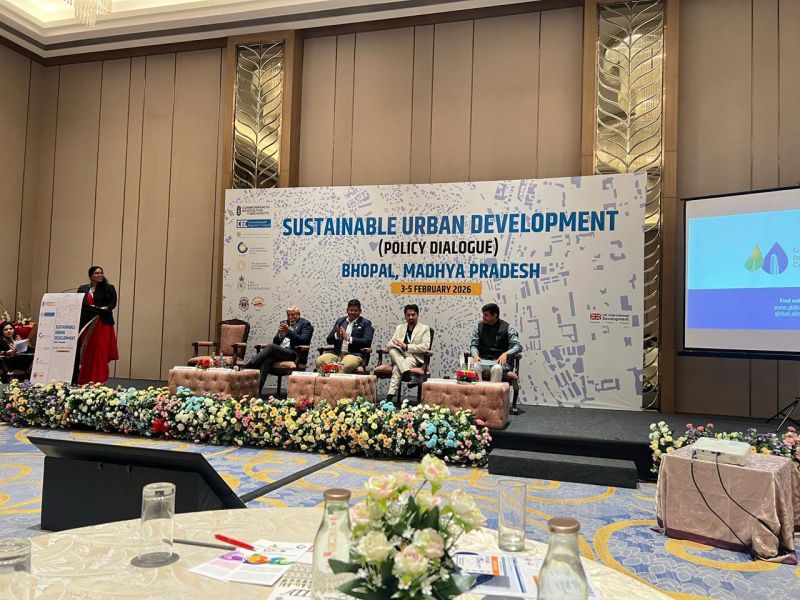
A recent Kolkata policy dialogue has brought renewed attention to persistent gaps between urban policy design and on-ground implementation, highlighting concerns around governance, infrastructure delivery, and citizen access.
The discussions, involving policy observers and civic stakeholders, underscored how structural inefficiencies continue to shape outcomes in one of India’s oldest metropolitan regions.Participants pointed to a recurring disconnect between policy intent and execution, particularly in areas such as urban infrastructure, environmental management, and service delivery. While frameworks for sustainable growth exist on paper, their translation into measurable improvements has been uneven. Experts noted that this gap often stems from fragmented institutional responsibilities and limited coordination across agencies.The Kolkata policy dialogue also highlighted the growing pressure on urban systems as population density and economic demands increase. Issues such as housing affordability, mobility constraints, and access to basic services remain central to the city’s development challenges. Urban planners argue that without integrated planning, piecemeal interventions risk deepening inequalities rather than addressing them.A key concern raised during the discussions was the need for stronger accountability mechanisms.Analysts emphasised that transparent monitoring and data-driven governance are essential to ensure that public investments yield intended outcomes.
In cities like Kolkata, where legacy systems coexist with modern infrastructure demands, the ability to track and evaluate projects becomes critical for long-term sustainability.Environmental considerations formed a significant part of the conversation. With rising climate risks, including flooding and heat stress, there is increasing urgency to embed resilience into urban planning. Experts suggested that policy frameworks must move beyond reactive measures and prioritise preventive strategies such as green infrastructure, efficient drainage systems, and sustainable land use practices.The dialogue also touched upon the socio-economic dimensions of urban development. Ensuring equitable access to services, particularly for vulnerable populations, remains a pressing challenge. Stakeholders noted that inclusive planning is not only a social imperative but also a prerequisite for stable and productive urban economies.From a governance perspective, the discussions reflect a broader national trend where cities are re-evaluating how policies are designed and implemented. Strengthening institutional capacity, improving inter-agency coordination, and fostering community participation were identified as key areas requiring attention.
For Kolkata, the outcomes of this Kolkata policy dialogue signal the need for a more cohesive approach to urban management—one that aligns policy ambition with execution capabilities. As the city continues to evolve, bridging this gap will be essential to ensuring that development is both sustainable and inclusive, while meeting the expectations of its growing population.
Also Read:Kolkata Development Dialogue Governance And Growth Focus
