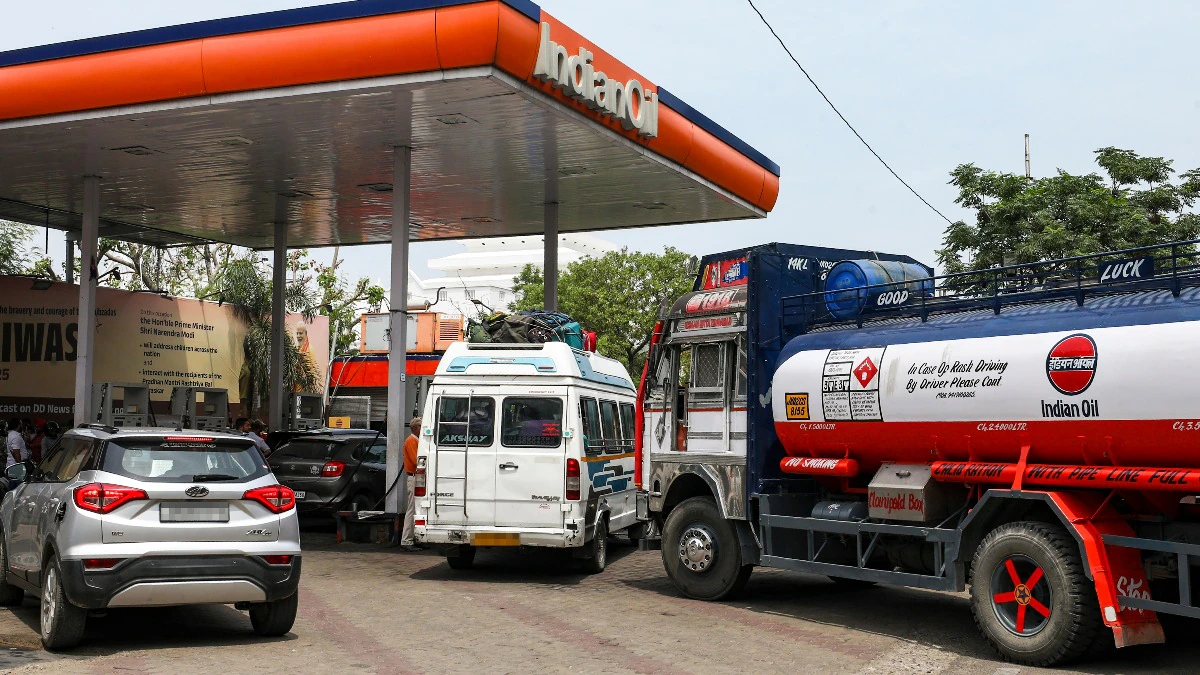
Fuel costs continue to remain a critical factor influencing household budgets, transport operations and urban mobility patterns across Kolkata, highlighting the close relationship between energy pricing and the functioning of India’s major metropolitan economies. As one of the country’s largest urban centres, the city remains particularly sensitive to changes in petrol and diesel rates due to its dependence on road-based passenger and freight movement.
The latest fuel price levels in Kolkata are being closely monitored by commuters, logistics operators and businesses that rely heavily on transportation networks. While fluctuations in fuel rates are often driven by international crude oil markets, currency movements and taxation structures, their local impact is felt most directly through everyday commuting expenses and the cost of goods and services.Urban economists note that fuel prices have a cascading effect on city economies. Higher transportation expenses can influence delivery charges, public transport operations and business costs, particularly for small enterprises operating on thin margins. For a city such as Kolkata, where millions depend on a combination of buses, taxis, app-based mobility services and private vehicles, fuel affordability remains a significant civic concern.The importance of Kolkata fuel prices extends beyond individual consumers. Industry observers point out that transport-linked sectors, including retail distribution, construction supply chains and urban services, closely track fuel movements when planning operating budgets. Even modest changes can alter expenditure projections across multiple industries.
Urban planners also view fuel pricing through a broader sustainability lens. Rising fuel costs often encourage a gradual shift towards public transport, metro rail usage and shared mobility solutions. Kolkata’s expanding mass transit infrastructure, including metro network growth and improved multimodal connectivity, has strengthened alternatives to private vehicle dependence. Such transitions are increasingly relevant as cities seek to reduce congestion, improve air quality and support climate-resilient development.At the same time, experts caution that affordability remains central to successful mobility transitions. If sustainable transport options are not accessible, reliable and economically viable, households may continue to face financial pressure from transport-related expenses. This makes the monitoring of Kolkata fuel prices an important indicator not only for consumers but also for policymakers evaluating urban transport strategies.
Market analysts suggest that future fuel price movements will continue to depend on global energy trends and domestic policy decisions. For city administrations, the challenge lies in balancing economic growth with sustainable mobility goals while ensuring residents have access to efficient and affordable transport choices.As Kolkata continues to expand and modernise its infrastructure, fuel costs will remain a closely watched measure of urban economic health, influencing everything from commuting behaviour to business competitiveness and long-term city planning.