


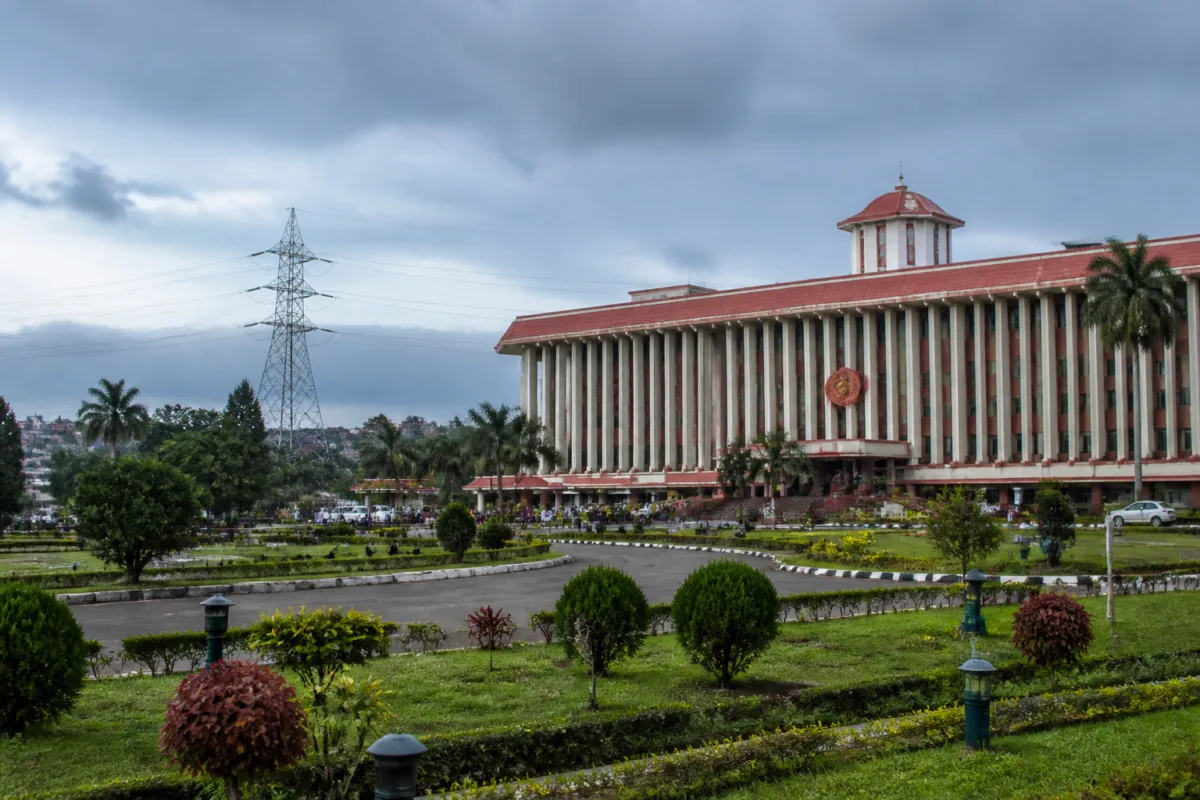
The Kerala government has recommended that the state Assembly be convened from November 30 to December 10 to take up additional legislative business and pass pending bills, while the cabinet has approved changes to compensation for 400kV power transmission projects in Kasaragod and Wayanad.
The recommendation will be sent to the Governor. The proposed 10-day session is expected to address pending legislative work, although the specific bills to be taken up were not detailed in the report.
The cabinet also approved a report on the action taken, proposed measures and reasons for not implementing certain recommendations made by the Kerala State Commission for Economically Backward Classes among forward communities. The commission submitted its report in 2022, and the cabinet has decided that the latest report will be tabled in the Assembly.
The government further decided to amend the special compensation package approved through an order dated March 15, 2026. The amendment relates to the construction of 400kV power transmission line projects in Kasaragod and Wayanad. The report did not specify the revised compensation terms or the affected number of landowners and properties.
The transmission projects place compensation within the administrative framework for acquiring or using land for major electricity infrastructure. The cabinet decision is therefore relevant to project-affected residents in the two northern Kerala districts, although details of the amendment were not provided in the available report.
Separately, Chief Minister V D Satheesan held discussions with a delegation from the high-powered task force on examination reforms during its visit to Kerala. The delegation included former Isro chairman S Somanath, task force permanent invitee Shankar Maruwada, and P Bala Kiran, secretary-cum-controller of examinations of the national recruitment agency and joint secretary in the Department of Personnel and Training, Government of India.
The discussions examined existing examination systems and measures intended to make examinations more transparent, secure, accountable and efficient. The participants discussed examination procedures, question-paper security, the conduct of examinations and the functioning of examination agencies.
The meeting also considered computer-based testing and the institutional and technological infrastructure required for its implementation. Other proposed reforms focused on the credibility, security, transparency and efficiency of examination systems.
The Assembly session recommendation, the report on economically backward communities and the revised compensation package will now proceed through the relevant government and legislative processes. The session is proposed to run from November 30 to December 10.

