


A Karnataka delegation led by Deputy Chief Minister D.K. Shivakumar visited Osaka’s Maishima waste incineration facility on Tuesday to study planned municipal waste management and the generation of electricity from waste, according to Prajavani.
Shivakumar said the purpose of the visit was to look for lasting solutions to the state’s urban waste-management problems and examine global methods for producing power from waste. He also said that understanding recognised models in urban planning, infrastructure and environmental management was a government objective.
Located on Maishima Island, the facility has been operating since 2001. The report said its two incineration units can process up to 900 tonnes of municipal solid waste a day and generate 32 megawatts of electricity. The plant meets its own electricity requirements and supplies surplus power to the grid, according to the report.
The facility uses advanced incineration controls, continuous emissions monitoring and modern pollution-control systems. These features are intended to support scientific waste treatment and reduce environmental impacts, Prajavani reported.
For Karnataka’s cities, the visit points to an interest in integrated systems that combine waste processing, energy recovery and pollution control. Such a model would require more than an incinerator: the reported features of the Osaka plant indicate the importance of process controls, emissions monitoring and reliable power management alongside treatment capacity.
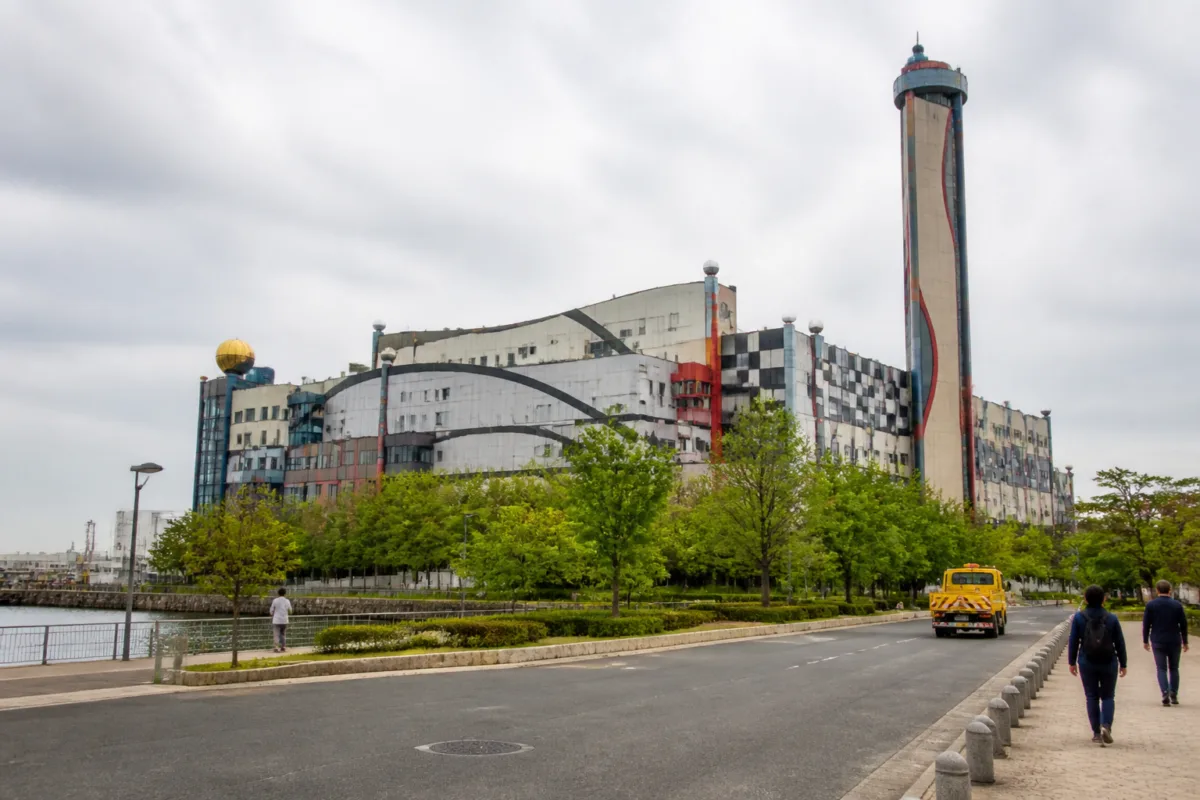
The Maishima facility is also known for its distinctive architecture. Designed by Austrian artist Friedensreich Hundertwasser, it has a colourful exterior, unusual forms and extensive greenery. The report described the site as an example of how essential urban infrastructure can also be designed to raise environmental awareness.
Shivakumar said studying the facility could help strengthen infrastructure in Karnataka’s cities, promote scientific and efficient waste disposal, explore waste-to-energy solutions and support cleaner, more sustainable and liveable urban areas.
The report did not announce a specific Karnataka project, investment, implementation schedule or decision to replicate the Osaka facility. Any move from study to construction would therefore require separate policy, financial, environmental and municipal approvals.

