


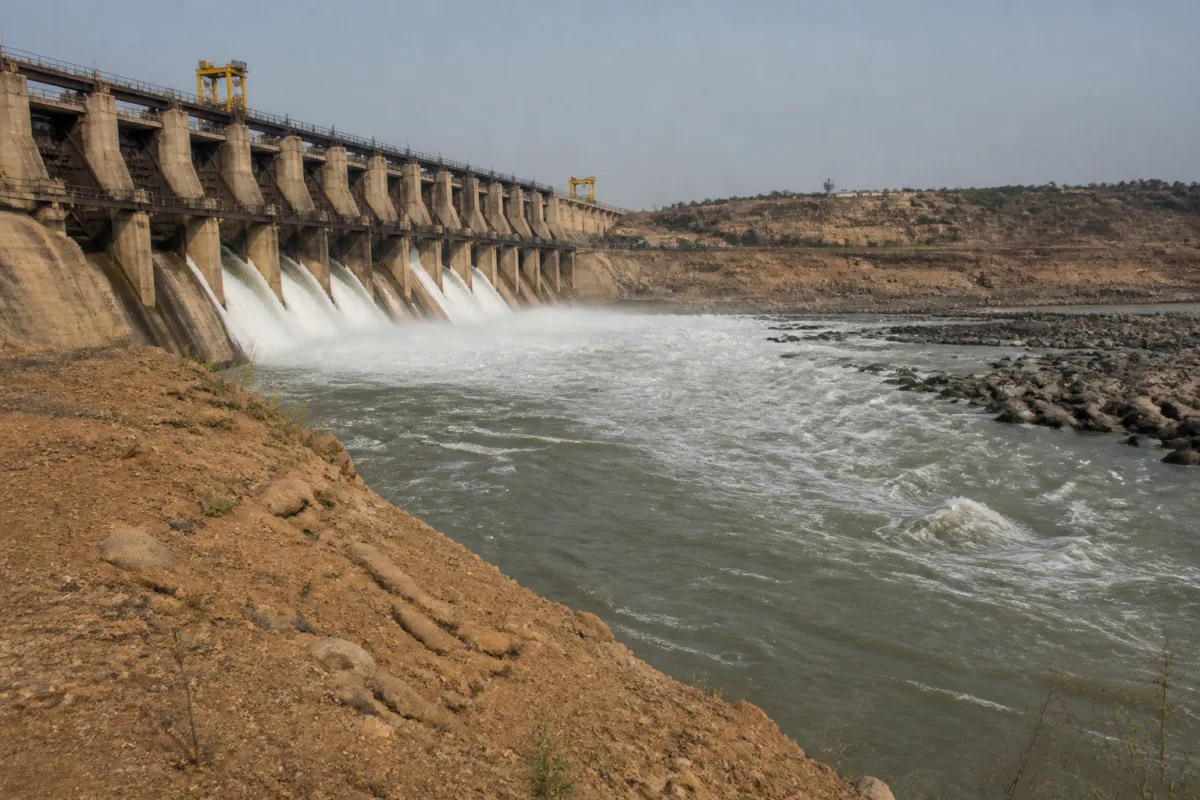
Karnataka is releasing large volumes of water from four reservoirs even as inflows have declined sharply, with three northern Karnataka dams recording zero inflow and storage levels falling well below those recorded on the same day last year, according to a report by Prajavani.
The Almatti reservoir, also known as the Lal Bahadur Shastri reservoir, had zero inflow on Wednesday while releasing 15,589 cusecs of water. Its storage had fallen to 55 TMC feet, or 45% of capacity, compared with 123 TMC feet on the same day last year, when the reservoir was full.
Water released from Almatti was contributing to inflows into the Basava Sagar reservoir at Narayanpur in Yadgir district. The Narayanpur reservoir was receiving 13,929 cusecs and releasing 14,747 cusecs, leaving it with 22.31 TMC feet of water, or 67% availability. Last year, the reservoir held 33.31 TMC feet and was full.
The report said farmer organisations had objected to the release of water through the Tungabhadra and Krishna rivers to Andhra Pradesh and Telangana. The report did not include a response from the authorities to the objections or specify the operational reasons for the release schedule.
The Ghataprabha reservoir in Belagavi district was also recording zero inflow while releasing 6,639 cusecs. Its water availability stood at 89%, with 45.54 TMC feet in storage. Until recently, the reservoir had remained in a full-reservoir condition, while last year’s storage on the same day was reported at 51 TMC feet.
The sharpest year-on-year decline was reported at the Tungabhadra reservoir in Vijayanagara district. Its inflow was zero and its outflow stood at 9,234 cusecs. The reservoir had 33 TMC feet of water, equivalent to 31% availability, compared with 77 TMC feet on the same day last year. Its total storage capacity is 105 TMC feet.
Together, the figures show that the reservoirs are being operated with a widening gap between current inflows and releases. The Almatti and Tungabhadra reservoirs were both releasing water despite no reported inflow, while Narayanpur was receiving water from Almatti but releasing more than it received. The report did not state how long the releases would continue or provide a revised storage forecast.
The developments affect the management of water in the Krishna and Tungabhadra river systems, which serve multiple states and support irrigation and other downstream requirements. The immediate operational question is how releases will be balanced against declining storage and the absence of fresh inflows. Prajavani’s report did not identify any further decision or official timeline for changes to the release levels.

