


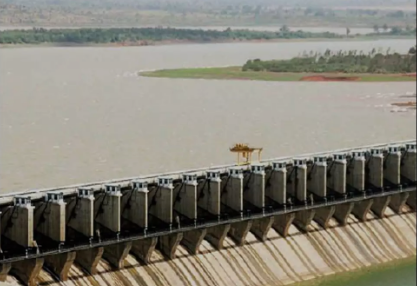
At the recent Mahadayi-Prawah meeting in Bengaluru, Karnataka voiced strong opposition to Maharashtra’s proposed irrigation dam project across the Kattika nullah in Virdi. The contentious project aims to provide drinking and irrigation water to several villages in Dodamarg taluka, Konkan division, with construction initiated back in 2006.
The Virdi dam project has been a point of contention since 2015 when Goa alerted the Mahadayi Water Dispute Tribunal about Maharashtra commencing construction without obtaining necessary clearances. As a result, the tribunal instructed Maharashtra to halt work until all required approvals were secured. In its final award, the tribunal allocated 1.33 tmc feet of water for in-basin use to Maharashtra, prompting the state to revise and submit a detailed project report (DPR) for the Virdi dam. Mahadayi-Prawah meeting, Karnataka joined the fray by formally opposing Maharashtra’s dam initiative. The meeting concluded with a decision to defer deliberations on the DPR until technical approval is obtained from the Central Water Commission.
The dispute underscores ongoing tensions surrounding water allocation and infrastructure development across state boundaries. Karnataka’s objection reflects concerns over potential impacts on downstream water availability and ecological balance, highlighting the complexity of interstate water management in India. Moving forward, the Mahadayi-Prawah authority faces the challenge of reconciling conflicting state interests while ensuring adherence to regulatory protocols and environmental safeguards. The outcome of future deliberations will likely hinge on technical assessments and negotiations aimed at resolving interstate water disputes amicably. The development also underscores the need for robust regulatory frameworks and proactive dialogue among stakeholders to achieve sustainable water resource management in the region. As the debate over the Virdi dam continues, stakeholders and authorities are expected to engage in further consultations to seek a balanced solution that addresses both developmental needs and environmental concerns.
