


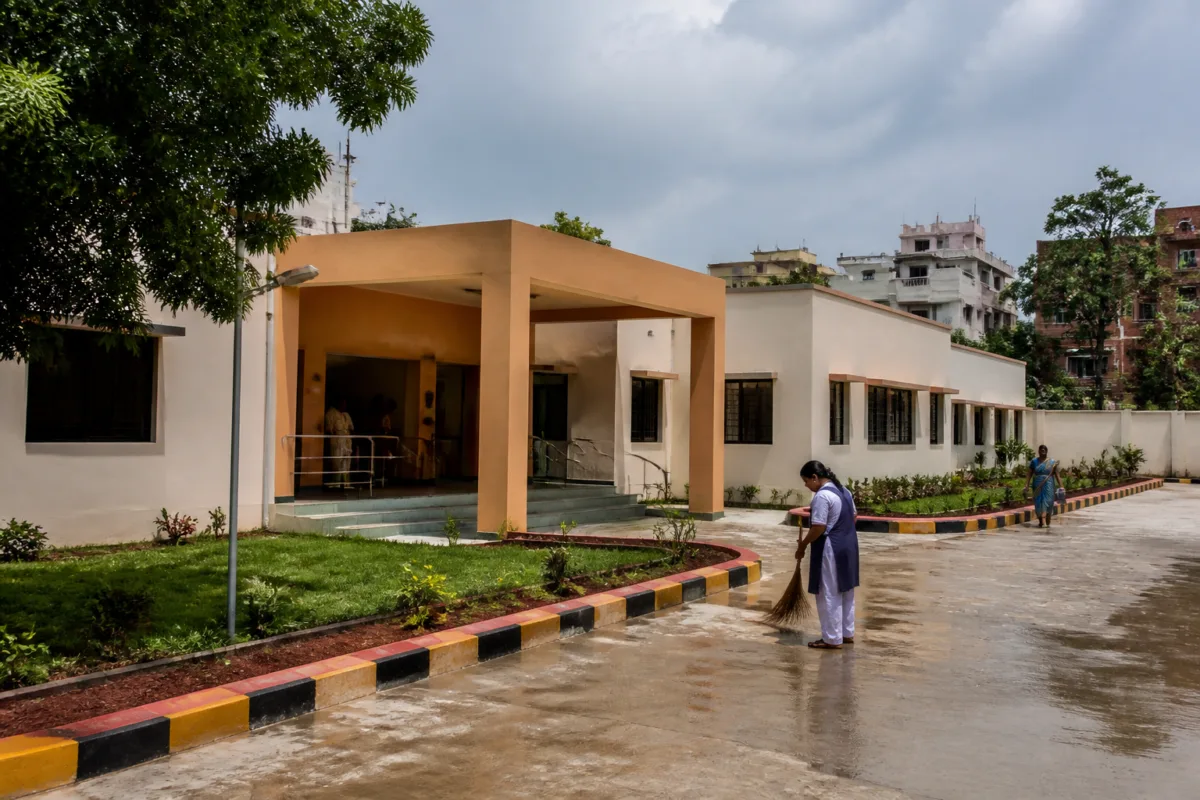
Jharkhand has sanctioned 12 Shakti Sadans to provide long-term shelter, rehabilitation and support to women in distress, with seven facilities under development and the Ranchi centre expected to open shortly, according to the Women and Child Development Department.
The facilities are being established under the Centre’s Mission Shakti initiative. Centres in Gumla, Hazaribag, Sahibganj, West Singhbhum, Seraikela-Kharsawan and Palamu are likely to become operational within the next three months, the report said. The state has not provided an operational timeline for the remaining sanctioned facilities in the supplied information.
Each Shakti Sadan will have 50 beds. The centres will accommodate women who have survived domestic violence, trafficking or other crimes and do not have family support or a safe place to stay. Women with dependent children below 18 years will also be allowed to stay with them, with the children receiving residential care and support.
The programme is designed to provide a longer-term alternative to emergency accommodation. Jharkhand has 35 One Stop Centres, which offer emergency shelter for up to 20 days. Residents of Shakti Sadans may stay for up to three years, with further extensions possible after an assessment of their individual cases.
Referrals will primarily be made through local police stations and the One Stop Centres. The women and child development department will supervise the facilities, while civil society organisations identified and approved by the department will run the seven centres currently under development.
Social welfare director Kiran Pasi said the facilities would focus on long-term empowerment rather than emergency relief alone. “These homes will provide long-term stay facilities for women in distress, including survivors of domestic violence and trafficking,” she said.
In addition to food, clothing and shelter, residents will receive education and vocational training intended to help them become self-sufficient and employable, Pasi said. The centres will also assist residents with opening bank accounts, accessing government welfare schemes and obtaining medical and legal support.
The network places police stations, emergency support centres, the state department and approved civil society organisations within a referral and care system that extends beyond immediate crisis response. The Ranchi facility is expected to open shortly, while the six other named centres are expected to become operational within three months.

