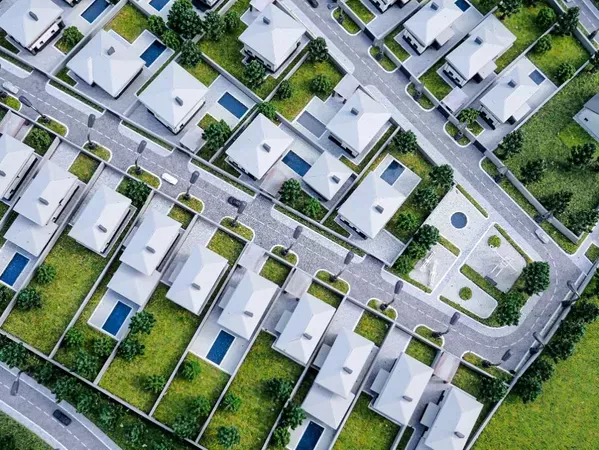
Jaipur’s premium housing segment is witnessing accelerated demand, with the first phase of a luxury residential project along Tonk Road fully sold out within a short launch period. The rapid absorption of around 50-plus units in the initial phase reflects a shifting buyer preference towards low-density, high-value housing in emerging urban corridors.
The development, part of a larger eco-oriented residential project, spans roughly three acres and is designed around limited inventory and expansive open spaces. With approximately 80% of the project area dedicated to green and open landscapes, the design prioritises ventilation, privacy, and reduced congestion—features increasingly valued in post-pandemic housing choices. This surge in Jaipur premium housing demand is being driven by both end-users and long-term investors. Industry observers note that buyers are moving away from high-density apartment formats towards curated residential environments that offer better spatial quality, natural light, and access to landscaped areas. Configurations in such developments typically include larger three- and four-bedroom units, catering to households seeking upgraded living standards rather than speculative investments. Location remains a critical factor behind this momentum. The Tonk Road corridor has evolved into a key growth spine for Jaipur, supported by proximity to the airport, institutional hubs, and improving connectivity. As infrastructure strengthens, peripheral zones are increasingly absorbing demand that was once concentrated in central city areas.
However, the rapid uptake in Jaipur premium housing also raises questions around urban balance. While such developments enhance lifestyle offerings, they cater to a relatively narrow income segment. Urban planners caution that without parallel investments in affordable housing and public infrastructure, this growth pattern could widen socio-economic divides within the city. From a sustainability perspective, the emphasis on low-density planning and green cover reflects an emerging trend in real estate. Developers are increasingly positioning projects around environmental responsiveness—incorporating features such as reduced vehicular movement, landscaped buffers, and energy-conscious design. Yet, experts argue that long-term sustainability depends on deeper integration with city systems, including water management, public transport access, and energy efficiency. Economically, the quick sell-out indicates resilience in Jaipur’s upper housing segment, even as broader real estate demand remains uneven across price categories. Premium developments, particularly those aligned with infrastructure growth corridors, continue to attract buyers seeking long-term value and quality construction.
The project is expected to be completed towards the end of the decade, reflecting typical timelines for large residential developments in the region. This places emphasis on execution efficiency and regulatory oversight to ensure timely delivery and adherence to planning norms. As Jaipur expands, the trajectory of Jaipur premium housing will increasingly shape its urban form. The challenge for policymakers and developers alike will be to balance high-end growth with inclusivity, infrastructure readiness, and environmental sustainability—ensuring that the city’s expansion remains both equitable and resilient.