Indrayani River Turns Toxic as Foam Sparks Public Fury
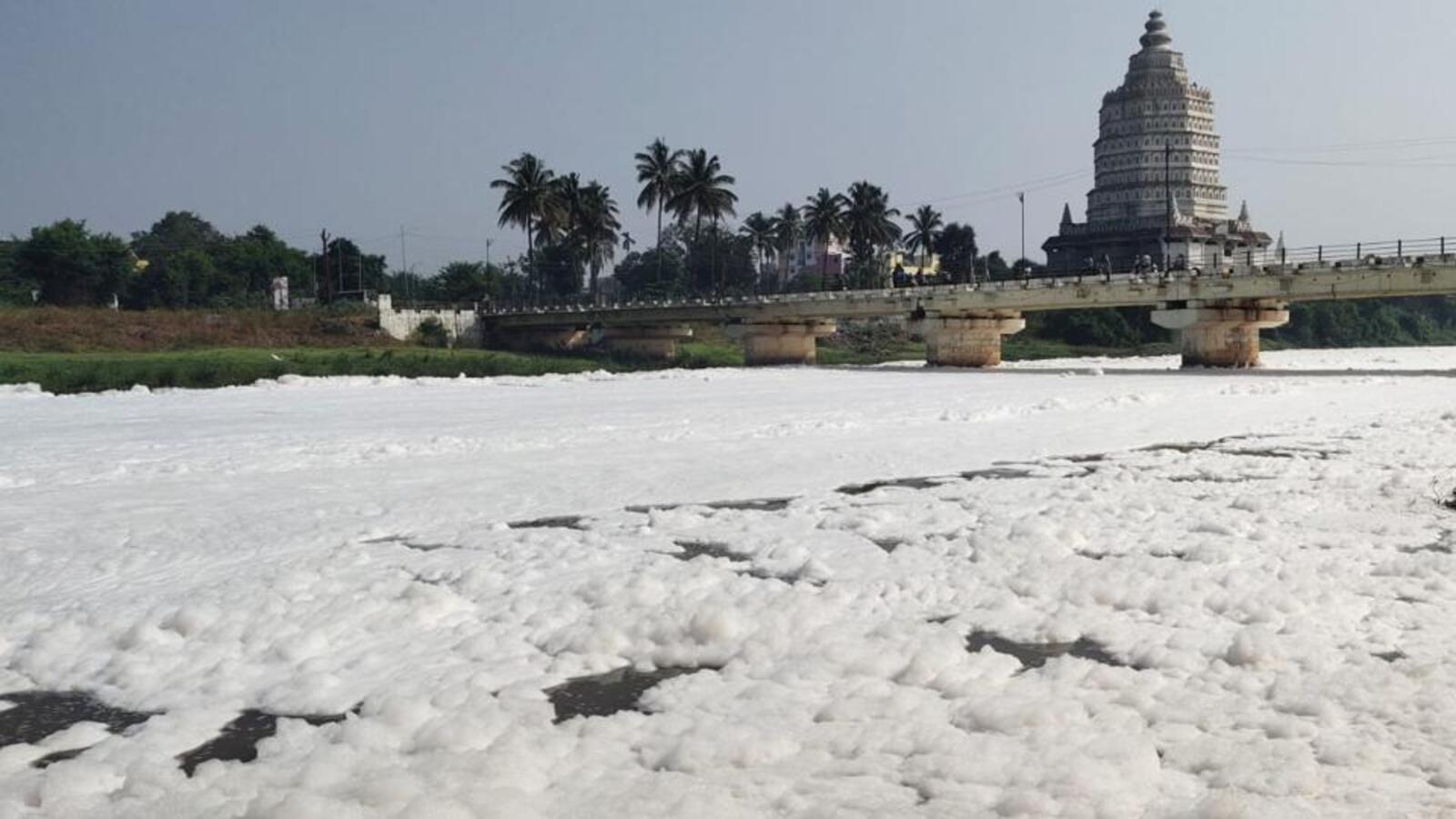
The sacred Indrayani River, revered by lakhs of Warkari devotees, has once again turned into a foaming stream, igniting public outrage and raising urgent concerns over unchecked pollution.
A thick white layer of chemical-laced foam now blankets the river’s surface, drawing comparisons to a frozen glacier rather than a sacred water body. Originating in Lonavala and flowing through Dehu, Talegaon, and Pimpri-Chinchwad, the Indrayani is crucial to both ecology and faith. Every year, thousands of Warkaris immerse themselves in its waters as part of their spiritual journey. But the river is increasingly becoming a health hazard due to rampant discharge of untreated sewage and industrial effluents. Local residents and environmental groups have condemned the inaction of the Pimpri Chinchwad Municipal Corporation (PCMC) and the Maharashtra Pollution Control Board (MPCB), accusing them of turning a blind eye to illegal discharges from factories along the riverbanks. Despite earlier punitive actions against a few industries, pollution levels remain alarmingly high. “It’s more like foam from a detergent factory than a river,” said one local resident, pointing to the white froth spreading across the water. Activists have repeatedly flagged chemical pollution from unauthorised industries operating in the Pimpri-Chinchwad belt, where waste is reportedly being dumped into the river without treatment.
Besides industrial waste, untreated sewage from urban areas continues to flow directly into the river, contaminating water used by nearby communities for daily needs. The health risks are growing, with many residents reporting skin infections and other ailments after coming in contact with the water. Warkari groups say their faith is under siege. The tradition of bathing in Indrayani is not just symbolic but spiritual, and its degradation threatens both health and heritage. “The water that once purified is now toxic,” remarked a Dehu-based devotee. With neither municipal nor environmental regulators taking effective steps, public pressure is mounting for the state government to intervene. Activists are now urging the Maharashtra environmental department to launch a coordinated crackdown on polluting units and establish a robust sewage treatment plan.
As the foam continues to rise, so does the anger of communities along the Indrayani. Their message is clear: save the river, or risk losing a vital lifeline of culture, spirituality, and public health.