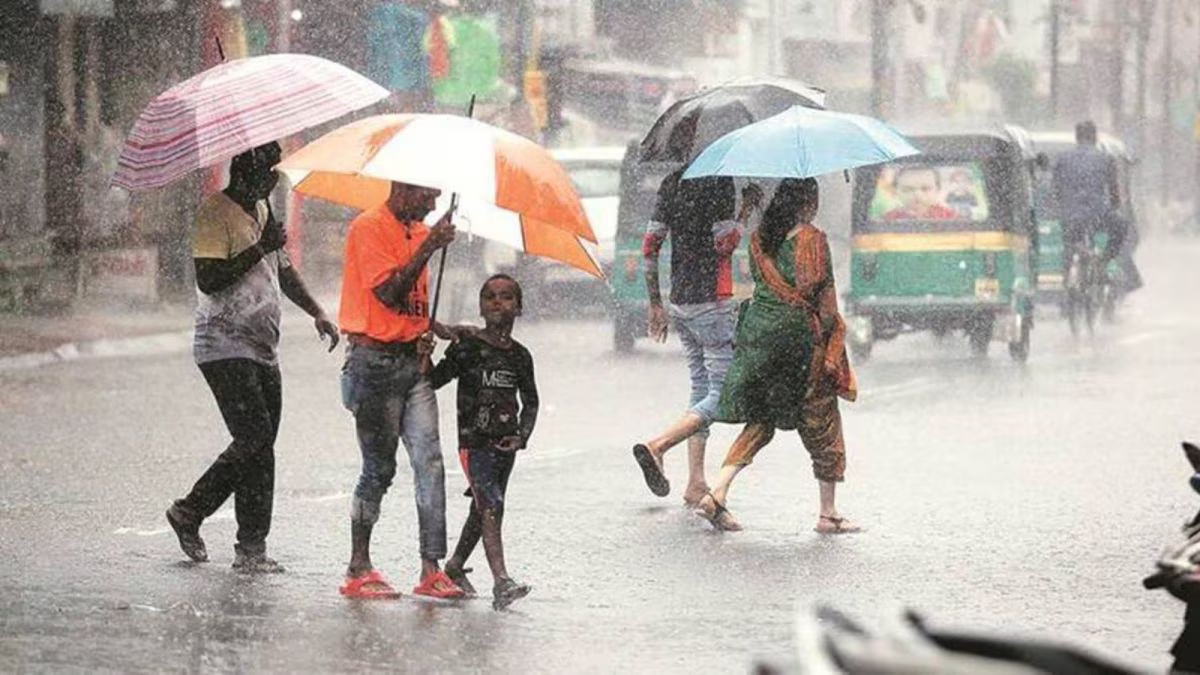
Indore and large parts of western Madhya Pradesh are expected to experience an unusually wet and storm-prone May, offering temporary relief from severe heatwave conditions but also highlighting how climate variability is increasingly reshaping weather patterns across rapidly growing Indian cities. Forecasts issued by the India Meteorological Department (IMD) indicate a rise in rainfall and thunderstorm activity during the first half of the month, potentially limiting the intensity and duration of heatwave spells across the region.
The shift is significant for Indore, where May is traditionally the hottest and driest period of the year, often marked by temperatures above 40 degrees Celsius and prolonged heat stress. Meteorologists say the current pattern is being influenced by western disturbances, moisture incursion and atmospheric instability systems that are generating intermittent rain and gusty winds across central India. Recent weather activity has already altered summer conditions in the city. Indore recorded above-normal rainfall during April, while several districts in Madhya Pradesh experienced thunderstorms and cloud cover that moderated daytime temperatures. Weather officials expect more such activity through early May before conditions gradually stabilise later in the month. The Indore weather shift is being closely watched by urban planners and climate researchers because of its implications for infrastructure resilience, water management and public health. While cooler daytime conditions may reduce immediate heatwave-related health risks, frequent thunderstorms and abrupt weather fluctuations can strain urban drainage systems, disrupt transport networks and increase pressure on civic emergency services.Climate experts note that Indian cities are increasingly experiencing extreme weather swings rather than stable seasonal patterns. In recent years, Indore has alternated between intense dry heat, sudden thunderstorms and unusually warm nights, reflecting broader regional climate instability.
Earlier this summer, the city recorded sharp spikes in temperature followed by abrupt cooling linked to storm systems and cloud activity. The changing conditions also carry economic implications for construction, transport and informal labour sectors. Outdoor workers, delivery personnel and small businesses often depend heavily on predictable summer conditions, and sudden storms can disrupt productivity, mobility and daily income flows across urban and peri-urban areas.Urban climate specialists argue that the Indore weather shift reinforces the need for cities to move beyond conventional seasonal planning models. Drainage systems, public shelters, green cover and emergency response mechanisms increasingly need to account for erratic rainfall, heatwaves and wind events occurring within the same season.The IMD has simultaneously warned that while several regions may witness rainfall relief, parts of India could still face above-normal heatwave days later in May as temperatures rise again after temporary cooling phases. Environmental planners say this dual trend — periods of extreme heat interrupted by heavy rainfall and thunderstorms — is becoming a defining feature of climate change in Indian cities. For rapidly urbanising centres like Indore, the challenge is no longer only managing heat, but adapting to increasingly unpredictable urban weather systems.
The Indore weather shift may offer short-term comfort to residents exhausted by early summer temperatures. Yet experts caution that intermittent rain alone does not reduce long-term climate vulnerability. Instead, they argue, cities must strengthen heat action plans, stormwater systems and climate-sensitive urban design to cope with a future where seasonal extremes are becoming both more frequent and less predictable.