


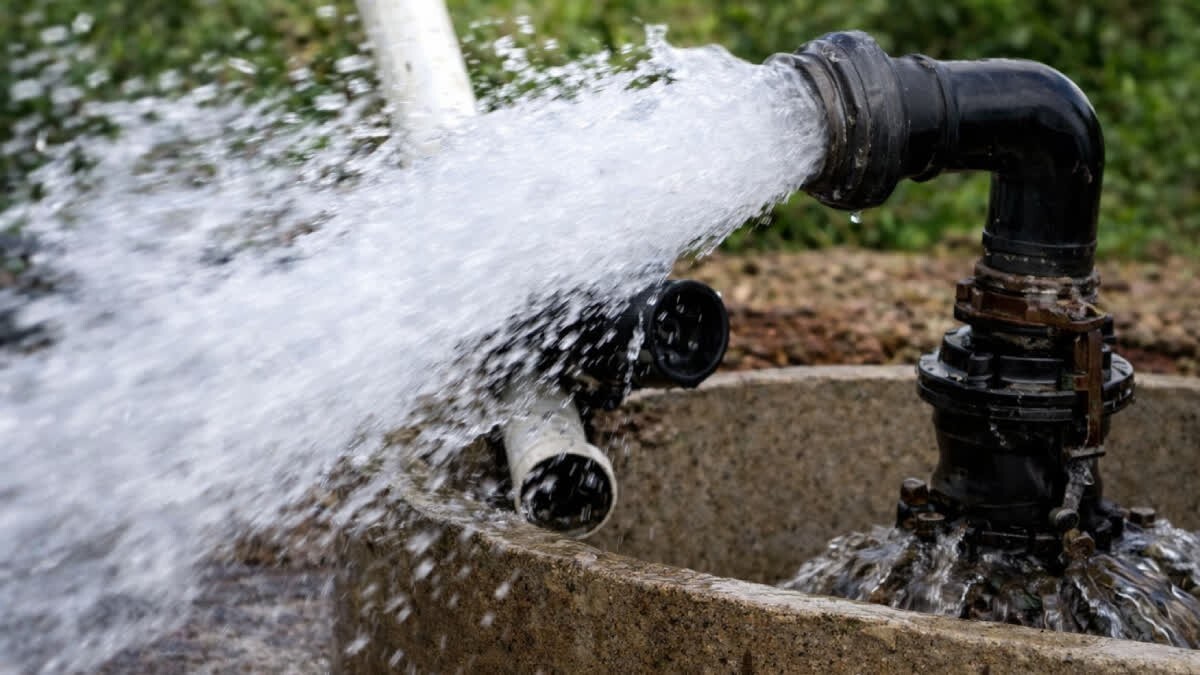
Residents in parts of Indore have reported concerns about water quality after suspected sewage contamination in the municipal supply triggered fears of a potential public health risk. The incident has drawn attention to the challenges of maintaining safe water infrastructure in rapidly expanding urban neighbourhoods. Local households complained about foul-smelling and discoloured water coming from taps, prompting residents to alert municipal authorities and seek immediate inspection of the supply network. Preliminary assessments suggest that sewage may have entered sections of the drinking water pipeline system.
Urban infrastructure experts say such incidents typically occur when drinking water pipelines run close to sewer lines or when underground utilities are damaged during construction activities. In rapidly growing cities, ongoing road works and infrastructure upgrades can sometimes disturb existing pipeline networks if monitoring and protection measures are inadequate. The reports of Indore water contamination have raised concerns among residents who rely heavily on municipal supply for drinking and household use. Contaminated water can carry bacteria and pathogens capable of causing illnesses such as diarrhoea, typhoid and other waterborne infections. Public health officials have advised residents in affected areas to boil water before consumption until water quality testing confirms that the supply is safe. Municipal teams have begun collecting water samples and inspecting nearby sewage infrastructure to identify the source of the contamination. Urban planners say the Indore water contamination issue reflects broader infrastructure challenges faced by cities experiencing rapid population growth and urban expansion. As residential neighbourhoods grow and construction activity intensifies, municipal water and sewer networks often require upgrades to maintain reliability. Indore has witnessed steady urban growth in recent years, with new residential developments and commercial districts expanding across the metropolitan area. This growth has increased demand for reliable utilities including drinking water, drainage systems and sewage treatment facilities. Experts emphasise that water supply networks must be regularly inspected and modernised to prevent contamination risks. Aging pipelines, leakage points and cross-connections between sewer and drinking water lines remain common causes of such incidents in urban areas. Municipal engineers are expected to conduct detailed inspections of underground pipelines in the affected zone. If contamination points are identified, authorities typically undertake flushing of water pipelines, disinfection procedures and repairs to damaged infrastructure. Public health specialists note that maintaining safe drinking water is a fundamental component of urban governance. Reliable water infrastructure protects residents from disease outbreaks and ensures confidence in municipal services.
The Indore water contamination incident also highlights the need for integrated infrastructure planning as cities expand. Coordinated management of water supply, sewage networks and construction projects is essential to prevent damage to underground utilities. Authorities have assured residents that corrective steps are being taken to restore safe water supply in the affected areas. As investigations continue, the incident serves as a reminder of the importance of resilient urban water systems capable of supporting growing city populations.
ALSO READ – Indore Civic Body Clears Road And Toilet Projects
Indore Water Contamination Raises Public Health Concerns
