


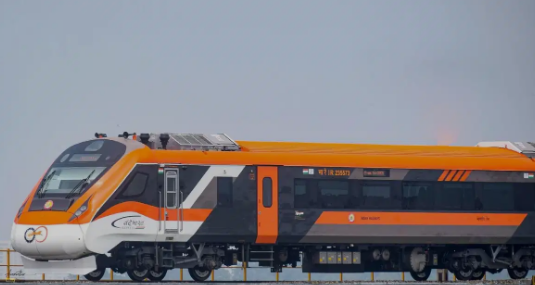
The Indian Railways Budget for the fiscal year 2024-25 reveals a notable shift in focus from serving the common people to catering to the aspirational class. This change is particularly evident in the budget’s emphasis on high-profile initiatives like the Vande Bharat trains, Amrit Bharat trains, and the Vande Metro, which are aimed at providing high-cost, luxury travel experiences.
In contrast to previous priorities centred on affordability and mass transport, the current budget allocation highlights a strategic pivot towards premium services. The Union Minister of Railways has asserted that the budget reflects a record allocation for capital expenditure, with a significant portion dedicated to enhancing safety. “The current budget estimates are a record allocation for railways’ capital expenditure, and the majority will be directed towards safety works,” the Minister claimed. Nevertheless, implementing these safety measures poses considerable challenges. For instance, the Kavach 4.0 system, an Automatic Train Protection system already approved, faces complex integration issues. The Minister acknowledged that “Kavach consists of multiple components like hardware, software, and optical fibre,” making its deployment across India’s diverse railway network a formidable task.
The budget for FY 2024-25 anticipates an operating ratio of 98.22%, a marginal increase from the previous year’s 98.10%. This indicates that the Railways will need to expend Rs98.22 to generate Rs100 in revenue, reflecting a troubling trend of rising operational costs. Critics argue that the current budget fails to address crucial aspects of railway operations, such as passenger safety, amenities, and comfort. The allocation appears skewed towards serving high-end passengers rather than addressing the needs of the common traveller. The central support is mainly allocated for reimbursing losses on strategic lines and servicing debt, rather than improving public services.
Officials have voiced concerns about the budget’s effectiveness, describing it as weak and lacking direction. They highlight ongoing issues such as frequent railway accidents, service interruptions, and reduced coach availability, which remain unaddressed in the budget. This critique suggests a growing disconnect between policy priorities and the practical needs of the railways’ vast passenger base.
