


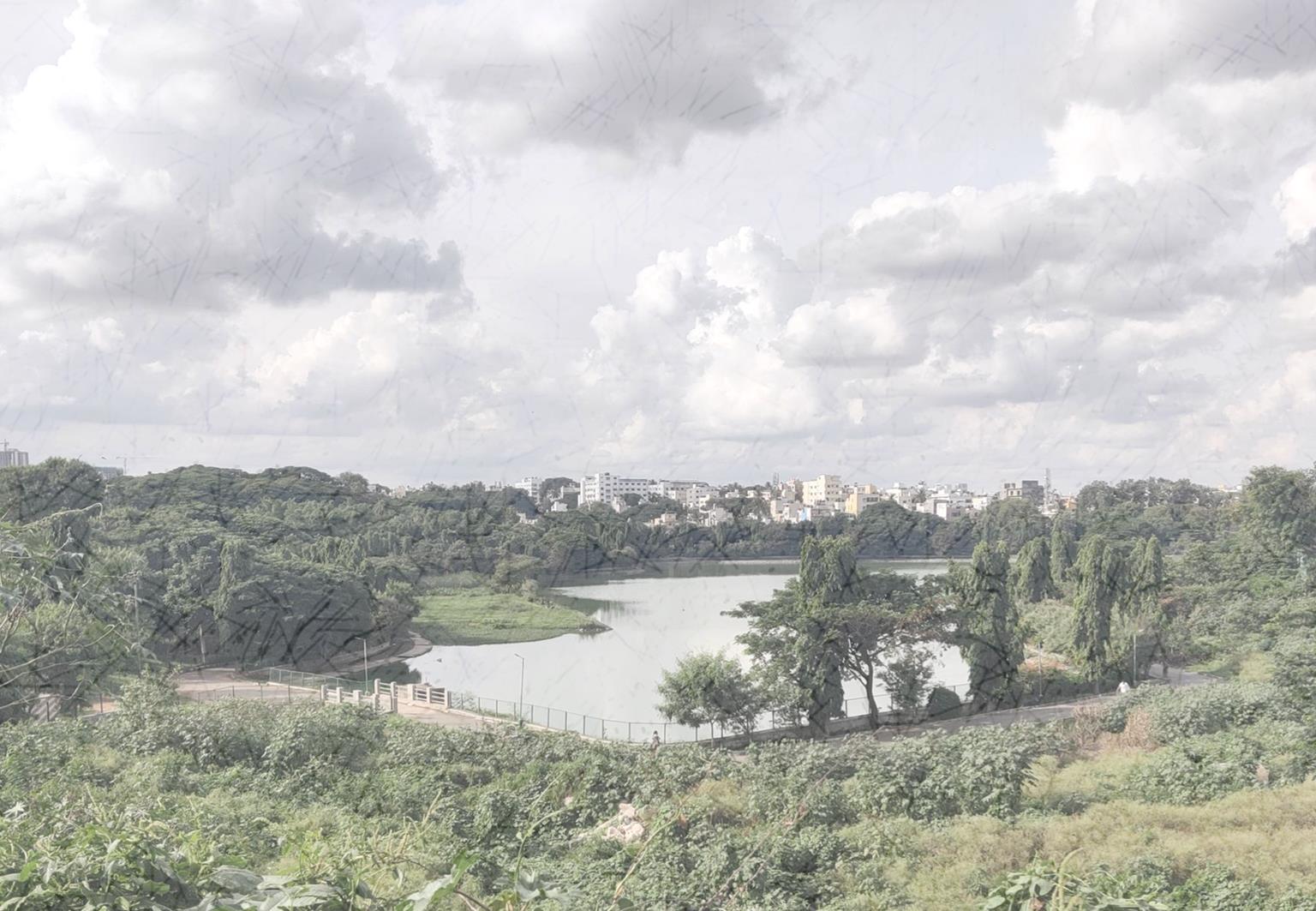
As climate hazards intensify across India, a quiet yet impactful transformation is emerging in how cities are planned and built.
A growing number of Indian urban centres are now turning to blue-green infrastructure — a nature-led strategy that reimagines urban development through the integration of natural water bodies and green landscapes.The model, which has seen adoption in global cities like Rotterdam, Singapore and Copenhagen, marries two critical elements: blue, encompassing rivers, lakes, wetlands and drainage systems, and green, including parks, urban forests, gardens and green roofs. Together, these systems offer a powerful alternative to conventional concrete-heavy infrastructure by mimicking natural ecosystems to manage water, reduce pollution, improve air quality and provide social equity.
In India, where 70 per cent of urban waterbodies have disappeared over the last five decades and nearly 25 Indian cities are projected to face acute water stress by 2030, blue-green planning is no longer a choice—it is an urgent necessity. Cities like Hyderabad and Chennai have begun integrating stormwater management with green corridors, while Pune has initiated projects linking rivers with biodiversity parks. These early efforts, though limited in scale, are laying the groundwork for a radical shift in urban resilience strategies.Beyond environmental protection, blue-green infrastructure is a powerful equaliser. In dense Indian cities where marginalised communities often live in flood-prone or heat-vulnerable zones, nature-based infrastructure provides a lifeline.
Well-maintained parks reduce urban heat islands, shaded walkways improve mobility, and restored wetlands protect settlements from seasonal flooding—all while enhancing access to green and public spaces.Urban policy circles have begun to take note. India’s National Mission on Sustainable Habitat encourages such integrated approaches, and select Smart Cities have piloted lake rejuvenation and green buffer projects. Yet, mainstreaming this model requires robust institutional frameworks, cross-departmental coordination, and financing models tailored for climate-positive investments.The economic case is equally compelling. A well-executed blue-green project delivers co-benefits: lower healthcare costs, improved labour productivity, tourism potential, and long-term cost savings in infrastructure maintenance.
The World Bank and Asian Development Bank have already identified blue-green capital investment as a key priority in South Asia’s climate adaptation roadmap.
For Indian cities standing at the crossroads of climate vulnerability and urban expansion, blue-green infrastructure offers a bridge to a future that is not only environmentally secure but also socially inclusive and economically vibrant. It is a future where streets are cooler, water is cleaner, air is fresher, and public spaces are accessible for all.As this model gains ground, its success will depend on strong political will, participatory planning, and a decisive move away from concrete-first urbanism. If scaled right, blue-green infrastructure could mark the turning point for Indian cities, anchoring them in ecological harmony while safeguarding livelihoods and lives.
Also Read : India Builds Safer Greener Cities Through Smart Urban Planning and Cleaner Infrastructure
Indian Cities Turn to Blue Green Planning
