


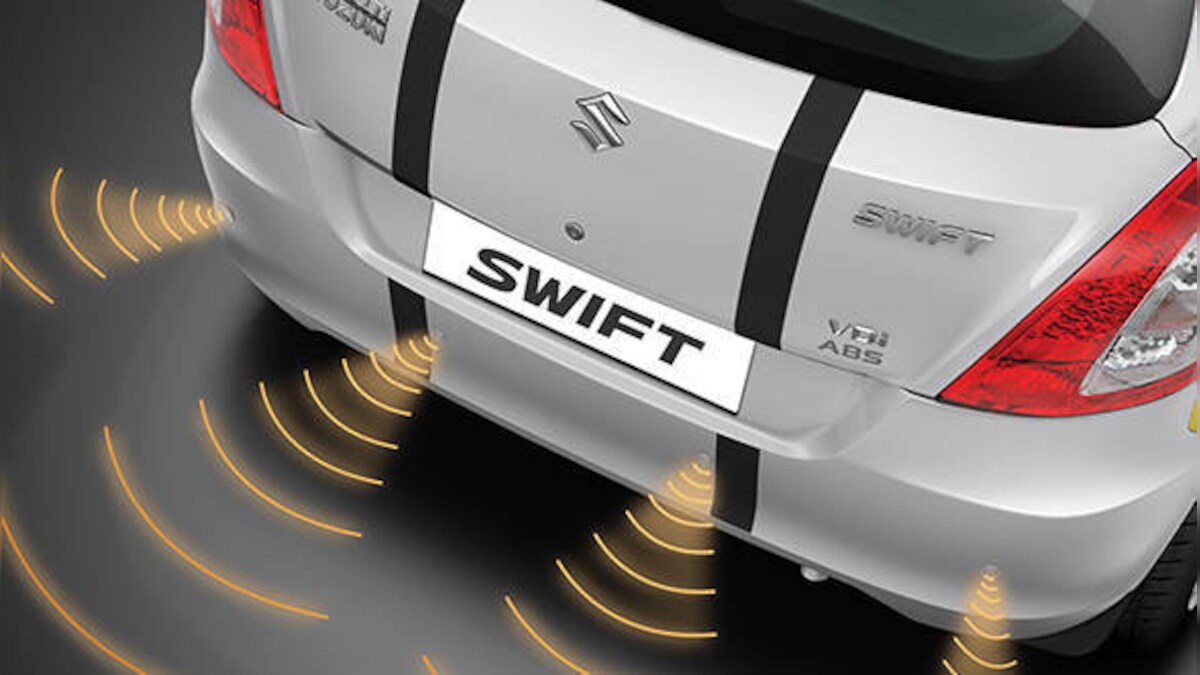
The Ministry of Road Transport and Highways (MoRTH) is preparing to make rear parking sensors compulsory in all passenger vehicles sold across India.
The mandate, expected to be formalised soon through a government notification, aims to standardise rear visibility aids in all car variants, including the most basic trims. The upcoming rule is rooted in road safety studies that have consistently flagged the limitations of existing rearview mirrors in detecting smaller obstacles or individuals directly behind a vehicle. Internal Rear View Mirrors (IRVMs) and Outside Rear View Mirrors (ORVMs), while useful for overall visibility, often fall short in helping drivers spot low-lying objects or children who are not visible in the mirror’s field. The government believes that incorporating rear sensors will significantly reduce fatal accidents during reversing manoeuvres—particularly in densely populated urban areas where space constraints often force drivers into tight parking and turning situations.
Automobile safety experts have long advocated for the widespread adoption of reverse assist technologies in Indian cars. Many premium models already offer these features, but the new regulation will democratise access by requiring manufacturers to install rear parking sensors as a standard offering. This aligns with India’s broader road safety ambitions, underpinned by the commitment to halve road accident deaths by the end of this decade as part of its Vision Zero plan. Road safety has emerged as a pressing public health issue in India. According to the latest National Crime Records Bureau (NCRB) data, over 1.5 lakh fatalities were recorded due to road accidents in a single year—many involving two-wheelers, pedestrians, and children. Alarmingly, a significant share of urban mishaps are linked to reversing vehicles in residential zones, school areas, and narrow by-lanes, where small children become invisible due to blind spots.
MoRTH’s move also coincides with a parallel initiative to enforce mandatory speed alert systems in all new cars. These dual interventions—the rear parking sensors and speed warning beepers—form part of a multi-pronged strategy to improve vehicular safety by combining passive and active safety features. The focus is shifting beyond airbags and crash safety ratings to include accident-prevention technologies as integral to India’s mobility future. Industry stakeholders are expected to receive an implementation timeline shortly. While the government has yet to confirm the effective date, automakers are likely to be given a window to comply through phased production adjustments. Several Original Equipment Manufacturers (OEMs) have already begun redesigning their entry-level models to include basic sensor-based warning systems without major cost hikes. Analysts anticipate a marginal price adjustment, which, according to them, is a small trade-off for saving lives.
In the long term, this move could set a precedent for adopting more intelligent safety technologies, including 360-degree cameras and AI-assisted parking aids. As India pushes for more inclusive and sustainable mobility, such reforms serve the dual purpose of protecting vulnerable road users and fostering equitable access to modern vehicle safety.
Also read :Mumbai to get new link road for faster east west travel soon
