


Hyderabad’s water utility has received more than 250 complaints in four weeks through its PAANI app, with about 75 alleging that residents used drinking water or groundwater to mop homes and clean surrounding areas, according to data reportedly accessed by The Times of India.
The complaints have prompted the Hyderabad Metropolitan Water Supply and Sewerage Board (HMWSSB) to physically verify reports and impose penalties ranging from Rs 1,000 to Rs 20,000. Officials said most of the mopping-related complaints came from residential neighbourhoods in Jubilee Hills and Banjara Hills. Kukatpally, Khairatabad and Mehdipatnam have also reported cases.
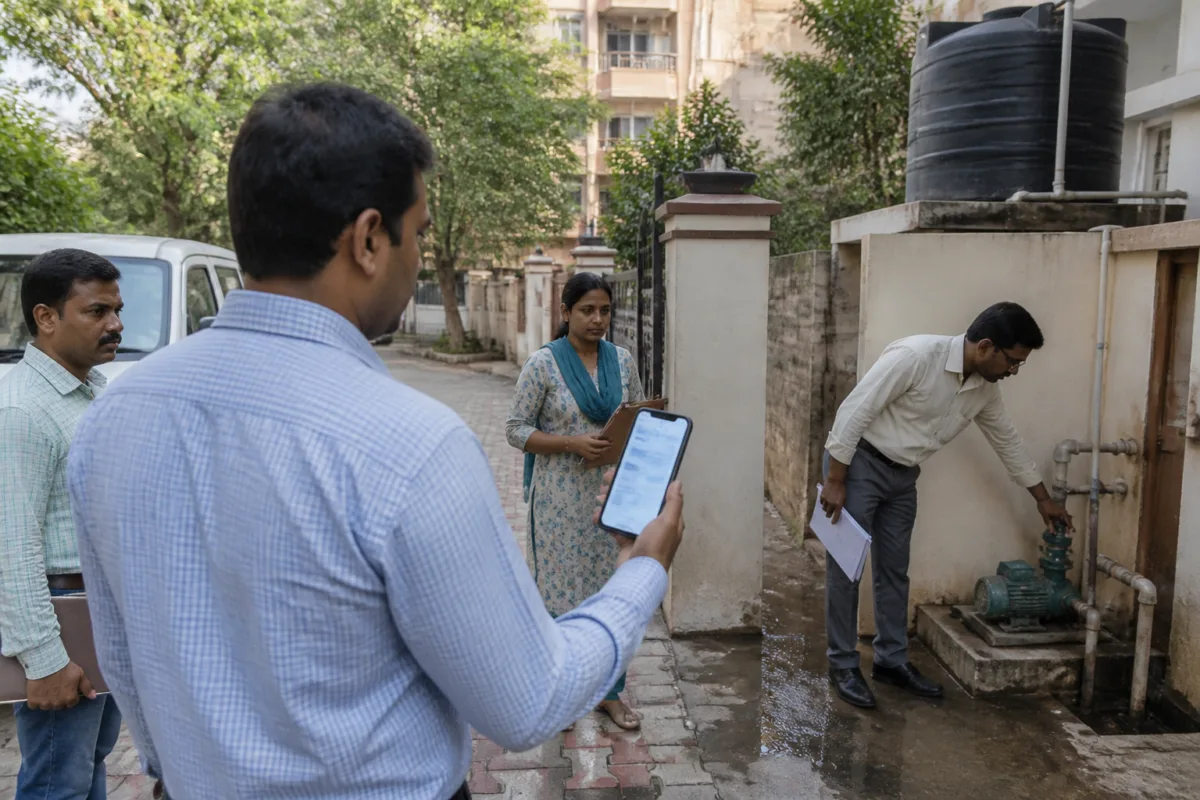
The enforcement process begins with a field visit. HMWSSB teams show the consumer the photographs or videos uploaded through the app and serve a notice. If the penalty is not paid, the amount is added to the consumer’s water bill, according to a senior official from the board’s revenue wing cited in the report.
Field teams found that some residents were using pressure motors connected to drinking-water lines to wash floors, driveways and areas around their properties. The official said the practice was particularly common in the morning. The report does not quantify the volume of water involved in individual incidents, but the complaint pattern indicates that domestic cleaning is a significant focus of the board’s current monitoring effort.
Mopping is one of several categories being tracked through PAANI. About 60 complaints relate to leakages and around 31 concern the washing of streets with drinking water. The app also covers illegal use of motors, overflowing overhead tanks and sumps, and the use of drinking water for construction and gardening.
HMWSSB has recorded more than 1,000 downloads and around 700 active users, with officials describing the platform as an increasingly effective citizen-led monitoring tool. The model shifts part of the detection process from routine inspections to public reporting, while retaining physical verification by the utility before penalties are imposed.
The board has also said that it has penalised around 1,700 residents since the beginning of the year and collected nearly Rs 50 lakh in cumulative fines for water wastage. These figures, as reported, indicate that the enforcement programme extends beyond the latest four-week complaint period. They do not establish how much water has been saved or whether penalties have reduced repeat violations.
HMWSSB is urging households and commercial establishments to reserve drinking water for drinking and cooking. It has advised residents to use treated water from sewage treatment plants for cleaning floors, washing vehicles, gardening and construction.
The enforcement approach therefore combines three elements: citizen reporting, on-site verification and recovery through water bills. Its effectiveness will depend on the accuracy of submitted evidence, consistent treatment of complaints across neighbourhoods and the availability of treated alternative water for non-potable uses. The material available in the report confirms the scale of complaints and penalties, but leaves those longer-term implementation questions unresolved.

