


Hyderabad police are investigating a series of recent murders involving knives, sickles and other weapons, but senior officials have found no verified evidence so far that the cases are connected or part of a single organised murder network.
The latest reported killing took place on Monday at a wine shop permit room in Bandlaguda, Nagole, where rowdy-sheeter Mohd Nayeem was allegedly hacked to death. Police suspect previous enmity with a childhood friend as the primary motive. CCTV footage reportedly captured the attackers following and chasing Nayeem before assaulting him with knives and sickles.
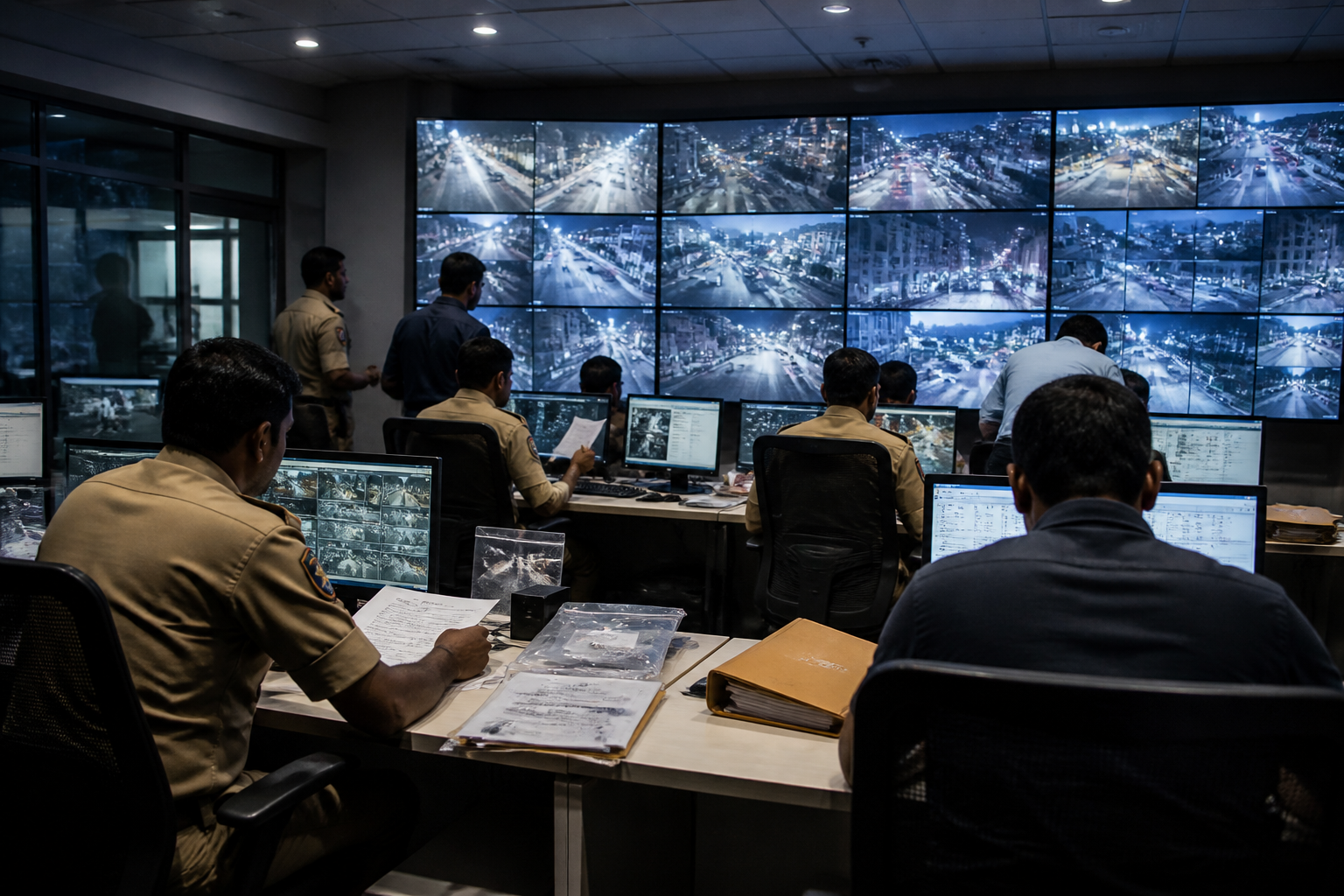
Investigators are treating the case as a targeted attack rather than a random killing. The use of surveillance footage is central to the inquiry, with police examining the movements of the attackers before and after the assault to identify those involved and reconstruct the sequence of events.
In a separate case, Rajshekhar, a cab driver from Begumpet, was allegedly murdered after a four-member gang from Maharashtra booked his vehicle while posing as passengers. Police said the suspects took control of the cab and allegedly intended to steal it. Rajshekhar’s body was later found near Rudraram in Patancheru.
The reported incidents also include the killing of Mohd Mehboob Ali, an AIMIM functionary, in Vattepally. Police have arrested seven people, including a juvenile, in connection with that case and have reported a breakthrough in the investigation.
Another case under investigation involves the alleged rape and murder of a 21-year-old nurse at Tukkuguda. Forensic testing reportedly linked Md Sanaullah to the crime. The case remains among the recent violent incidents drawing attention to the use of forensic evidence in identifying suspects and establishing their alleged involvement.
According to police, the cases appear to involve separate motives, including personal rivalry and vehicle theft. Officials have said that most of the victims were allegedly followed or specifically targeted before the attacks, rather than being killed in random incidents. That distinction is shaping how investigators are examining the cases and assessing possible links.
Police are relying on CCTV recordings and forensic material to identify suspects, establish movements and connect evidence to individual cases. The investigations have not established a common operational pattern or a single group behind the killings, according to the senior officials cited in the report.
The immediate next steps are expected to include further examination of surveillance footage, forensic findings and the statements of suspects and witnesses as investigators proceed separately with each case.
