


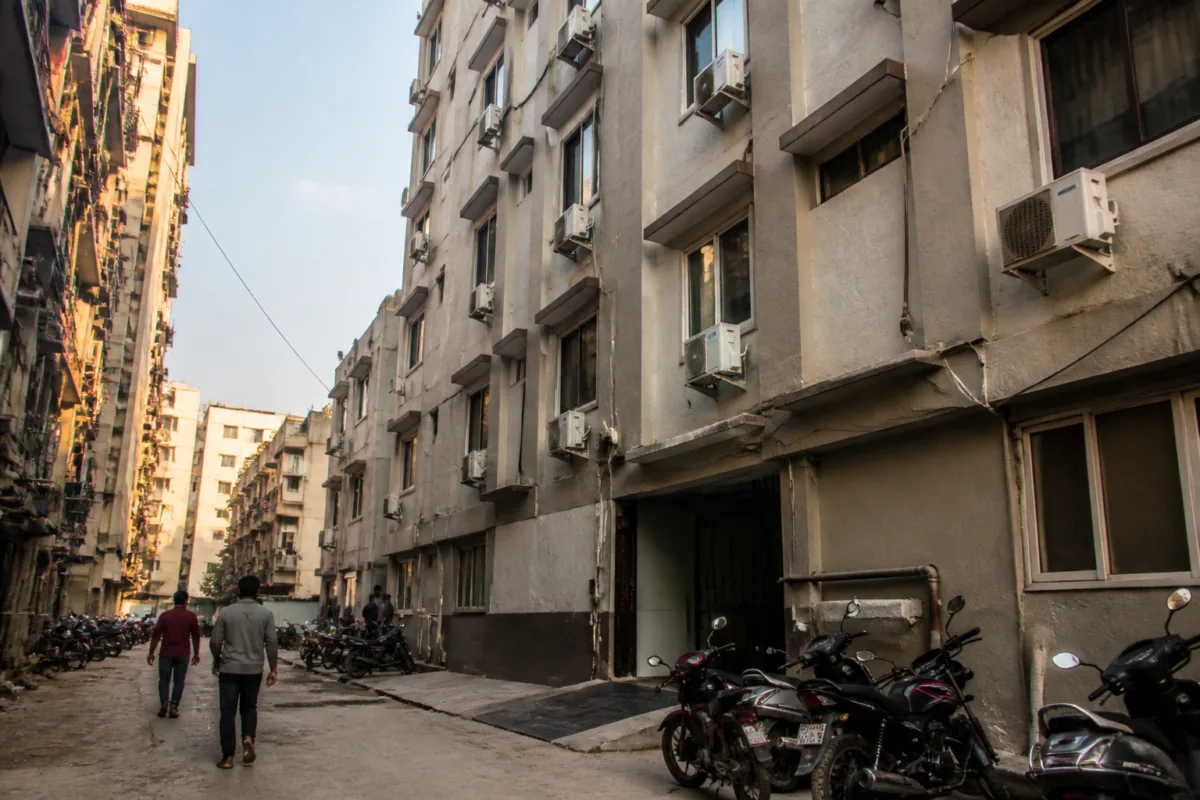
Several private hostels in Hyderabad and Cyberabad reportedly continue to operate from buildings with cramped rooms, poor ventilation and narrow escape routes, despite a warning from the Hyderabad Disaster Response and Asset Protection Agency (HYDRAA) to relocate from unsafe premises within three months.
Telangana Today reported that HYDRAA Commissioner AV Ranganath directed hostel operators to shift to structurally sound buildings and implement mandatory safety measures after the collapse of an illegally constructed seven-storey building intended for hostel use in Anjaiah Nagar, Gachibowli. Two workers were killed in the collapse in August, according to the report.
Ranganath also warned that inspections would begin on January 1 and that buildings considered at risk of collapse could be demolished. However, operators in Anjaiah Nagar told the publication that they were reluctant to vacate leased premises, having paid lakhs of rupees for leases lasting between one and three years.
The operators reportedly said that complying with the warning could force hostels across Hyderabad and Cyberabad to shut because many facilities do not meet basic safety requirements. The report describes a large hostel network serving new IT professionals, trainees, private-sector employees and housekeeping staff. It says a few thousand hostels provide accommodation, food and, in some women’s hostels, separate kitchens.
The reported conditions include rooms shared by two to four occupants, undersized lifts, narrow staircases and limited emergency escape options. Residents quoted in the report said some rooms had choked vents and inadequate ventilation, while rents remained comparatively affordable despite the small living spaces.
Some occupants also alleged that hostel managements were benefiting financially while operating without adequate safety measures. These claims were presented as resident allegations and were not independently substantiated in the report.
The issue places Hyderabad’s expanding private rental-hostel market against the need for enforceable building safety standards. For students and young workers who depend on relatively affordable accommodation near employment and training hubs, relocation could affect rents, commuting distances and access to basic services. At the same time, continued occupation of structurally risky or poorly ventilated buildings leaves residents dependent on operators to provide safe exits and emergency protections.
HYDRAA’s proposed inspections and possible demolitions indicate that the agency intends to move beyond warnings, but the report does not establish how many hostels have been inspected, how many have been found unsafe or what enforcement action has already been taken. Those details will determine whether the three-month relocation direction produces measurable improvements or remains largely advisory.

