


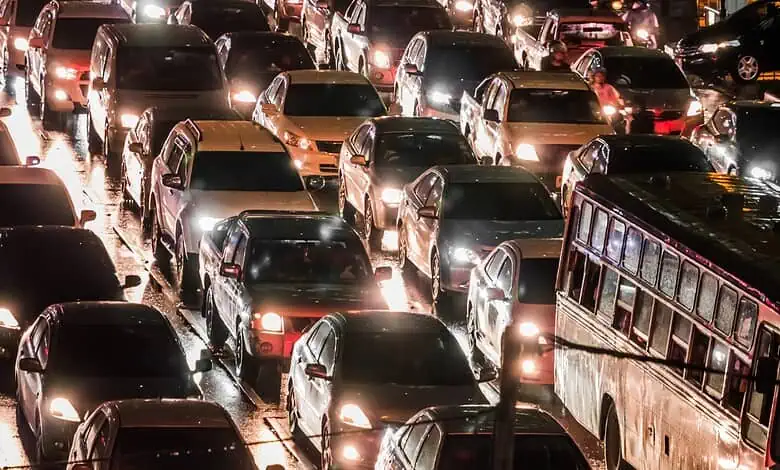
Hyderabad will see extensive traffic restrictions around Abids on September 4 as devotees gather for Janmashtami celebrations at the ISKCON Temple. The arrangements, running from early morning until after midnight, are expected to affect commuters, public transport and local businesses across central Hyderabad. The scale of the diversion plan highlights the challenge of managing large religious gatherings in a dense urban district without disrupting everyday mobility.
The restrictions will cover several important roads, including Yousuf & Company, Jawaharlal Nehru Road, Abids Circle, Chirag Ali Lane and Nampally Station Road. Traffic officials have indicated that controls could be tightened if pedestrian and vehicle volumes rise sharply during the event. For motorists, the impact is likely to extend beyond the immediate temple area. Traffic approaching GPO Junction from Gunfoundry and Tilak Road Junction may face regulated movement, while vehicles could be redirected towards MJ Market when congestion increases. Similar controls are planned for traffic approaching from Jambagh Road and SA Bazar Mosque. The Hyderabad traffic diversions also underline the importance of managing pedestrian-heavy events in established commercial districts. Abids and surrounding areas combine retail activity, offices, public transport routes and major road connections. Sudden changes in traffic circulation can therefore affect workers, shoppers, residents and emergency movement well beyond the event venue.
Public transport will also be adjusted. RTC buses approaching MJ Market, BJR Circle and nearby junctions will face route changes depending on crowd conditions. Some services will be redirected towards Gandhi Bhavan Road, Nampally Station Road or other connecting roads rather than continuing towards Abids and GPO Junction. Parking has been designated at the Exhibition Grounds in Nampally for devotees. Directing visitors towards organised parking can help reduce roadside vehicle accumulation, particularly in an area where road space is already limited. However, the effectiveness of such measures will depend on clear pedestrian access and timely traffic management.
From a wider urban planning perspective, the Hyderabad traffic diversions demonstrate how temporary public events can expose pressure points within the city’s transport network. Central Hyderabad has limited scope for expanding road capacity, making traffic management, public transport coordination and safe walking routes increasingly important. For commuters, avoiding the affected corridors during peak gathering periods may be the most practical option. Longer-term planning for large public events could also benefit from integrated transport information, pedestrian-first access and stronger coordination between event organisers, traffic authorities and public transport agencies.
Read More: Hyderabad KBR Park Flyover Gets Utility Work Review
Hyderabad Faces Traffic Curbs For Janmashtami
