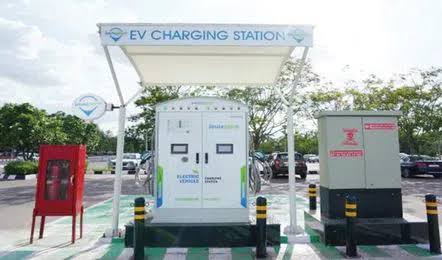
Hyderabad EV Charging Network Expands Across Bus Depots
Hyderabad’s public transport network is preparing for a larger electric-bus fleet, with charging infrastructure planned at the Ibrahimpatnam and Midhani bus depots. The move could expand zero-tailpipe-emission bus operations beyond existing electric-bus hubs while strengthening public transport links between suburban areas and major employment districts.
The Hyderabad EV charging network currently supports a fleet of about 458 electric buses out of nearly 3,200 buses operating across the Greater Hyderabad region. Existing electric buses are deployed from several depots, including Hayathnagar-2, HCU, Miyapur-2, Kukatpally, Cantonment and Ranigunj. The selection of Ibrahimpatnam and Midhani is significant because depot-based charging can allow electric buses to operate reliably on scheduled routes without depending entirely on public charging infrastructure. Both locations can also support connections between Hyderabad’s suburban areas and employment centres, including the city’s IT corridor. Setting up depot charging, however, involves considerably more than installing charging equipment. The transport corporation has initiated arrangements for the electricity infrastructure required to power the facilities, including high-voltage connections, transformers and substations. Payments have reportedly been made to electricity distribution authorities towards the necessary power-related works.
The Hyderabad EV charging network will need sufficient electrical capacity as the number of electric buses increases. Large fleets can place substantial demands on local distribution systems, particularly when multiple buses need to recharge within limited windows between scheduled services. Careful load planning and reliable electricity supply will therefore be important to prevent charging constraints from affecting bus operations. A further charging facility is expected to be taken up at Dilsukhnagar, indicating that electrification is gradually moving from individual depots towards a broader operational network. More strategically distributed charging points could allow the transport system to introduce electric buses across a wider range of routes. The transition also has implications for Hyderabad’s urban environment. Replacing diesel buses with electric models can reduce tailpipe emissions and local air pollutants along heavily travelled corridors. The overall climate benefit, however, will also depend on the electricity mix used to charge the fleet, vehicle utilisation and the efficiency of the wider public transport system.
For commuters, the value of electrification will extend beyond cleaner buses. Electric public transport can contribute to a quieter and more comfortable street environment, while reliable bus services can reduce dependence on private vehicles as the city expands. The immediate focus is completing the electrical infrastructure at the two depots, with the facilities expected to become operational over the coming months. The longer-term test will be whether charging capacity expands at a pace that matches fleet growth and whether electric buses are deployed where they can deliver the greatest mobility and environmental benefits.
Hyderabad EV Charging Network Expands Across Bus Depots