


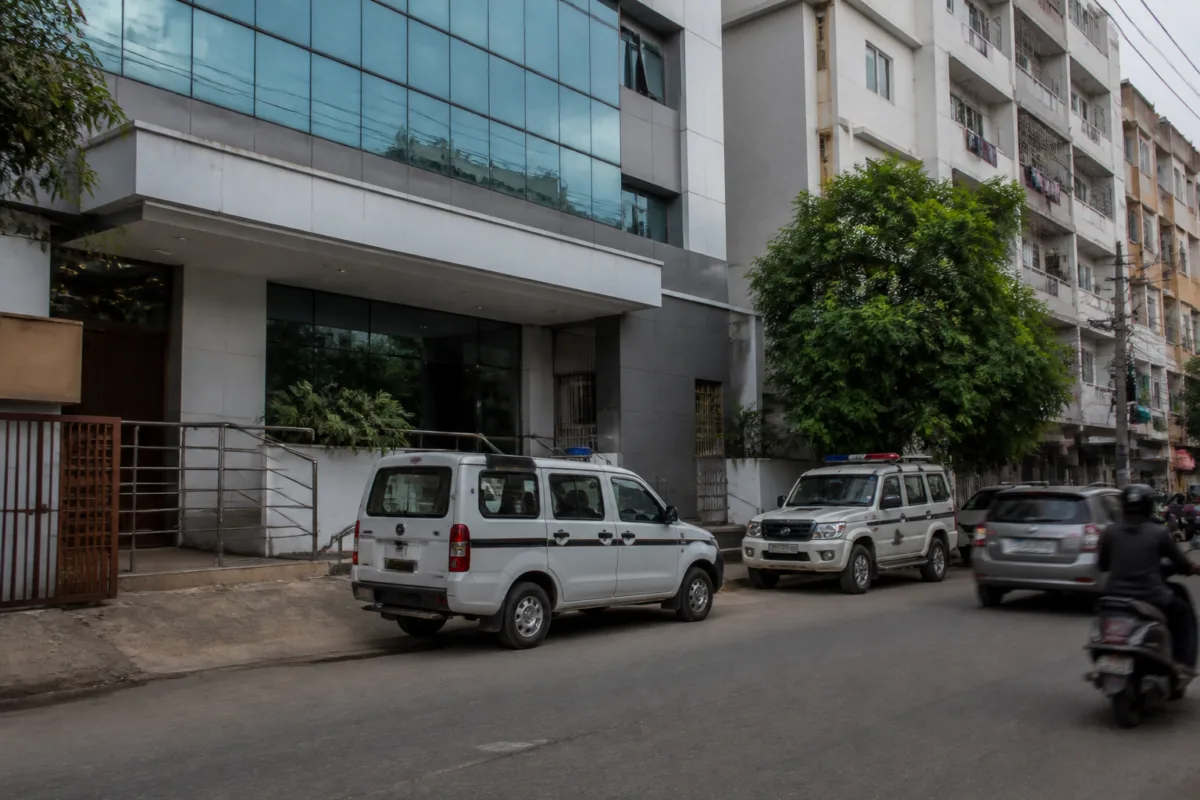
The Hyderabad egg donation racket investigation has widened after police identified four prominent fertility-centre groups whose alleged links to the network are being examined. Nine people were apprehended during raids at four locations, while 43 women recruited from West Bengal, Uttar Pradesh, Maharashtra and other states were rescued, according to the report.
Malkajgiri police intervened before the suspected operation could proceed to oocyte retrieval and supply to fertility centres. Cases registered by Begumpet and Saroornagar police have brought the four centre groups, including organisations with multiple branches in Hyderabad and elsewhere in Telangana, under scrutiny. Investigators are examining whether they were involved in arranging the supply of retrieved eggs.
The raids covered premises in Prakashnagar, Begumpet, Erragadda, Saroornagar and Gopalapuram. The nine accused were sent to judicial remand. The report does not establish that the fertility-centre groups were responsible for the alleged activities, and their role remains part of the police investigation.
Police suspect that women were recruited from different states and taken through a sequence of reproductive procedures. According to information cited in the report, the process allegedly included fertility screening, hormone injections to synchronise menstrual cycles and medication to stimulate the ovaries to produce multiple eggs.
Investigators are also examining an allegation that, in some cases, women were subjected to insemination to assess whether conception could occur, followed by an abortion before egg retrieval. Police reportedly intervened while the operation was still at the assessment stage, before the suspected retrieval and supply process was completed. These allegations remain subject to investigation and judicial proceedings.
The reported process was designed to coordinate the menstrual cycles of several women so that procedures could be conducted around the same time. A source cited in the report said this may have reduced expenditure on repeated laboratory tests and medical procedures. The account indicates that the suspected network involved several stages, from recruitment and medical screening to hormonal stimulation, egg assessment and possible transfer to service providers.
The financial trail is now a central focus of the investigation. Police are examining transactions involving rescued women and recruitment agents, including the reasons for payments, the identity of those who made them and whether commissions passed through intermediaries. Transactions between organisers, agents and suspected service providers are also being traced.
The case places attention on the oversight of assisted reproductive services, particularly where recruitment agents operate across state borders and women are brought to facilities in urban areas. The presence of multiple locations and alleged links to fertility-centre groups means investigators are examining not only the conduct of individuals but also how the suspected recruitment and payment chain functioned.
The report identifies the sequence under investigation as screening, cycle synchronisation, ovarian stimulation, egg assessment, alleged conception assessment, possible abortion, retrieval and supply. Police action stopped the operation before the reported final stages of retrieval and distribution. The next steps will depend on the financial evidence, statements from the rescued women and the investigation into the role of the fertility-centre groups.

