


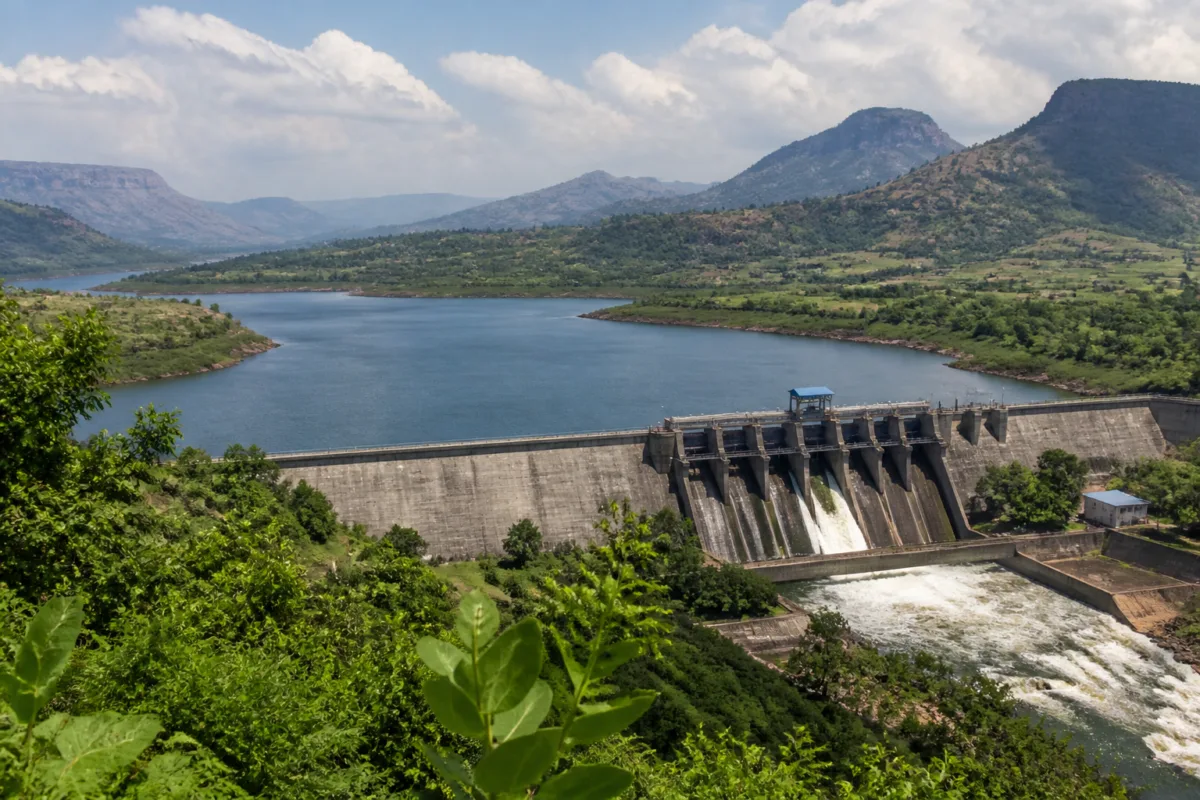
Gunjavani dam in Pune district held 3.20 TMC of water, or 86.66% of its storage capacity, on November 25, according to a report by Pudhari. The reservoir is supplying drinking water to residents in Rajgad, Bhor and Purandar talukas, while supporting agriculture and fruit orchards.
The dam, located at Dhanep near the foothills of Torna fort, has a total storage capacity of 3.69 TMC. More than 50,000 residents are reported to benefit from its water, along with hundreds of hectares of farmland and horticultural land. The report said that more than half of the cultivated area in the dam’s command region had remained viable despite dry conditions.
Water is currently being released at 250 cusecs through the hydropower project’s outlet for the rabi irrigation cycle. The release is helping replenish more than 25 small and large check dams and other water bodies along the Kanandi and Gunjavani river channels. It is also supplying Veer dam in Purandar taluka. Power generation is continuing from the released water.
Nayan Girme, branch engineer of the Gunjavani dam project, told Pudhari that the release was being made on the orders of the canal advisory committee. He said the water was reaching Veer dam and helping fill river check dams and lakes, supporting drinking-water needs, farming and fruit cultivation in Bhor, Rajgad and Purandar.
The reservoir administration is also planning to conserve water for the next dry period. According to the report, drinking water is being reserved in the dam to meet the needs of more than 100 villages across the three talukas until August 2027, when the next monsoon is expected to replenish supplies. The report attributed the need for conservation planning to the early end of the monsoon and said 1,989 millimetres of rainfall was recorded at the dam site during this year’s monsoon.
The figures underline the role of Gunjavani dam as a linked drinking-water, irrigation and local water-storage system. Its current management involves balancing rabi releases, hydropower generation, replenishment of downstream structures and the need to retain supplies for villages until the following monsoon.

