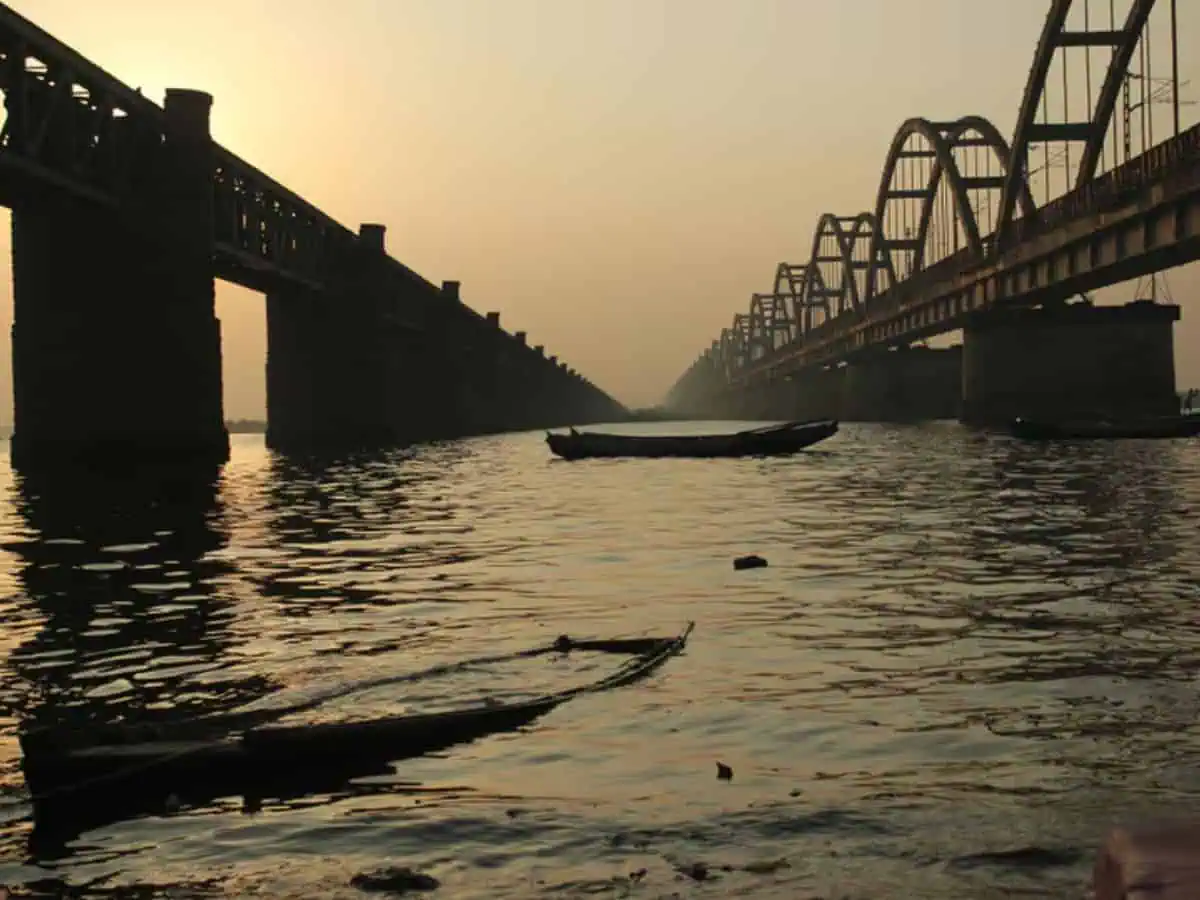
A growing water-sharing crisis has re-emerged between two southern states, as serious objections have been raised over a high-stakes ₹80,000 crore river-linking initiative that is allegedly being executed without inter-state consultation or regulatory approvals.
The proposed project seeks to divert 200 tmc ft of water from the Godavari basin, beginning at a major dam site and passing through a new reservoir before reaching a southern plateau region. While one state is reportedly pushing forward with the project, the other has strongly objected to what it calls a gross violation of riparian rights and a dangerous precedent for inter-state water governance.The controversy surfaced during a key meeting of the river management board responsible for overseeing equitable and sustainable allocation of the Godavari’s waters. Officials from the aggrieved state have accused the board of failing to maintain transparency and for allegedly concealing critical information regarding the scope and timeline of the proposed water diversion plan. According to them, the ministry had already flagged this project to the board in late 2024, treating it as a high-priority reference. However, no details were shared with other riparian stakeholders, despite the large-scale implications of the project on downstream water access and ecological balance.
The project, which aims to reroute water from one major basin to another, is being undertaken without a detailed project report, and without clearances from either the board or the central water regulatory authorities. Officials fear that such an extensive diversion will disrupt the natural flow of the river, especially in peak summer months, and may lead to a cascade of water shortages across farming districts, water supply zones, and ecologically sensitive areas. The state opposing the project has made a strong case that such unilateral action violates the water tribunal’s binding allocation orders and undermines the principle of cooperative federalism that underpins India’s river management frameworks. The scale of the alleged deviation from protocol is not the only concern. The complaint also includes allegations of systemic bias within the board’s operations, including administrative harassment and unequal treatment of deputed staff from one of the states. It is also being alleged that the board turned a blind eye to the unauthorised expansion of infrastructure at a strategic river point, further eroding trust in the body’s capacity to act impartially and in public interest.
This episode underscores the urgent need for India’s water governance institutions to be reformed with a stronger emphasis on transparency, environmental sustainability, and inter-state accountability. As the climate crisis intensifies and water resources become increasingly fragile, river linking initiatives must be vetted rigorously for their ecological impact and equitable implications. While inter-basin transfers may offer a solution to regional scarcity, they must not come at the cost of undermining existing river-sharing agreements or excluding stakeholders from decision-making. In a federal structure as complex as India’s, the health of rivers is not just a matter of engineering ambition but of democratic consensus and ecological integrity.
Godavari diversion project sparks resistance