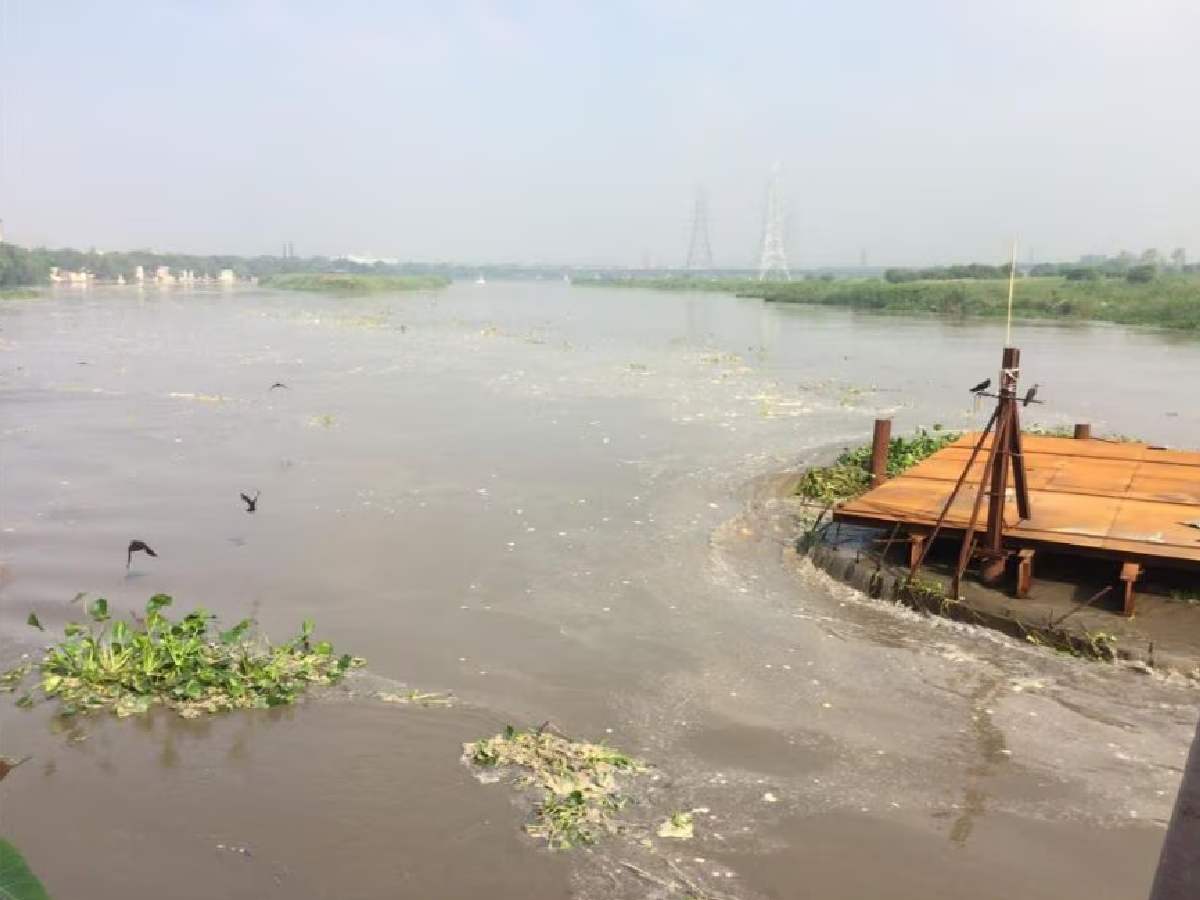
Delhi Launches Comprehensive Plan For Yamuna River Revival
Delhi is gearing up for a sweeping cleanup operation along the Yamuna River floodplains, with the government setting a firm deadline of November to remove all encroachments. The move is a major part of the 45-point action plan spearheaded by the administration to rejuvenate the river, which continues to suffer from decades of pollution and unchecked urban expansion. Officials say this coordinated multi-agency effort reflects a long-overdue commitment to restoring the Yamuna’s ecological health and reclaiming encroached public land.
The cleanup initiative, which has been approved by Chief Minister Rekha Gupta, was thoroughly discussed during a recent high-level meeting chaired by the Chief Secretary. The action plan includes close collaboration between various civic and administrative bodies, such as the Delhi Development Authority (DDA), Delhi Jal Board (DJB), Delhi Pollution Control Committee (DPCC), Municipal Corporation of Delhi (MCD), Irrigation and Flood Control (I&FC), and the New Delhi Municipal Council (NDMC). These departments have been directed to coordinate efforts and execute the clearance of illegal structures, unauthorised farming activities, and waste dumping zones spread across the floodplain zone of the river.
The DDA, in particular, has been tasked with leading the frontline effort against encroachments and has already managed to reclaim more than 224 acres of land so far. However, progress has not been without resistance. Officials acknowledge that the operation faces major challenges, including regular opposition from encroachers and the absence of clearly demarcated land boundaries, which complicates enforcement. Despite these hurdles, the authorities remain committed to seeing the mission through by the November deadline.
The plan is especially significant for the 22-kilometre polluted stretch of the Yamuna between Wazirabad and Okhla, which has long been regarded as the most critically affected segment of the river within the city. This stretch continues to suffer from sewage discharge, illegal settlements, unregulated agricultural activity, and the accumulation of solid waste. Restoring this portion is seen as pivotal to the broader rejuvenation goals. While the government has launched various projects over the years to clean the Yamuna, this latest plan is being promoted as a comprehensive and time-bound operation backed by significant financial and administrative support.
Part of the broader vision includes cracking down on encroachments along stormwater drains that feed into the river. These drains often carry untreated domestic and industrial waste, exacerbating the river’s pollution levels. Departments have been instructed to launch a city-wide drive to desilt, clean, and restore these critical drainage channels. In many areas, encroachments have narrowed or blocked these drains, reducing their efficiency and leading to further pollution and waterlogging problems during monsoon months.
The government’s seriousness is also reflected in the BJP-led administration’s allocation of ₹9,000 crore for water and sewerage infrastructure in its first budget. This financial commitment underscores the weight being placed on water management and urban sanitation as pillars of environmental governance in the city. Officials suggest that this budgetary support will be channelled into augmenting sewage treatment plants, enhancing drainage systems, and improving waste management in areas adjoining the river.
At Jagatpur Ghat and several other sites along the river, locals continue to gather for holy dips, reflecting the Yamuna’s enduring spiritual and cultural significance to Delhi’s residents. However, the stark contrast between this cultural reverence and the river’s actual ecological condition has prompted calls for urgent and meaningful action. The encroachments have long been a barrier to not only restoring the river’s natural flow but also to creating public spaces along the banks where people can engage with the river without wading through trash, effluents, and debris.
Past attempts to clean the Yamuna have often faltered due to bureaucratic delays, lack of coordination, or insufficient political will. This time, however, officials claim that the government is adopting a results-oriented approach. The setting of a clear deadline for encroachment removal is being viewed as a test of that resolve. Whether the various departments involved can work in sync to overcome logistical and legal challenges remains to be seen, but the stakes are undeniably high.
The Yamuna, often referred to as Delhi’s lifeline, has been choking under the weight of urban neglect, policy failure, and citizen apathy. Clearing the floodplain of illegal occupation is only the first step toward reclaiming the river’s ecological and social value. Experts argue that unless this operation is followed up by long-term policies on riverfront development, pollution control, and community engagement, the cycle of degradation could repeat itself in a matter of years.
As the clock ticks toward November, the city’s residents, environmentalists, and policymakers will be watching closely. Success could mark a turning point in Delhi’s long and troubled relationship with the Yamuna. Failure would simply reinforce the narrative that the city’s development continues to come at the cost of its natural heritage.