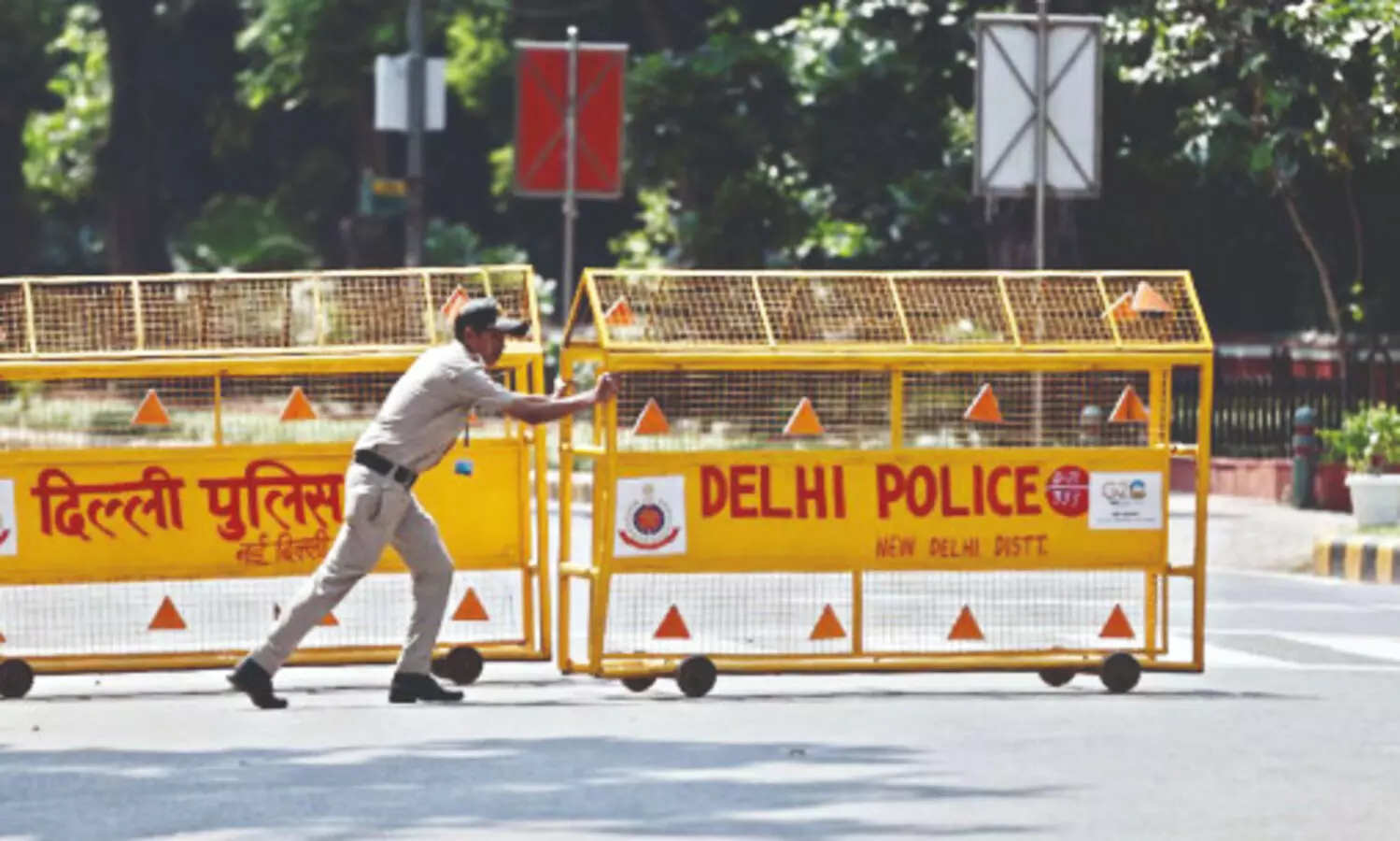
Delhi gets Rs 653 crore approval for 26 new police infrastructure projects
New Delhi: In a major push towards sustainable urban governance, the Ministry of Home Affairs (MHA) has sanctioned Rs 653.46 crore for the construction of 26 new infrastructure projects for Delhi Police, reaffirming its commitment to building eco-friendly, gender-sensitive, and modern policing facilities in the national capital.
The initiative includes 18 new police station buildings, seven police posts, one women’s hostel, and 180 staff quarters. All the projects will be executed by the Central Public Works Department (CPWD) and are designed to integrate sustainable building practices that reduce carbon footprint and optimise energy efficiency.According to senior officials, the projects are part of a broader effort to enhance both operational efficiency and the quality of life for police personnel. The focus is on creating spaces that are not only technologically advanced but also inclusive and supportive of women in the force a step towards more equitable policing in India’s most populous city.
This green infrastructure mission coincides with the MHA’s Special Campaign 5.0, launched under the Department of Administrative Reforms and Public Grievances (DARPG). The campaign promotes cleanliness, digital efficiency, and environment-friendly workplaces across government offices, including the Central Armed Police Forces (CAPFs) and Central Police Organisations (CPOs).Between November 2024 and August 2025, the MHA successfully freed over 79,000 square feet of office space, conducted 2,400 Swachhata drives, and disposed of thousands of long-pending administrative matters. The ministry also implemented a real-time digital monitoring system, enabling transparent coordination between divisions and departments. Experts say this digital shift not only improves administrative performance but also cuts paper usage contributing directly to the government’s zero-carbon workspace vision.
Officials noted that sustainability will be at the core of all upcoming police infrastructure projects, with green materials, efficient waste management systems, and energy-saving designs forming part of the planning process. These facilities are expected to serve as model eco-buildings, combining smart design with social responsibility.Urban development observers believe that Delhi’s police infrastructure overhaul could serve as a template for other metropolitan cities, aligning with national objectives under Swachh Bharat Mission and Smart Cities Mission. By modernising its policing environment, Delhi is taking a concrete step towards creating an urban ecosystem that balances safety, sustainability, and inclusivity.