


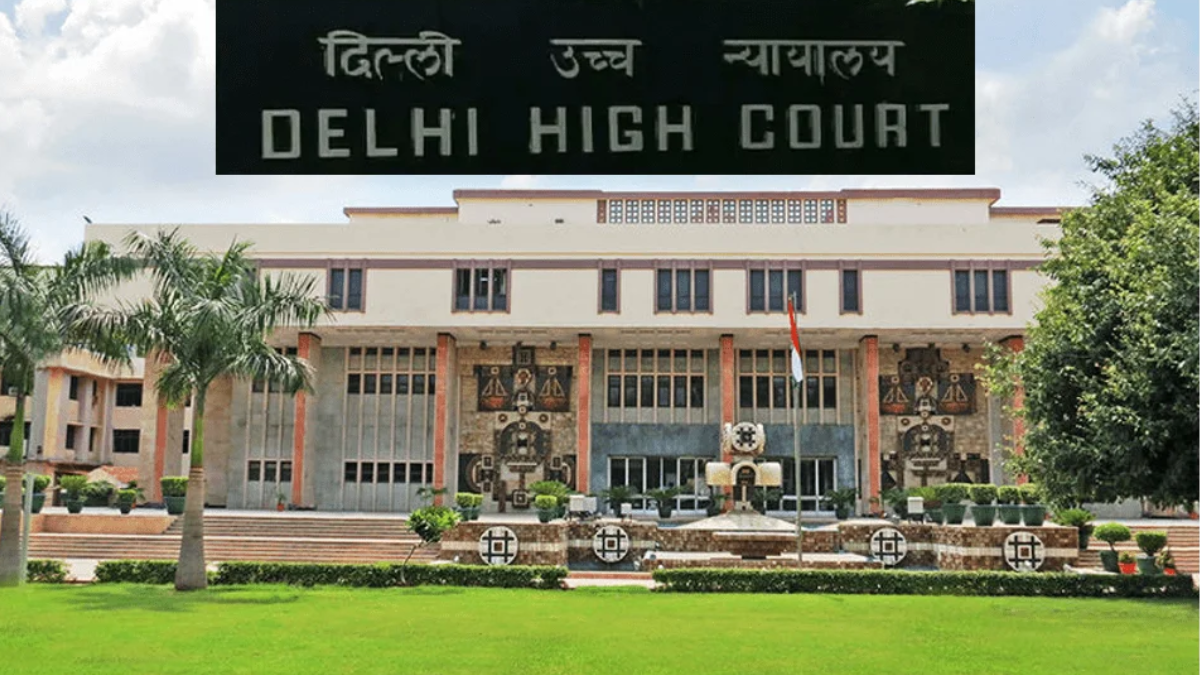
The Delhi High Court has ordered the demolition of the Madrasi Camp, a jhuggi-jhopri (JJ) cluster situated near the Barapullah drain.
The demolition is scheduled to commence on June 1, 2025, as part of efforts to decongest the drain ahead of the monsoon season. The court emphasized the urgency of clearing the Barapullah drain to prevent severe waterlogging in adjacent areas during the monsoon. The bench stated that the demolition should be executed systematically, ensuring minimal disruption to the affected residents.
Previously, the demolition was halted following a court order in September 2024, which granted interim protection to the slum dwellers. However, the current directive aligns with earlier instructions to remove unauthorized structures along the Yamuna river belt, including the Barapullah drain. The court clarified that the residents of Madrasi Camp have no legal claim to the land, which is public property, except for the right to rehabilitation under the Delhi Slum & JJ Rehabilitation and Relocation Policy, 2015. The court underscored that the rehabilitation of the camp dwellers is essential for the de-clogging of the Barapullah drain.
To facilitate a smooth transition, the Delhi Development Authority (DDA), Municipal Corporation of Delhi (MCD), Delhi Urban Shelter Improvement Board (DUSIB), and the Public Works Department (PWD) have been directed to hold two allotment camps from May 10 to May 12. During these camps, residents will receive possession letters for flats in Narela and be offered loans of ₹1.12 lakh to aid in their relocation. The court also instructed the DDA and DUSIB to ensure that all amenities in the Narela flats are ready by May 20. Eligible residents are expected to vacate Madrasi Camp between May 20 and May 31. To minimize disruption to the education of displaced children, the court ordered that they be accommodated in nearby schools in Narela before the new academic year begins.
Residents, many of whom have lived in the area for nearly four decades, had petitioned the court to delay eviction until proper rehabilitation measures were implemented. They cited their rights under the 2015 policy, which mandates rehabilitation for eligible slum dwellers. The court acknowledged these concerns but maintained that the clearance of the Barapullah drain is imperative to prevent severe waterlogging during the monsoon. The court’s decision reflects a broader effort to balance urban development with the rights of vulnerable populations. While the demolition of Madrasi Camp is aimed at improving infrastructure and public health, the court has taken steps to ensure that affected residents are provided with adequate housing and support during the transition.
As Delhi continues to grapple with the challenges of urbanization, the case of Madrasi Camp underscores the importance of sustainable and equitable city planning. The court’s directive serves as a reminder that infrastructure projects must consider the social and environmental impacts on local communities. The upcoming demolition and relocation efforts will be closely watched as a test case for how cities can manage the complex interplay between development and social justice. The success of this initiative may set a precedent for future urban renewal projects in Delhi and beyond.
Also Read : Mumbai Industrial Plot Becomes Green Oasis
