


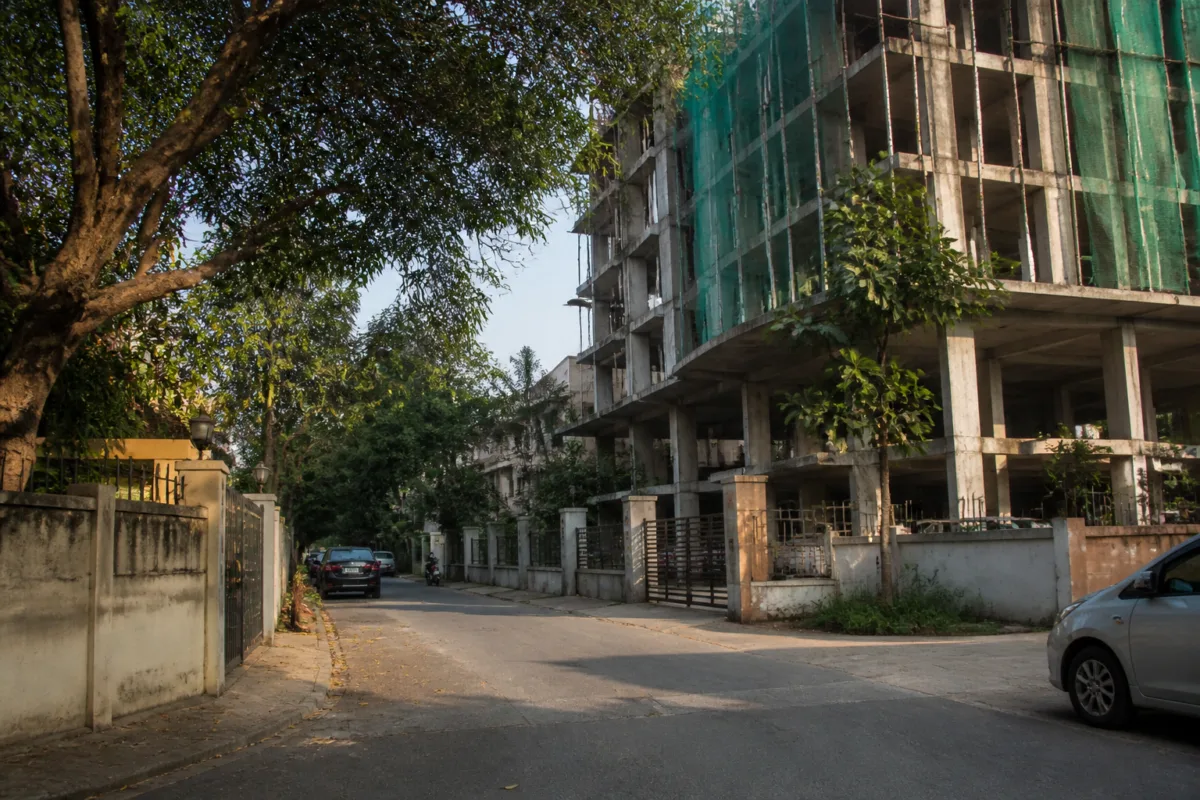
The Delhi Cantonment Board’s proposed Building Byelaws 2026 could allow residential buildings up to 15 metres high, or up to 16 metres where stilt parking is provided, according to a Navbharat Times report citing board officials. The proposed rules have been sent to the Ministry of Defence for notification and are not yet in force.
Under the existing Building Byelaws 2002, residential buildings in the cantonment area are permitted up to 11 metres, described in the report as approximately three storeys. The proposed framework would raise the standard height limit to 15 metres, while buildings with stilt parking could reach 16 metres.
The report also says the maximum floor area ratio (FAR) for residential buildings would rise to 225. Under the previous provisions, the FAR range for small and medium residential plots was reported to be between 100 and 180. The proposed rules would provide higher FAR for smaller buildings, although the report does not provide a plot-wise schedule or explain how the revised limits would be applied across different road widths and site conditions.
The changes would affect how much floor space residents can build on eligible plots. Higher FAR and additional height could support larger homes or more intensive redevelopment, but the final impact will depend on the notified text, plot dimensions, setbacks, parking requirements and approvals required within the cantonment administration.
The proposed byelaws would also divide the cantonment area into two zones after removing the earlier civil and non-civil area classification, according to the report. It does not provide the names or detailed development controls for the two proposed zones.
For market areas, plots measuring 60 to 175 square metres that combine shops and residences would reportedly be permitted 100% ground coverage. The report does not specify whether this provision would apply uniformly or what additional fire-safety, access, ventilation and structural requirements would accompany it.
The proposed rules include a sustainability-linked financial incentive. Residents installing rooftop solar power plants and rainwater harvesting systems would be eligible for a refund of up to 50% of the total development charge, according to the report. The eligibility conditions, cap, verification process and timing of the refund have not been detailed in the available account.
The report also says the new byelaws would clarify construction restrictions for very small plots. It states that construction would not be permitted on plots smaller than 50 metres, although the report does not specify whether this measurement refers to area or another plot dimension. The final notified document will be important for resolving that point.
Delhi Cantonment Board chief executive officer Robin Baleja reportedly said the proposed byelaws had been sent to the Ministry of Defence and would be notified shortly. Until that notification is issued, the reported height, FAR, coverage and incentive provisions should be treated as proposed changes rather than permissions currently available to property owners.

