


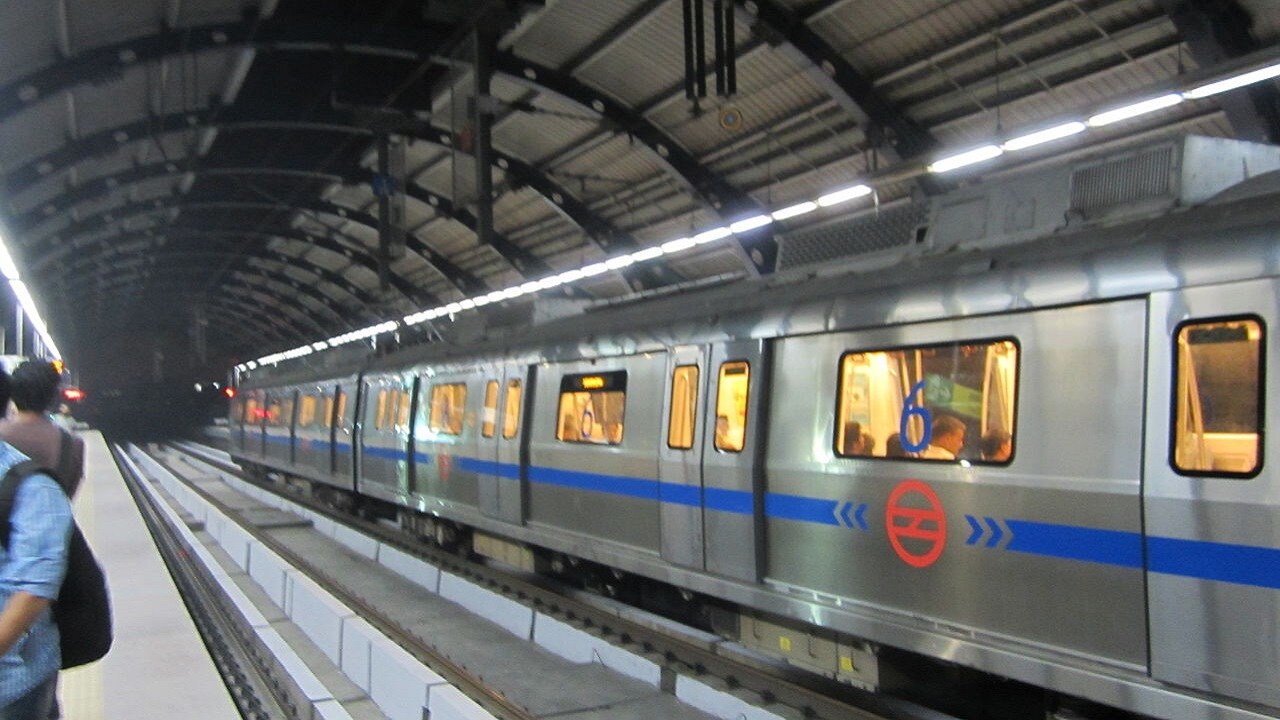
Delhi Metro’s vital Blue Line, a primary artery connecting millions of commuters across the National Capital Region, experienced a temporary disruption on Wednesday morning due to a technical snag.
While services between Dwarka and Janakpuri West swiftly resumed after a brief delay, the incident subtly underscores the ongoing imperative for robust, resilient, and continuously maintained public transport infrastructure in pursuit of creating zero-net carbon, eco-friendly, and truly equitable urban environments. The Delhi Metro Rail Corporation (DMRC) acknowledged the inconvenience faced by commuters during the brief period of disruption. A spokesperson for the DMRC confirmed the technical glitch and highlighted that maintenance teams were promptly mobilised to address the issue, ensuring a swift resolution. Such rapid response mechanisms are fundamental to maintaining public trust in mass transit systems, which are increasingly vital for mitigating urban congestion and reducing the carbon footprint of daily commutes in sprawling metropolises like Delhi.
Crucially, while the Blue Line experienced its momentary hiccup, services across all other lines of the Delhi Metro network continued to operate according to schedule. This testament to the overall operational efficiency and decentralised resilience of the DMRC system is a positive indicator. However, any disruption, no matter how brief, on a line as heavily utilised as the Blue Line, impacts thousands of daily commuters, from office-goers to students and daily wage earners, highlighting the interconnectedness of urban life and the transport backbone that supports it. The incident serves as a pertinent reminder that even in highly advanced public transport networks, proactive maintenance and rapid deployment protocols are paramount. As Delhi continues its trajectory towards becoming a truly sustainable and smart city, the reliability of its public transport system becomes an even more critical component. An eco-friendly city is not just about reducing emissions; it is also about ensuring seamless, efficient, and gender-neutral access to opportunities and services for all its residents, irrespective of their socio-economic background or travel patterns.
Maintaining the intricate web of signals, tracks, and rolling stock across hundreds of kilometres of metro lines demands continuous investment in technology and human expertise. Each technical snag, however minor, offers valuable insights for further enhancing system robustness and predictive maintenance strategies. This ongoing commitment to operational excellence is essential to ensure that Delhi’s extensive metro network remains a cornerstone of its sustainable urban future, reliably serving its vast and diverse population. For the commuters, the rapid restoration of services was a relief, preventing widespread cascading delays during the morning rush. The human element, from the maintenance crews working diligently to resolve the issue to the station staff guiding affected passengers, played a vital role in managing the situation effectively. As urbanisation intensifies, the role of reliable, efficient, and eco-conscious public transport like the Delhi Metro becomes indispensable in shaping cities that are not just economically vibrant but also livable, breathable, and truly equitable for every inhabitant, solidifying its position as a global leader in sustainable mass transit.
Also Read: Mira-Bhayander Gets Game-Changing Double-Decker Metro
Delhi Blue Line Dwarka Janakpuri West Services Resume Quickly
