


Cambodia, Mexico and Panama have joined an international network working to reduce black carbon emissions, taking its membership to 12 countries at the COP31 climate conference in Antalya, Türkiye, on November 16.
The Peer Network on Sectoral Action on Black Carbon was established after nine countries announced plans at COP30 in Belém, Brazil, to coordinate policies and measures against soot emissions. According to the Clean Air Fund, the expanded network will support technical cooperation, knowledge-sharing and joint advocacy.
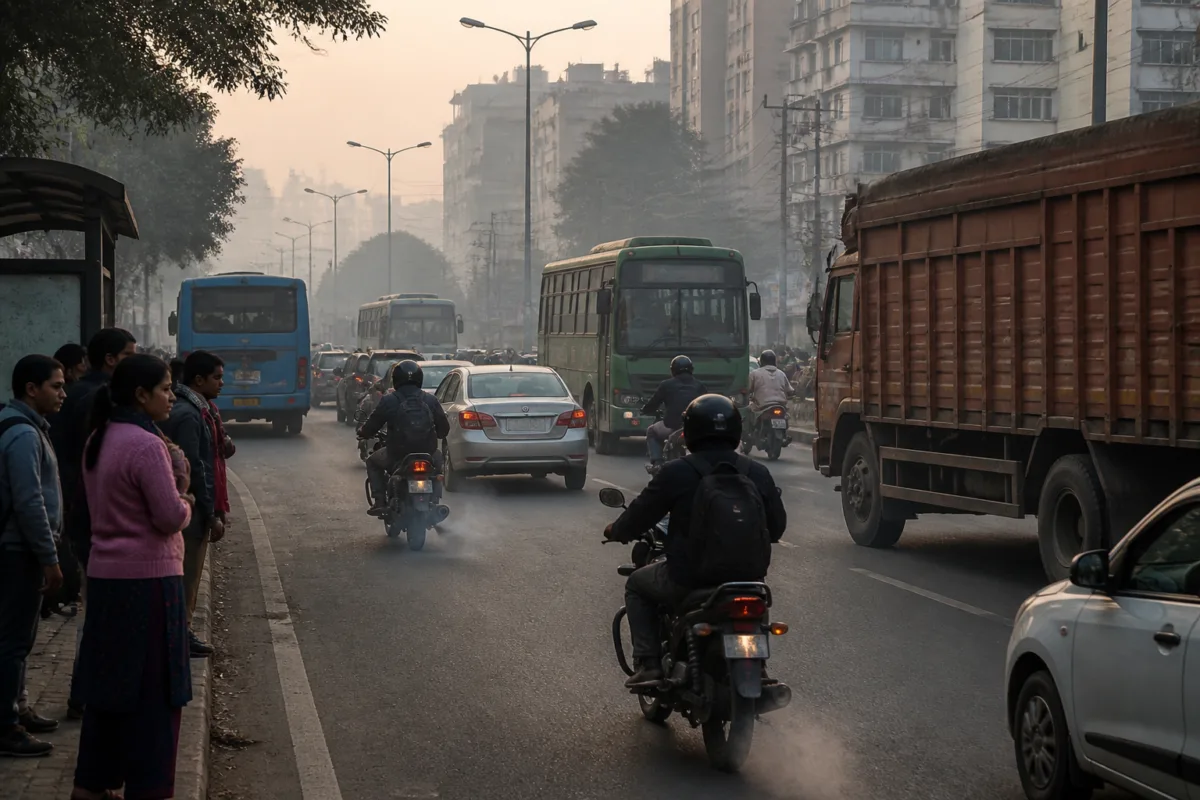
Black carbon is produced by the incomplete burning of fossil fuels and biomass. Its main sources include household cooking and heating, transport, shipping, industry, wildfires, and the burning of waste and agricultural residues. The particles contribute to warming by absorbing sunlight and can accelerate the melting of snow and ice when deposited on those surfaces. They are also a component of fine particulate air pollution linked to respiratory and cardiovascular diseases.
Panama identified vehicles as its largest source of black carbon emissions. Environment Minister Juan Carlos Navarro said vehicles accounted for 85 per cent of the country’s emissions and called for stricter vehicle standards and replacement of older trucks, buses and cars.
Mexico said it is targeting a 51 per cent reduction in black carbon emissions by 2030. The country, which was the first to include black carbon in its national climate plan, identified transport and cooking as priority areas for further action.
Cambodia said network membership would help it exchange solutions as it addresses environmental threats including wildfires. Its environment ministry also cited work on transport, industry and waste emissions, alongside air-quality and public-health goals.
The Clean Air Fund estimates that targeted action on black carbon and ground-level ozone could prevent around 0.14°C of warming by 2050. However, its 2025 assessment found that only $824 million, or less than 0.5 per cent of development finance, went towards projects addressing major black carbon sources in 2023.
At COP31, philanthropic organisations announced more than $480 million for reducing methane and other climate-warming pollutants, including black carbon. A further $25 million was pledged to the Climate and Clean Air Coalition’s Super Pollutant Country Action Accelerator, which will support seven additional countries in developing emissions-reduction projects.

