


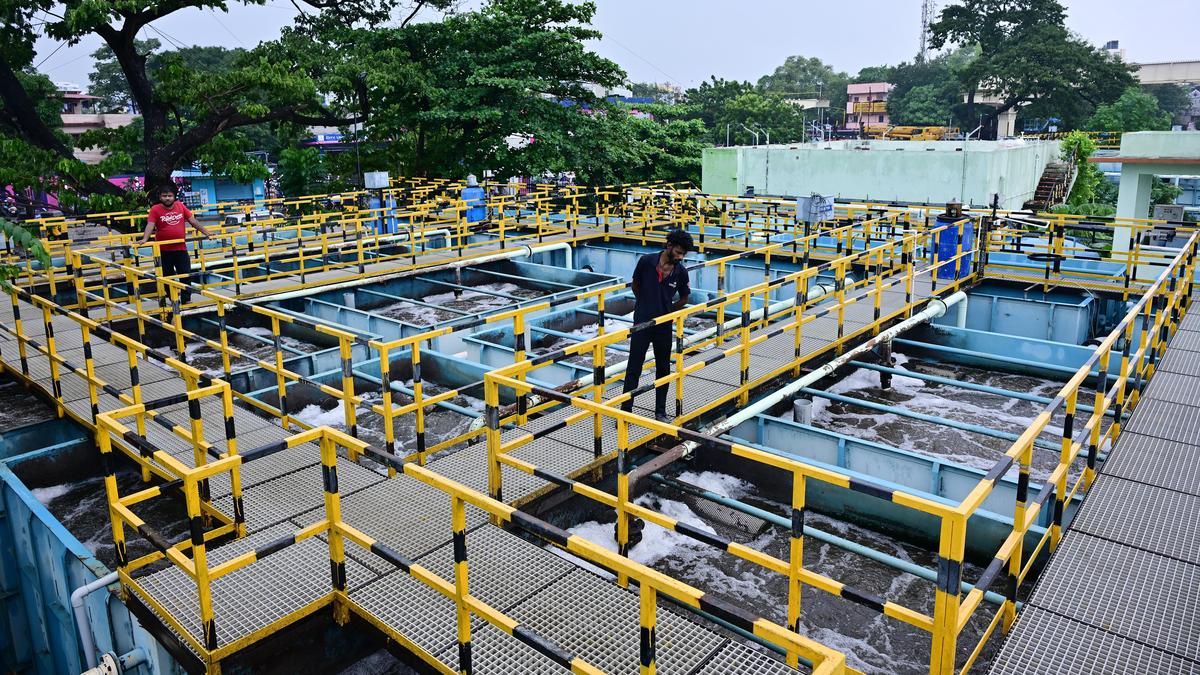
A new corporate move to establish a dedicated subsidiary for a Chennai-based water treatment project signals growing investment momentum in urban water infrastructure, as cities grapple with rising demand and climate-related stress. The development reflects how private sector participation is increasingly shaping essential services in India’s expanding metropolitan regions.
Industry observers note that the initiative is tied to a large-scale water treatment project aimed at strengthening supply systems in Chennai, a city that has historically faced cycles of water scarcity and flooding. By creating a focused entity, the company is expected to streamline execution, financing, and operational management for the project.The Chennai water treatment project comes at a critical juncture, as urban centres across India are under pressure to modernise ageing water infrastructure. Rapid population growth, erratic rainfall patterns, and over-extraction of groundwater have made reliable water supply a key planning challenge. For Chennai, which has experienced both drought-like conditions and extreme rainfall events in recent years, resilient water systems are central to long-term sustainability.Experts highlight that advanced treatment facilities can improve both water quality and supply efficiency, reducing losses and enabling reuse.Technologies such as wastewater recycling and desalination are increasingly being integrated into urban water strategies, particularly in coastal cities. These approaches not only address shortages but also contribute to climate resilience by diversifying water sources.
From an economic perspective, infrastructure investments of this scale have wider implications. They can stimulate job creation during construction and operation phases, while also supporting industrial and residential growth by ensuring dependable utilities. Reliable water access is often a deciding factor for businesses and real estate development.However, the Chennai water treatment project also raises important governance considerations. Public-private partnerships in essential services require strong regulatory frameworks to ensure affordability, transparency, and long-term accountability.Urban policy experts emphasise that while private expertise can accelerate delivery, safeguarding public interest must remain central.Environmental implications are equally significant. Modern treatment plants, if designed efficiently, can reduce pollution loads in water bodies and support circular water use. At the same time, energy consumption and waste management associated with such facilities need careful planning to minimise environmental impact.Urban planners argue that projects like these should be integrated into a broader, decentralised water management strategy.Combining large treatment plants with localised solutions—such as rainwater harvesting, lake restoration, and demand management—can create a more resilient and balanced system.
As Chennai continues to expand, the success of such infrastructure projects will depend on how effectively they align with long-term urban planning goals. Ensuring equitable access, environmental sustainability, and operational efficiency will be key to securing the city’s water future in an era of increasing climate uncertainty.
Also Read:Chennai Accessible Voting Initiative Improves Civic Inclusion
