


Chennai dengue cases more than doubled in September, with 1,290 infections reported during the month compared with 605 in August, as Tamil Nadu intensified surveillance and mosquito-control measures ahead of the northeast monsoon.
The city recorded 72 fresh dengue cases on Wednesday, according to a report by DT Next citing the Health and Family Welfare Department. Chennai is among the districts identified as having a high incidence of dengue as seasonal vector-borne diseases rise across the state.
Tamil Nadu recorded more than 18,000 dengue cases and nine deaths up to September 30, the department said. The September increase in Chennai represents a rise of 685 cases over August and places additional pressure on local surveillance, sanitation and healthcare systems before the monsoon creates more opportunities for stagnant water to accumulate.
The state has expanded fever surveillance through 5,818 government and private health facilities. As of September 30, 26,303 health workers had been deployed for surveillance and rapid-response activities, while more than 2.23 lakh dengue-related tests had been conducted during the first nine months of the year.
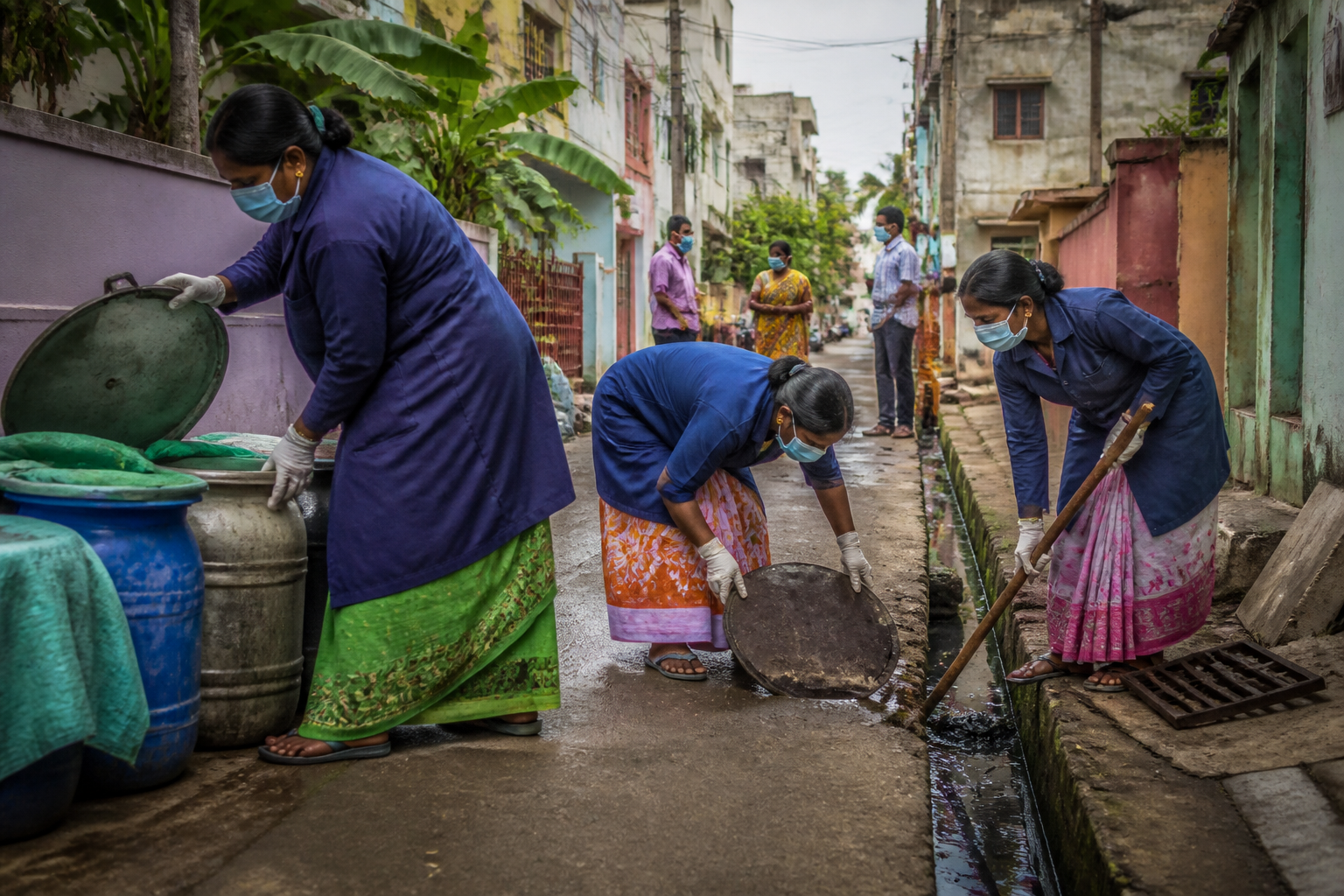
In Chennai, the Greater Chennai Corporation has deployed 3,690 domestic breeding checkers across its 15 zones. Their work includes identifying and eliminating mosquito-breeding sites in residential and other urban areas. The civic body has also intensified source-reduction activities, cleaning and fogging operations, particularly in localities reporting higher incidence.
The response places household and neighbourhood-level conditions at the centre of dengue control. Health officials have asked residents to remove stagnant water from homes and surrounding areas, clean flower pots and containers regularly, and keep stored water covered. These measures target breeding sites for the Aedes mosquito, which can reproduce in small quantities of standing water around homes and buildings.
Hospitals are also strengthening preparedness by earmarking additional beds for dengue patients. The facilities are expected to maintain mosquito-netted beds and adequate stocks of medicines, intravenous fluids, plasma and blood components as the case burden increases.
Doctors have advised people with high-grade or persistent fever to seek medical evaluation promptly. They have also warned that the critical phase of dengue can begin after the fever subsides, making continued monitoring important even when temperature-related symptoms appear to improve.
The latest figures bring together two distinct responsibilities in the city’s dengue response: municipal action to reduce mosquito breeding and health-system capacity to identify, monitor and treat infections. The state’s next steps include continued fever surveillance, field-level interventions and source reduction as Tamil Nadu moves towards the northeast monsoon.
