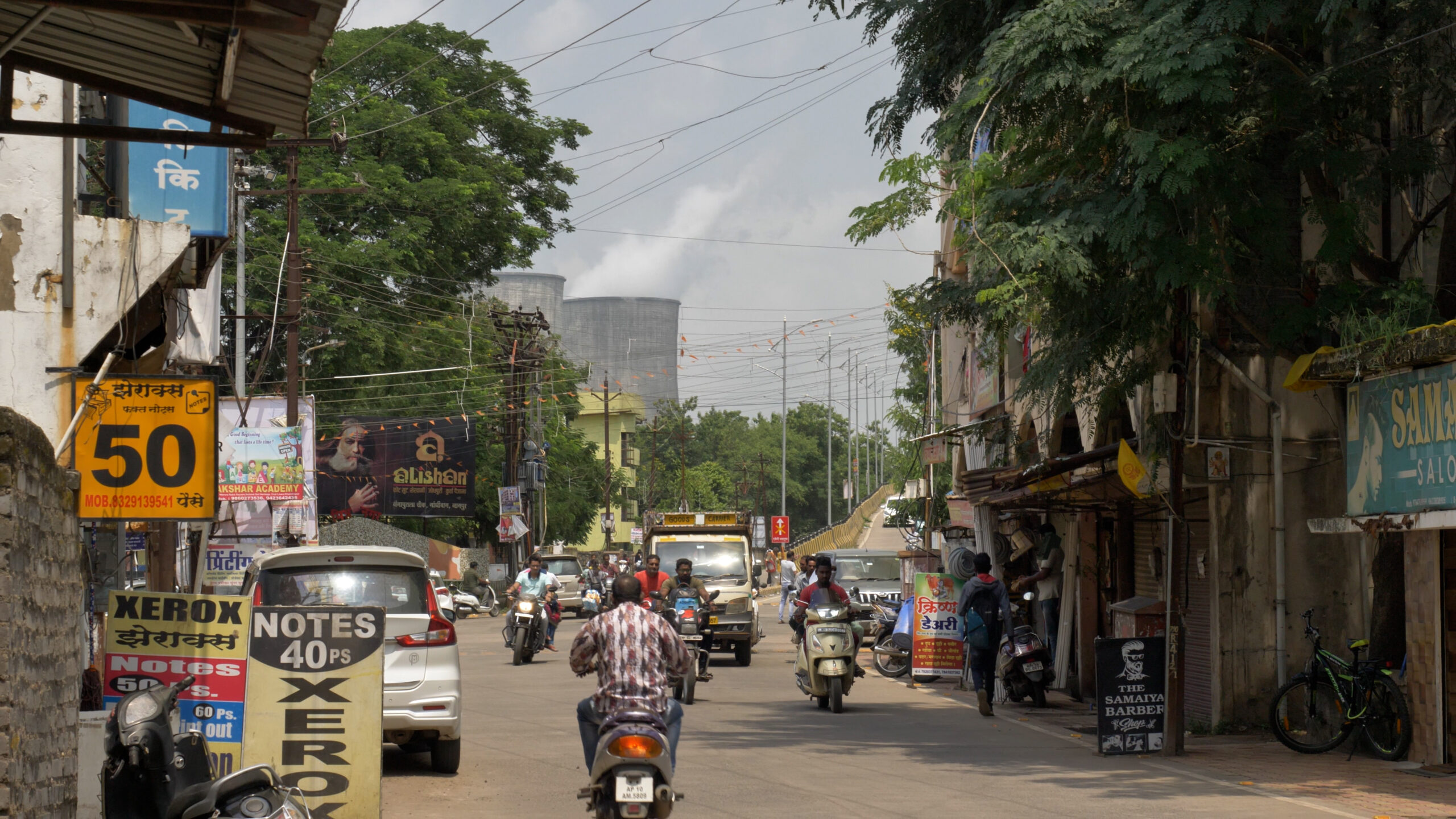
Chandrapur Battles Pollution Despite State Measures, Health Toll Alarming
Chandrapur continues to reel under the weight of toxic emissions and environmental degradation, even as state authorities push for pollution control measures. Classified as a Critically Polluted Area, the district now faces rising health crises tied to poor air and water quality. Despite infrastructure upgrades and regulatory enforcement, residents and environmental groups highlight persistent gaps, demanding a comprehensive pollution management plan to protect both public health and ecological systems in this heavily industrialised region.
Authorities have pointed to significant pollution control efforts in Chandrapur, including the installation of electrostatic precipitators, air quality monitors, dust collectors, and wastewater treatment plants across key industrial units. Officials claim that these interventions have helped reduce the city’s pollution index from a dangerous 83 in 2010 to 54. Measures such as conditional permits, regular inspections, and notices to defaulting industries form part of the enforcement framework. Yet, the implementation appears uneven, with environmental experts noting underutilisation of funds by local governing bodies. While ongoing plans are underway to formulate a focused pollution control roadmap for hotspots like Chandrapur, immediate outcomes on ground remain limited. The industrial cluster — including thermal power units, mining operations, and heavy manufacturing — continues to discharge hazardous pollutants, further straining the district’s fragile ecosystem. Amid rapid urban expansion, vehicular emissions and charcoal burning add to the cumulative pollution load, demanding urgent coordination among multiple civic and industrial authorities.
The health consequences of unchecked pollution in Chandrapur are staggering. Between April 2023 and March 2025, government hospitals in the district recorded over 12,800 respiratory illness cases, alongside more than 18,000 instances of waterborne diseases such as cholera and diarrhoea. Data from medical colleges show nearly 78,000 reported skin infections in just over two years, with tuberculosis, heart ailments, and pregnancy-related complications also on the rise. Experts attribute this alarming trend to prolonged exposure to toxic air and unsafe drinking water, both heavily contaminated by industrial effluents. In several localities, groundwater samples revealed traces of untreated discharge, endangering aquatic life and communities alike. Environmental groups argue that without urgent corrective measures — including real-time environmental audits, stricter emissions control, and decentralised water treatment — the health burden on residents will continue to escalate. Their demands underscore the urgent need to elevate pollution control from policy intent to field-level implementation.
While the state’s commitment to pollution abatement in Chandrapur appears active on paper, the grim health statistics and environmental damage reveal a different story on the ground. Despite upgraded infrastructure and enforcement mechanisms, the pace of implementation and fund utilisation remains sluggish. Residents continue to suffer the consequences of industrial pollution, inadequate sanitation, and contaminated water. A targeted, district-specific action plan — backed by real-time data, inter-agency accountability, and citizen participation — is now critical. With public health at risk, Chandrapur demands not just promises but transparent, science-driven, and sustained efforts to reclaim clean air, water, and safe living conditions.