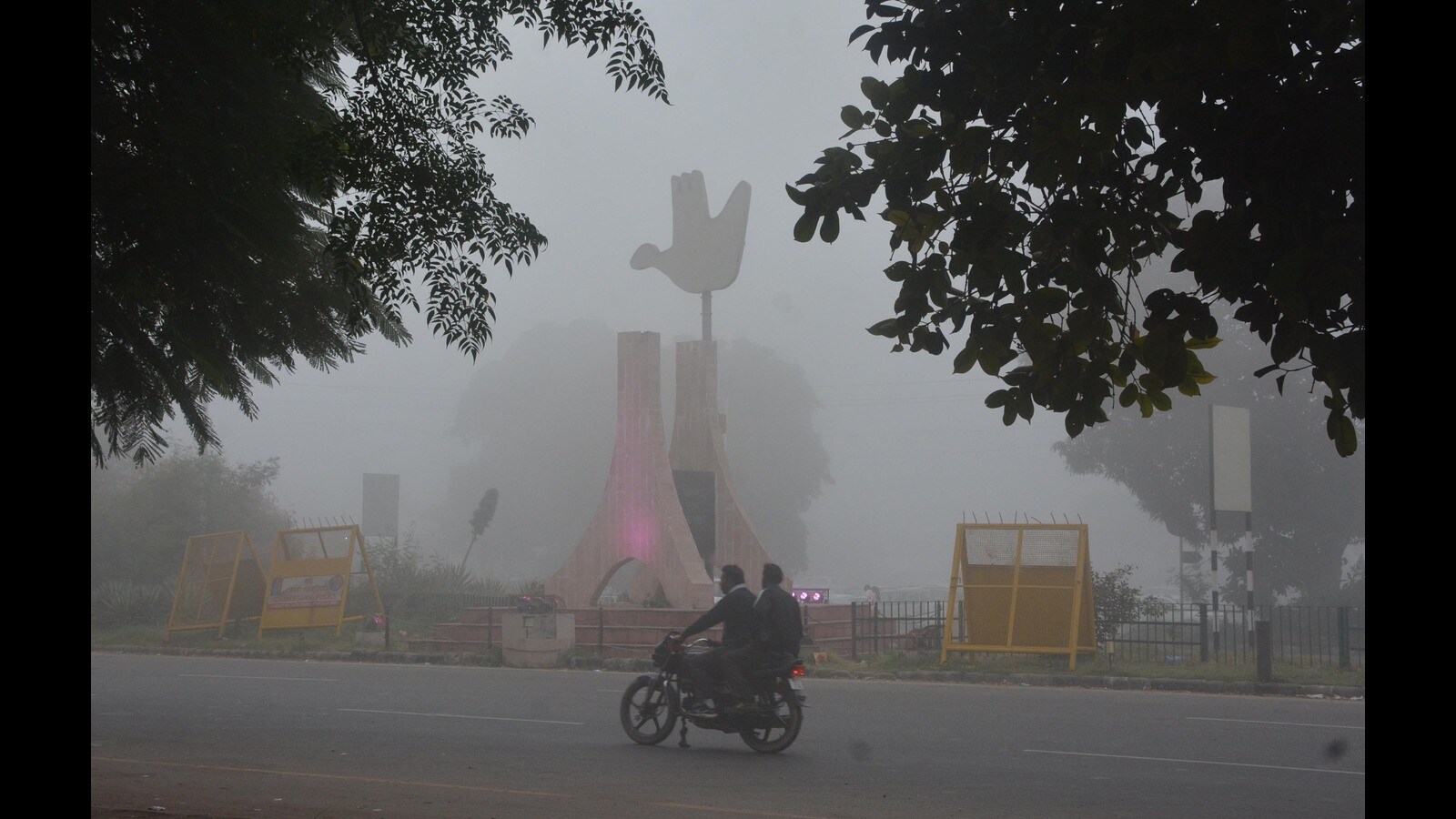
Chandigarh Sets Air Quality Goals to Eliminate Air Pollution Statewide
Chandigarh has become the centre of a new push for clean air as Haryana launched a comprehensive, multi-layered roadmap to tackle rising pollution levels across the state. In a high-level meeting chaired by the Commission for Air Quality Management (CAQM), senior authorities unveiled the strategic framework focusing on urban emissions, industrial control, and rural mitigation measures. The plan, with special emphasis on NCR districts, aims to align with national air quality mandates and sustainable development goals.
The state’s strategy includes targeted interventions in transport, construction, industry, agriculture, and waste management, especially in NCR-adjacent districts that experience severe air quality deterioration. Senior experts highlighted the need for stricter monitoring of vehicular emissions, transition to cleaner fuels, and the expansion of electric vehicle infrastructure. Proposed construction dust control protocols include regular mechanised sweeping, strict enforcement of debris disposal, and real-time site inspections. For industrial pollution, authorities plan to implement continuous emissions monitoring systems (CEMS) in high-risk sectors and incentivise greener production practices. Agricultural measures involve promoting residue management equipment and alternative cropping techniques to reduce stubble burning. Additionally, increased investments in decentralised waste processing and bioremediation are under review. Officials stressed that the action plan requires both institutional coordination and community involvement to succeed. The CAQM also urged prompt compliance and timely reporting from all implementing agencies to keep the initiative on track across Haryana’s districts.
Environmental experts at the meeting noted that improving Haryana’s air quality demands collaborative efforts among municipal bodies, pollution control boards, industries, and civil society. Emphasis was laid on district-level enforcement cells that will monitor compliance with air quality guidelines and report violations through an integrated digital platform. Localised data collection, real-time AQI monitoring, and public dashboards will play a crucial role in ensuring transparency and accountability. The roadmap further aligns with India’s National Clean Air Programme (NCAP) targets by aiming for a 20–30% reduction in PM2.5 and PM10 levels by 2026 in urban centres. Special attention has also been directed toward vulnerable populations, including school-going children and outdoor workers, with adaptive strategies like clean zones, air purifiers in public buildings, and awareness campaigns. While challenges like enforcement delays and seasonal spikes remain, the new framework is positioned as Haryana’s strongest institutional response yet to persistent air quality issues.
Haryana’s newly unveiled roadmap reflects an urgent and unified effort to combat air pollution through structural, regulatory, and behavioural change. Authorities have recognised the complex, multi-source nature of the crisis and are now steering the state toward long-term solutions that prioritise health, equity, and sustainability. The proposed measures not only align with national environmental goals but also set a precedent for other states facing similar challenges. With strict timelines, inter-departmental coordination, and real-time monitoring, the success of this roadmap could serve as a model for air quality governance across India’s most polluted zones.