


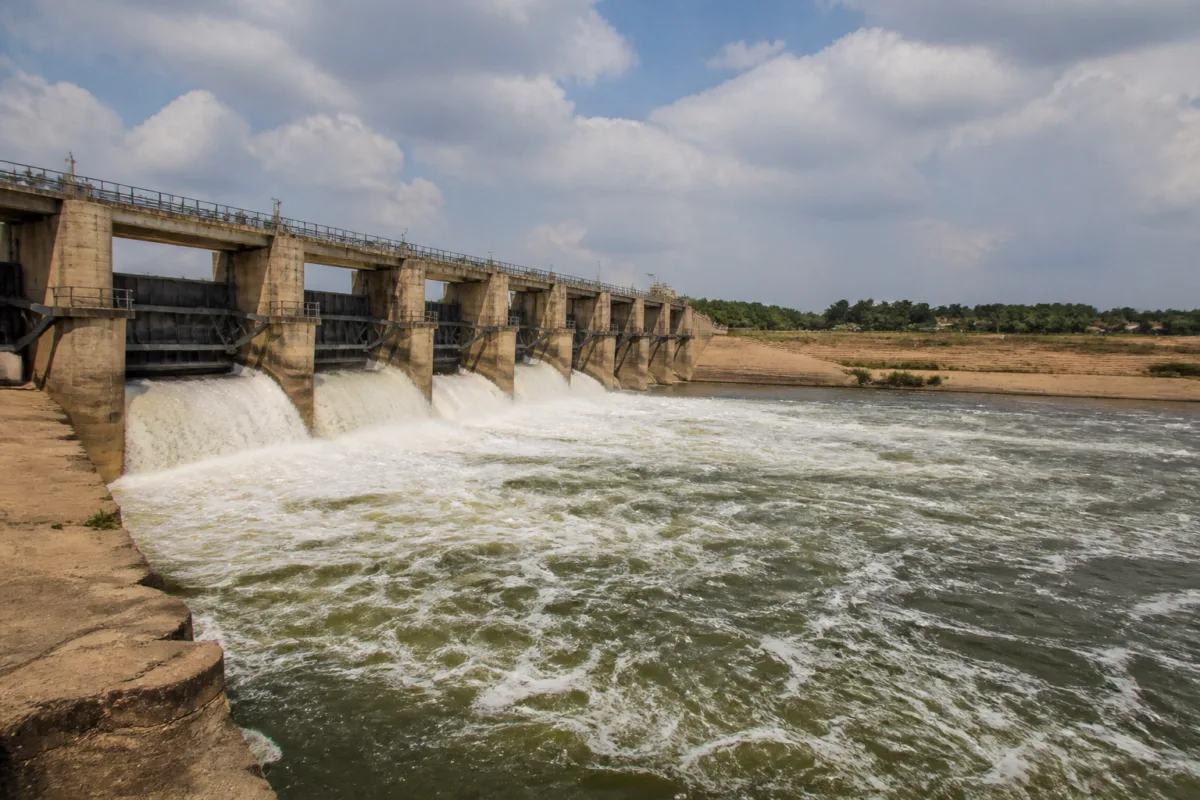
The Cauvery Water Regulation Committee has recommended that Karnataka release 3,000 cusecs of Cauvery water to Tamil Nadu every day for 15 days from November 7, according to a report by Prajavani. The recommendation amounts to a total release of 3.88 thousand million cubic feet of water during the period.
The decision was taken at a meeting of the committee held in New Delhi on Friday under the chairmanship of Vineet Gupta. The recommendation concerns the regulated release of water from the Cauvery basin in Karnataka to Tamil Nadu amid an ongoing dispute over compliance with earlier directions.
Tamil Nadu had raised the issue of non-release before the Supreme Court, stating that Karnataka had not released 3,000 cusecs of water daily since October 23 as directed by the Cauvery Water Management Authority. The matter was mentioned before a bench headed by the Chief Justice of India by Tamil Nadu’s counsel Karunakaran.
According to the report, Tamil Nadu told the Supreme Court that the absence of the prescribed release had damaged crops across 4 lakh hectares of agricultural land. The claim was presented by the state during the court proceedings and forms part of the dispute surrounding the implementation of the Cauvery directions.
The latest recommendation comes through the Cauvery Water Regulation Committee, the body responsible for operational recommendations on water releases under the Cauvery water-sharing framework. Its recommendation is for a defined 15-day period and specifies both the daily flow and the total volume to be released.
The decision places the immediate focus on whether the recommended flow will begin on November 7 and continue for the full period. The report does not provide details of Karnataka’s response to the recommendation, the reservoir levels considered at the meeting, or the final operational order governing the release.
The dispute has direct consequences for agriculture in both states because releases from the Cauvery system must be managed against competing irrigation requirements and available water supplies. In the latest development, the committee’s recommendation provides a specific short-term release schedule while the broader legal and administrative dispute remains before the relevant authorities and courts.

