


Former Prime Minister HD Deve Gowda has urged Prime Minister Narendra Modi to intervene in Karnataka’s Cauvery water concerns, citing low rainfall, depleted reservoir storage and the drinking-water needs of Bengaluru and neighbouring areas.
In a letter to Modi, Gowda sought four measures from the Union Ministry of Jal Shakti: modification of the powers and functions of the Cauvery Water Management Authority (CWMA), referral of a review of the Cauvery Tribunal’s award to a fresh tribunal if one is constituted at Tamil Nadu’s request, urgent clearance for Karnataka’s Mekedatu drinking-water project, and early finalisation of the Godavari-Krishna-Cauvery river-linking project’s detailed project report and water allocations.
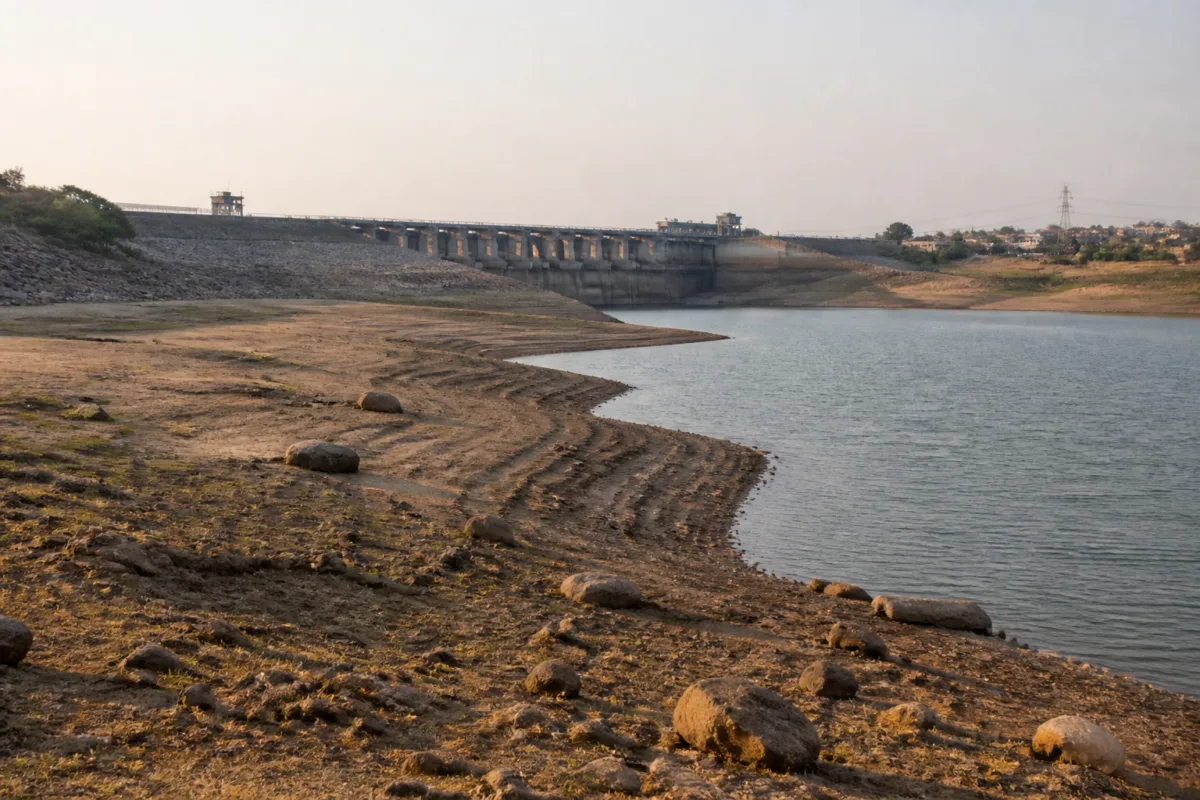
Gowda said Karnataka had received about 60 per cent of its normal rainfall this year, leaving reservoirs in the Cauvery basin with only 50 to 55 per cent of their storage capacity. He said the reduced availability had affected both irrigation and drinking-water supplies.
The former prime minister also contended that the CWMA had repeatedly directed Karnataka to release water to Tamil Nadu despite the state’s concerns about reserving available storage for drinking-water requirements during the coming summer. He said Tamil Nadu’s requirement was for irrigation, while Karnataka needed to protect supplies for Bengaluru and surrounding areas.
Citing the National Water Policy, Gowda said drinking water receives the highest priority. He argued that the CWMA should have considered Karnataka’s grievances before directing releases from the state’s reservoirs. He also questioned whether the authority’s powers to regulate reservoir storage and water releases encroached on the constitutional rights of states over irrigation.
Gowda referred to a Supreme Court order dated November 13, 2025, and said Karnataka had the liberty to use its allocated share of Cauvery water in the manner it considered to be in its best interest, provided the shares of other states were not reduced. He asked the Centre to modify the CWMA’s functions in line with that order.
On the Cauvery Tribunal’s award, Gowda said the tribunal was constituted in 1990 and had assessed water availability using data that was more than 50 years old. Its final award, delivered in 2007, did not provide for a review mechanism, he said. Gowda argued that changing rainfall patterns and climate conditions warranted a fresh examination of the existing arrangements.
He further referred to Tamil Nadu’s reported complaint to the Government of India on March 4, 2026, under Section 3 of the Inter-State Water Disputes Act, seeking the constitution of a fresh tribunal in connection with the Mekedatu issue. Gowda asked that any review of the Cauvery Tribunal’s award also be referred to the proposed tribunal.
Karnataka’s Mekedatu drinking-water project was another central issue in the letter. Gowda said the state had resubmitted the project’s DPR to the Central Water Commission in August 2026 after addressing its observations and sought priority clearance.
For the proposed Godavari-Krishna-Cauvery river-linking project, Gowda said Karnataka had been tentatively allocated 15.9 TMC of a proposed 147.7 TMC diversion of Godavari water. The tentative allocations mentioned in the letter were 45 TMC for Telangana, 43.8 TMC for Andhra Pradesh and 40.9 TMC for Tamil Nadu. He sought a larger share for Karnataka, citing equity and natural justice.
Gowda’s requests now place the Union Ministry of Jal Shakti at the centre of decisions involving the CWMA’s authority, the proposed tribunal process, Mekedatu’s DPR and the allocation framework for the river-linking project. The letter seeks action on all four matters from the ministry.

