


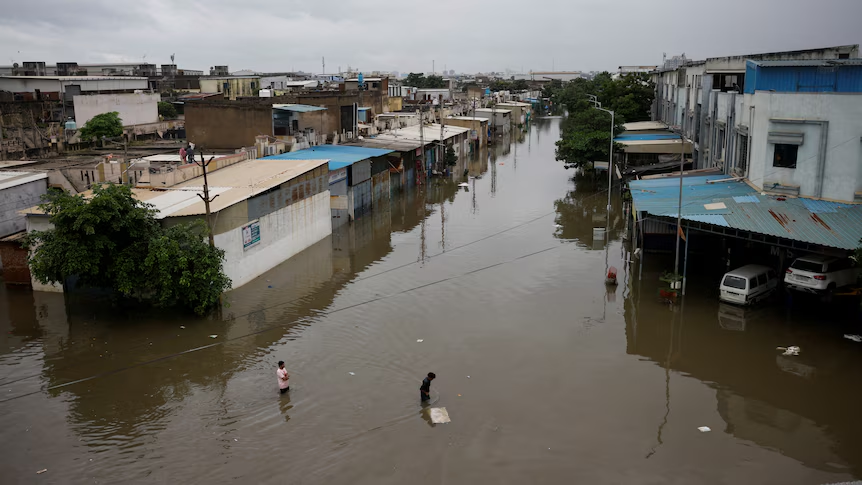
Bengaluru’s Informal Settlements Face Severe Flood Risks
A recently launched report titled Nagara Pravaha, authored by Hasiru Mane, shines a spotlight on the perilous living conditions faced by residents of informal settlements in Bengaluru, focusing particularly on recurring floods, inadequate housing, and a dire lack of proper infrastructure. The report highlights the disproportionate impact of these issues on vulnerable communities, many of which are located in flood-prone areas with insufficient drainage systems. As these communities grapple with constant exposure to floods, the report calls for urgent reforms in urban planning, disaster management, and flood risk mitigation.
The study surveyed 22 informal settlements across Bengaluru, including areas such as Siddhartha Colony, Konappana Agrahara, and Thyamagondlu, among others. These settlements, often built on poorly planned lands, face frequent flooding during heavy rains. In places like Konappana Agrahara, overflowing drains flood entire neighbourhoods, while Rayasandra’s flooding during monsoon seasons disrupts both homes and workplaces. In settlements such as Vinayaka Nagara and Koppa Road, located in sloped regions, the natural flow of water worsens the flood risk, inundating the already precarious living conditions. This unrelenting cycle of flooding has serious consequences on both the physical infrastructure and the health of the residents, particularly waste pickers who suffer economic setbacks as their work is disrupted.
The Nagara Pravaha report also underscores the impact of flooding on livelihoods, particularly for Bengaluru’s waste pickers. These workers, who rely on collecting waste for their income, see their materials damaged or destroyed in the floods, resulting in severe financial losses. The disruption of their daily activities makes it even harder for them to sustain their livelihoods, pushing them further into poverty. In addition to economic losses, the floods also lead to health crises in these communities. Increased cases of waterborne diseases, respiratory infections, and skin diseases are common during flooding, exacerbating the already strained public health system in these areas. The lack of basic sanitation infrastructure, poor drainage systems, and dilapidated housing only serves to worsen these health risks.
The report calls for a comprehensive, multi-pronged approach to tackle the flood risk and improve the overall resilience of these vulnerable communities. The recommendations include immediate steps to improve the urban drainage systems and infrastructure, as well as a stronger focus on community engagement and stakeholder collaboration. Moreover, there is a need for better disaster preparedness and sustainable relocation strategies for families living in high-risk zones. While technical solutions such as flood barriers and better drainage systems are critical, the report stresses that addressing the social, economic, and governance challenges must be central to any long-term solution. This will ensure that communities are not only protected from floods but also empowered to rebuild and thrive.
From a broader sustainability perspective, the report highlights the growing role of climate change in intensifying urban flooding. The urban heat island effect, combined with poorly managed urbanisation, has made Bengaluru particularly vulnerable to heavy rainfall, which further strains the already fragile infrastructure in informal settlements. Sustainable urban planning, climate-resilient infrastructure, and better flood risk management practices are crucial for the city’s long-term development. Effective policies must integrate environmental sustainability with social equity, ensuring that the most vulnerable populations are not left behind in the pursuit of urban growth.
The findings of the Nagara Pravaha report serve as a clarion call for policymakers to take swift action in addressing the flood risks and infrastructure challenges in Bengaluru’s informal settlements. As climate change continues to alter weather patterns and increase the frequency of extreme weather events, the need for an inclusive, sustainable urban environment has never been more urgent. It is critical that Bengaluru not only addresses the immediate flood risks but also adopts a forward-thinking approach to urban resilience, ensuring that no community is left at the mercy of nature’s fury.
