Bengaluru Outskirts See Rise In Managed Farmland Projects
A shift in buyer preferences is reshaping land markets on Bengaluru’s eastern edge, where Hoskote is witnessing rising interest in managed farmland living as an alternative to conventional residential investments. The trend reflects a broader move toward low-density, nature-linked development models that combine ownership with sustainable land use, at a time when urban residents seek respite from dense city environments.
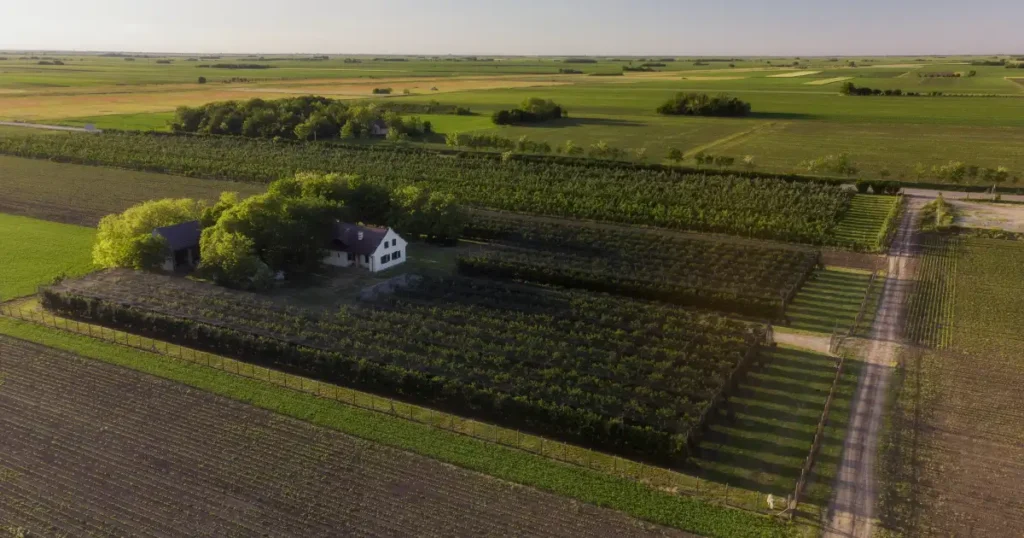
Once considered a peripheral settlement, Hoskote has evolved into a strategic growth corridor due to its proximity to industrial clusters and improved road connectivity linking it to Bengaluru’s IT hubs. Large residential projects by established developers have already anchored the area’s credibility. Now, a parallel segment focused on agricultural plots and second-home ecosystems is gaining traction, expanding the market beyond standard apartments and plotted layouts. Industry experts note that managed farmland living is emerging as a hybrid asset class part lifestyle investment, part long-term land holding. Unlike traditional farmland transactions, these developments typically include maintenance services, irrigation systems, and curated plantation models, allowing urban buyers with limited agricultural expertise to participate in land-based activities. This model is particularly appealing in cities like Bengaluru, where access to open green spaces remains limited.
Urban planners suggest that such projects, if regulated effectively, could contribute to peri-urban ecological buffers by preserving green cover and promoting soil health. However, they also caution that unchecked fragmentation of agricultural land or inadequate infrastructure provisioning could strain local resources. The need for clear land-use policies and water management frameworks remains critical as demand accelerates.Developers entering this segment are increasingly integrating sustainability features such as organic farming practices, native crop cultivation, and shared green infrastructure. Some projects are also experimenting with agroforestry and community farming concepts, aligning with climate-resilient land use strategies. These approaches respond to a growing demographic of buyers interested not only in ownership but also in participation cultivating produce, engaging in outdoor activities, and maintaining a closer connection to land.
The appeal of managed farmland living has been further amplified by post-pandemic behavioural shifts, with buyers prioritising health, open space, and self-sufficiency. Real estate analysts observe that second-home demand around Bengaluru has diversified, moving beyond luxury villas to include functional, experience-driven land investments. At the same time, local authorities face the challenge of balancing growth with sustainability. As Hoskote attracts both large-scale housing and emerging farmland projects, coordinated planning will be essential to ensure equitable infrastructure access, protect agricultural viability, and prevent speculative overdevelopment. With demand for managed farmland living continuing to rise, Hoskote’s trajectory may signal a broader transformation in how India’s expanding cities engage with their rural fringes blurring the line between habitation, agriculture, and ecological stewardship.