Bengaluru Karnataka Bandh Impact Expected To Remain Limited
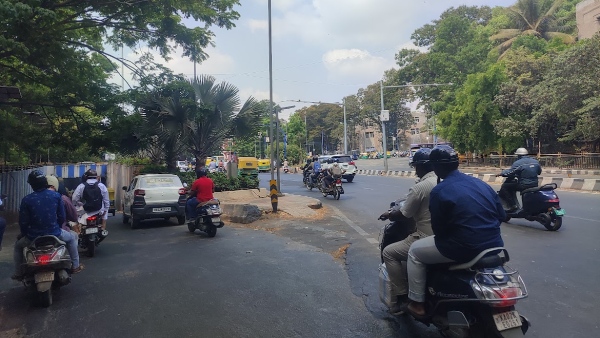
Bengaluru is expected to see limited disruption from the Karnataka bandh scheduled for August 13, after several major organisations withdrew their support for the shutdown. The development reduces the likelihood of widespread interruptions to transport, commerce and essential services in the city, although individual businesses and local activities could still be affected.
The bandh was called over concerns linked to state-level issues, but its potential impact on Bengaluru has weakened following the withdrawal of support by prominent groups. With major transport and commercial networks not backing the shutdown, the city’s daily economic activity is expected to continue broadly as normal. For Bengaluru, the level of participation in a shutdown is particularly important because the city depends on a highly interconnected mobility system. Public buses, metro services, taxis, autos, private vehicles and delivery networks collectively move millions of people and goods across the metropolitan area. Even limited participation can create localised disruption. If individual businesses close or traffic volumes change unexpectedly, commuters may experience delays on particular routes despite the absence of a citywide shutdown. The uncertainty is also relevant for the city’s commercial economy. Bengaluru’s large technology, services, retail and hospitality sectors depend heavily on predictable employee movement. Short-notice disruptions can affect office attendance, deliveries, customer visits and scheduled commercial activity.The expected limited impact also highlights the difference between a statewide shutdown call and actual participation on the ground. Organisations withdrawing support can substantially reduce the operational consequences, particularly when they represent sectors responsible for moving people and maintaining essential services.
For commuters, transport availability will remain a key consideration. Bengaluru’s metro network can provide an alternative to road travel when operational, while bus services and other shared modes remain important for areas beyond the rail network. The ability of public transport systems to maintain reliable services is therefore central to keeping the city moving during periods of uncertainty. There is also a wider urban resilience lesson. Bengaluru’s economy is increasingly dependent on mobility systems that can withstand disruptions, whether caused by protests, extreme weather, infrastructure failures or other events. Diversified transport options reduce the risk that a disruption in one mode will bring large parts of the city to a standstill. Businesses can also reduce exposure by allowing flexible working arrangements where feasible and communicating travel expectations clearly to employees. Such measures can prevent sudden changes in commuting patterns from producing additional congestion. The environmental implications should not be overlooked. If public transport remains operational and commuters continue using shared mobility, a temporary reduction in road traffic could limit emissions. Conversely, uncertainty that pushes passengers towards private vehicles can produce additional congestion and pollution.
For Bengaluru, the immediate expectation is that the bandh will not substantially interrupt the city’s core services. However, residents and businesses will still need to monitor local developments, particularly in areas where participation may differ from the broader citywide picture. The episode ultimately demonstrates the value of resilient urban systems. Reliable public transport, flexible workplaces and clear civic communication can help Bengaluru maintain essential economic and social activity even when disruption is anticipated.