


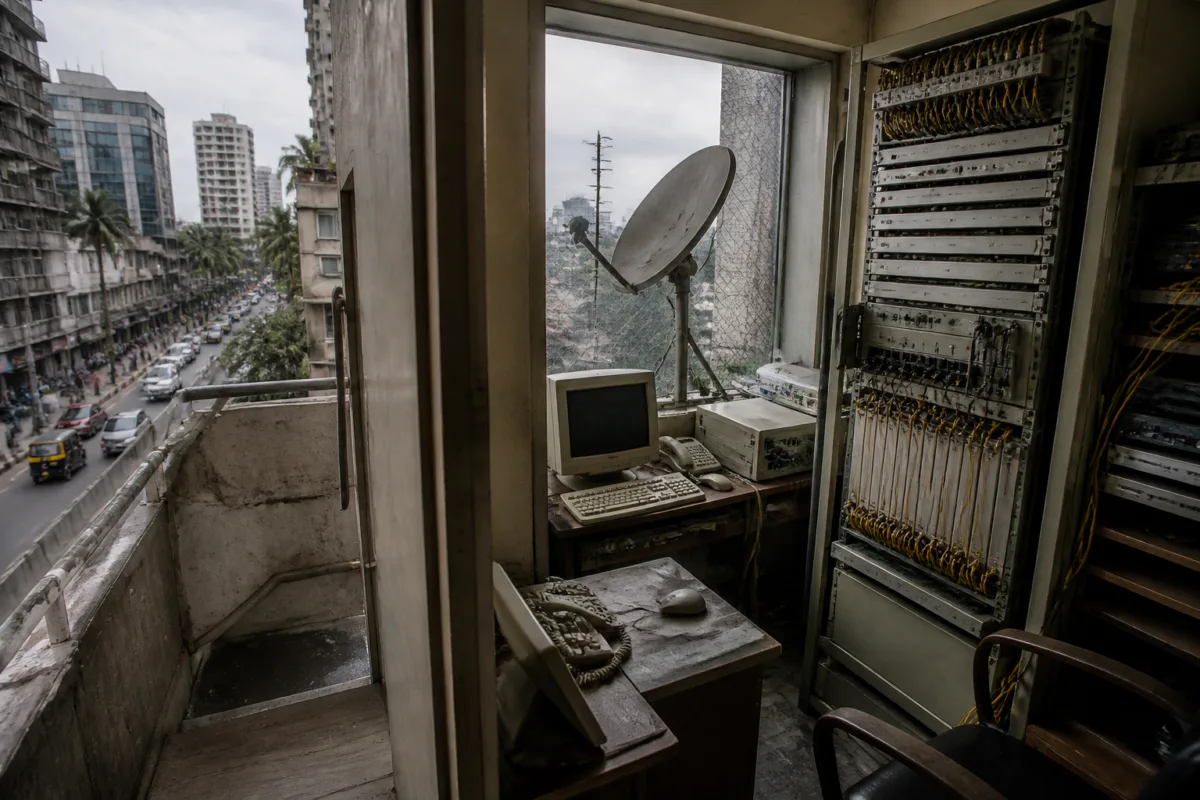
A Mumbai magistrate’s court has acquitted three men in a 17-year-old case involving an alleged illegal international call-routing operation in Andheri West, holding that the prosecution failed to provide technical evidence linking them to the alleged telecom network or establish that customers had used it.
Additional Chief Judicial Magistrate DS Khedekar acquitted Dushyant Bhojak, 70, Shrinath Jena, 50, and Govind Shrivastav, 84, of charges under Section 420 of the Indian Penal Code, provisions of the Indian Telecom Act concerning unlicensed apparatus, and Section 25(c) of the Indian Telegraph Act concerning intentional tampering.
The case arose from an alleged raid on March 6, 2002, at premises in Maurya House on Link Road, Andheri West. According to the prosecution, the accused had obtained two Direct Outward Dialing circuits, installed electronic equipment and operated Connecting Networking Pvt Ltd without government permission or a licence. The setup was alleged to have bypassed Videsh Sanchar Nigam Ltd (VSNL), allowing customers to make international calls at lower rates.
The prosecution claimed that the alleged operation caused a loss of Rs 2.10 crore per month to the government, or about Rs 7 lakh per day. At the time, international calls were substantially more expensive than they are today. A call to the United States reportedly cost Rs 24 a minute during peak hours and Rs 21.18 during off-peak hours in 2002.
The court, however, found that the prosecution had not established that the seized computers, dish, antenna and other electronic equipment were being used to route international calls. The judgment said that merely finding computers and electronic equipment at the premises did not prove that the accused were involved in operating an illegal telephone exchange.
The magistrate also noted that the prosecution did not produce evidence of call numbers or call records showing that calls had been sent to foreign countries. Without proof of customers who had used the alleged cheaper calling service, the court said, the claim that VSNL or the government had suffered financial losses could not be accepted.
The evidence included the testimony of seven witnesses, among them an MTNL informant, panch witnesses, vigilance officials and a police officer. The court found that the MTNL informant did not have personal knowledge of the technical process allegedly used to route calls while bypassing authorised services. The prosecution also failed to establish who possessed the premises, whether the equipment was operational for illegal calling, and how the accused were connected to the alleged operation.
The court questioned the absence of independent local witnesses from the building, despite the prosecution’s claim that the raid took place in premises surrounded by other rooms. It noted that police had not recorded the statements of adjacent residents.
The prosecution had attempted to connect the accused to the Andheri premises through a developer’s statement referring to an agreement involving one of them. The court held that this was insufficient, particularly because no registered sale deed was produced. The acquittal followed the court’s finding that the case relied on allegations and equipment recovery without the technical, usage and possession evidence needed to establish the charges.

