


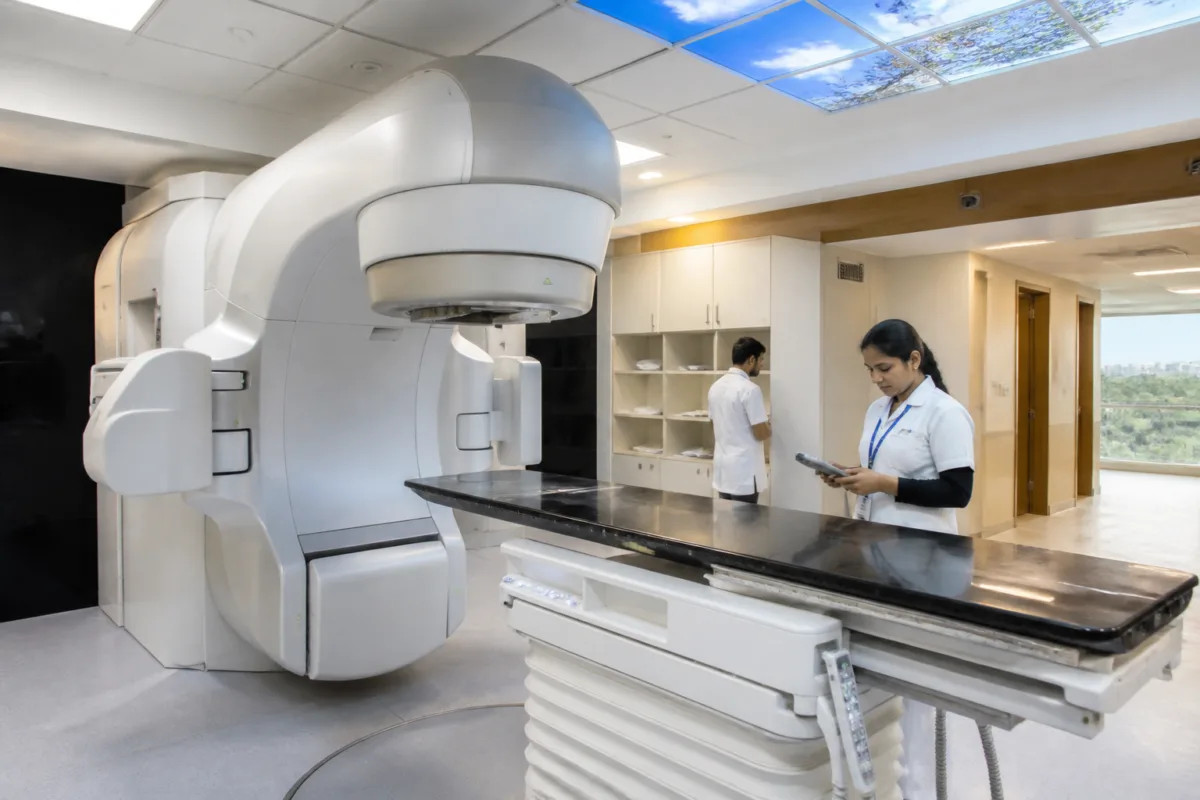
AIIMS Delhi has issued a work order to purchase two new high-energy linear accelerator machines for its Dr BR Ambedkar Institute Rotary Cancer Hospital, a move expected to improve radiotherapy access and reduce waiting periods for cancer patients. The machines are expected to be installed at the cancer centre next year, subject to the completion of the procurement and installation process, according to a report by Live Hindustan – NCR.
The AIIMS cancer centre currently faces radiotherapy waiting periods of four to six months. The delay affects patients who require timely cancer treatment and has been linked to the age and breakdown of existing radiotherapy equipment, as well as the absence of new linear accelerators at the facility.
The scale of demand is significant. The institute’s outpatient department recorded 2,10,761 cancer-patient visits during 2025-26, including more than 15,000 new patients, the report said. The centre receives more than two lakh cancer patients in its outpatient department in a year, making equipment availability a critical part of its treatment capacity.
AIIMS currently has six radiotherapy machines: three linear accelerators and three cobalt machines. The report said two of the linear accelerators are no longer usable after completing their operational life, while the third has also reached the end of its expected service period. Radiotherapy machines are generally considered to have a service life of about 10 years, according to the report.
The institute’s cobalt machines use an older radiotherapy technology. A senior radiotherapy doctor cited in the report said cobalt machines deliver lower-power radiation and offer less precision than linear accelerators. Linear accelerator-based treatment can target tumours more accurately, potentially reducing radiation exposure to surrounding tissue and the risk of side effects.
The procurement has followed several delays. Tenders for the two machines were issued and cancelled four to five times over the past four years, with disputes over pricing and departmental differences contributing to the cancellations. Two tenders were issued last year for machines estimated to cost around Rs 70 crore. A committee was formed after budget-related difficulties emerged during the second tender process.
The latest work order indicates that the procurement has moved beyond the tender stage, but the machines will still need to be supplied, installed and commissioned before they can be used for patient treatment. The report did not specify the exact installation date or the revised radiotherapy capacity that the two machines will provide. The expected commissioning next year is therefore the next major milestone for patients waiting for access to the upgraded service.

