


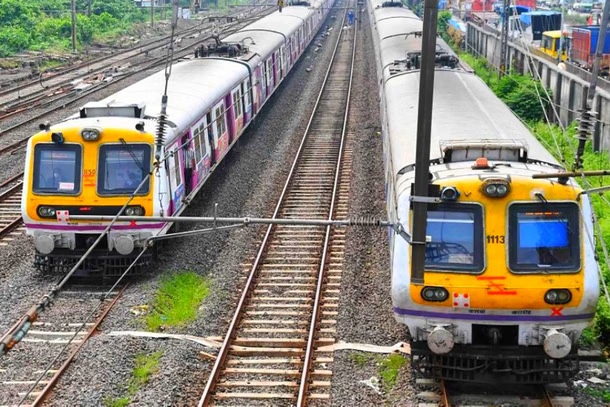
Rail traffic disruptions across Ahmedabad have affected multiple routes, leading to cancellations, diversions, and delays that are impacting daily commuters and regional connectivity. The situation highlights the vulnerability of urban transport systems to operational interruptions, particularly in cities where rail networks form a critical backbone for mobility. The disruptions, linked to scheduled infrastructure work on key rail sections, have led to significant changes in train schedules. Passengers travelling for work, education, and intercity connections have faced uncertainty, with extended travel times and last-minute adjustments becoming common.
For many, especially daily commuters, the delays have translated into productivity losses and increased travel stress. The ongoing Ahmedabad rail disruptions underline the importance of resilient and well-coordinated transport planning in rapidly growing urban regions. Experts note that while infrastructure upgrades are essential for long-term capacity enhancement, their execution must be carefully managed to minimise short-term disruption to public movement. Urban transport specialists point out that Ahmedabad’s reliance on rail connectivity extends beyond the city to its wider metropolitan region. Disruptions on major routes can affect not only intra-city commuters but also passengers travelling between cities and towns in Gujarat. This has implications for economic activity, as delays in passenger and freight movement can ripple across sectors. The situation also draws attention to the need for integrated mobility systems. In cities where rail services are disrupted, alternative transport options—such as bus networks, metro systems, and last-mile connectivity—play a crucial role in maintaining continuity. Experts emphasise that strengthening these alternatives can help absorb shocks and reduce dependence on a single mode of transport. From an infrastructure perspective, the disruptions reflect the challenges of upgrading legacy systems while keeping them operational. As cities expand and demand for mobility increases, rail networks require periodic maintenance and modernisation. However, the lack of adequate contingency planning can amplify the impact on users. Environmental considerations are also relevant. Rail transport is generally more energy-efficient and less polluting compared to road-based alternatives. Prolonged disruptions may push commuters towards private vehicles, potentially increasing congestion and emissions. Ensuring reliable rail services is therefore important not only for mobility but also for sustainable urban development. The Ahmedabad rail disruptions also raise questions about communication and passenger information systems. Timely updates, clear scheduling changes, and accessible information channels can significantly reduce inconvenience and improve commuter experience during such events.
As infrastructure work continues, the focus is likely to shift towards balancing maintenance needs with user convenience. Strengthening planning frameworks, improving coordination between agencies, and investing in multimodal transport solutions will be essential to ensure that urban mobility remains efficient, inclusive, and resilient in the face of future disruptions.
ALSO READ – Surat Migration Crisis Exposes Urban Workforce Vulnerability
Ahmedabad Rail Delays Affect Daily Commuter Mobility
