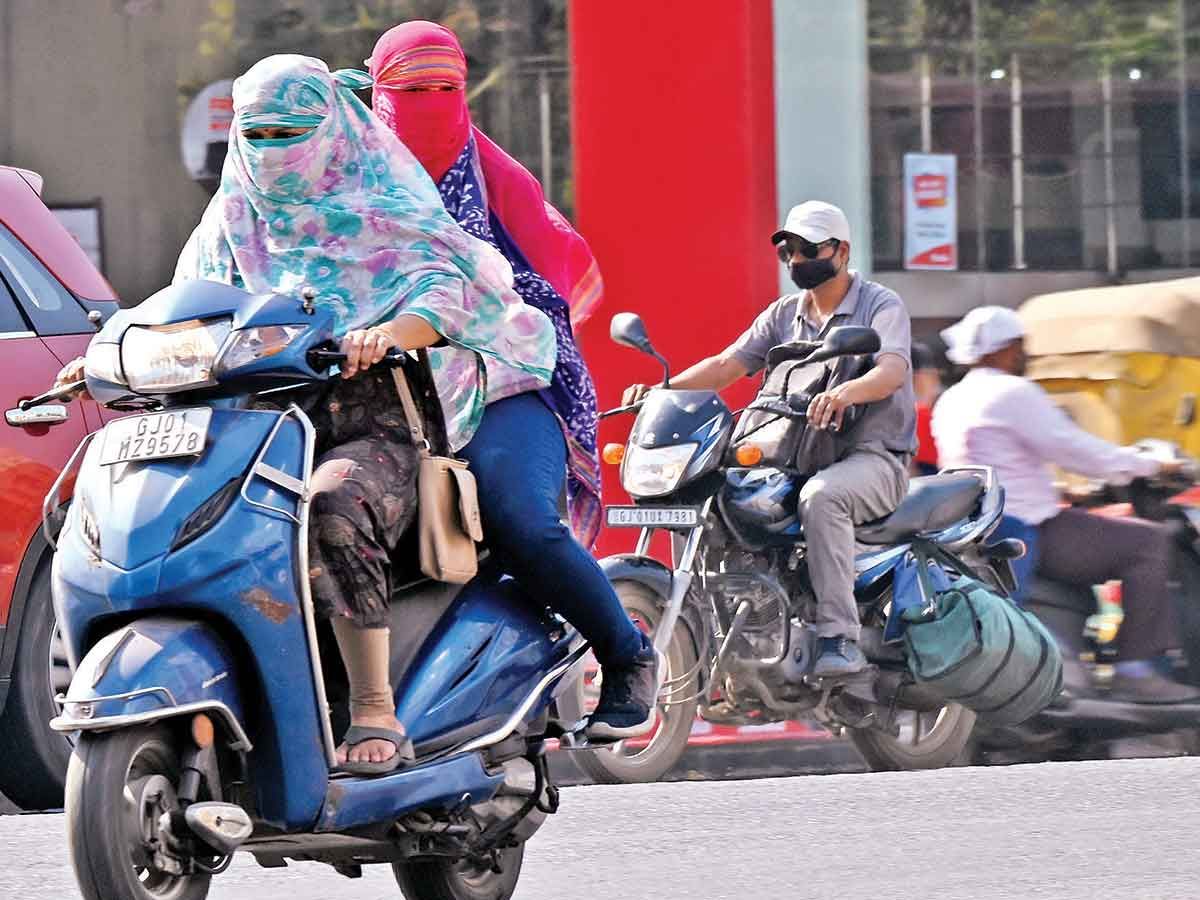
Ahmedabad is currently experiencing an intense heatwave, with temperatures soaring to 44.8°C, making it the second hottest location in Gujarat after Rajkot, which recorded 46.2°C.
This extreme heat has led to deserted streets during peak hours as residents seek shelter indoors to avoid the scorching sun. The India Meteorological Department (IMD) has issued a series of heatwave alerts for the region. A yellow alert was in place on April 27 and 28, escalating to an orange alert through May 2, indicating severe heatwave conditions. A subsequent yellow alert is expected on May 3.
The current weather pattern is characterized by hot westerly winds and a lack of rainfall, contributing to the dryness and discomfort experienced by residents. Humidity levels have dipped to as low as 12% by evening, exacerbating the heat’s impact. The IMD forecasts that these conditions will persist, with temperatures remaining between 40°C and 45°C across Gujarat. A slight relief is anticipated after May 2, with a potential drop of 2 to 4 degrees. Healthcare professionals have issued warnings, particularly for vulnerable populations such as children and the elderly, advising them to avoid outdoor activities between 12 noon and 4 pm. Dehydration and heatstroke are significant risks, with even short exposures to the sun posing health threats. Residents are encouraged to stay hydrated and take necessary precautions to mitigate heat-related illnesses.
The heatwave’s impact is evident across various sectors. Outdoor workers, including traffic police, delivery personnel, and street vendors, are seen covering their heads with cloths to shield themselves from the sun. There is a noticeable increase in the consumption of cooling beverages like lemon water and buttermilk, and a surge in demand for ice-based refreshments at roadside stalls. The current situation underscores the broader implications of climate change, with rising temperatures and extreme weather events becoming more frequent. Urban areas like Ahmedabad are particularly vulnerable due to the urban heat island effect, where concrete and asphalt surfaces absorb and retain heat, leading to higher temperatures than surrounding rural areas.
In response to the escalating heat, the Ahmedabad Municipal Corporation (AMC) has activated its heat action plan, which includes measures such as setting up cooling centers, distributing water, and issuing public advisories. These initiatives aim to provide immediate relief and protect public health during extreme heat events. As the city navigates this challenging period, there is a growing recognition of the need for sustainable urban planning and climate-resilient infrastructure. Implementing green spaces, enhancing public transportation, and adopting eco-friendly building practices are essential steps toward creating cities that can withstand the impacts of climate change.
The current heatwave serves as a stark reminder of the urgent need for collective action to address climate change and its effects on urban populations. By prioritizing sustainability and resilience, cities like Ahmedabad can better protect their residents and ensure a healthier, more equitable future.