


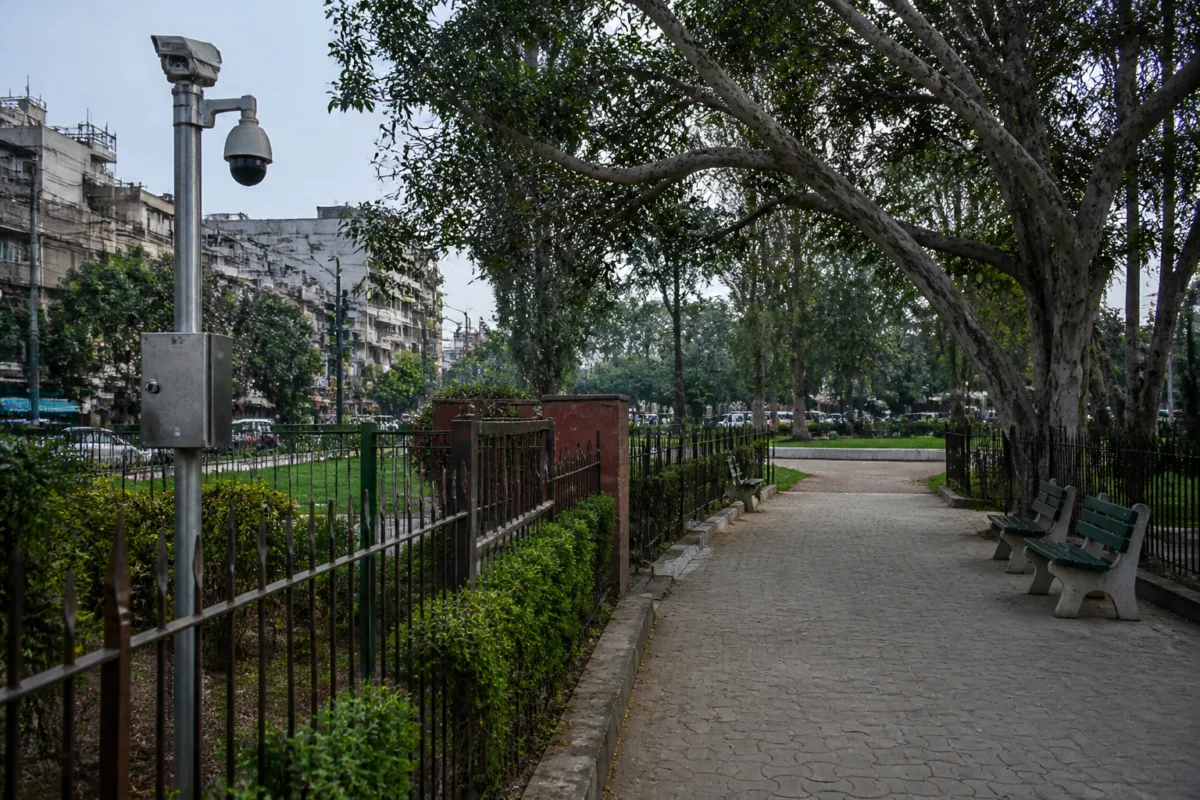
Delhi Police have filed a 400-plus-page chargesheet in the alleged gang rape of a 17-year-old girl inside southeast Delhi’s Aastha Kunj Park, naming three accused and listing more than 55 witnesses, according to details reported from the case record. The chargesheet was filed at Saket Court nearly 60 days after the alleged incident and includes CCTV footage, mobile phone location data and the teenager’s statement.
The accused have been identified as Asif, Hemant and Mukesh. Police have charged them under provisions of the Bharatiya Nyaya Sanhita relating to gang rape, criminal conspiracy, voluntarily causing hurt and criminal intimidation. The chargesheet also invokes Sections 6 and 17 of the Protection of Children from Sexual Offences Act, which concern aggravated penetrative sexual assault and punishment for abetment, according to the report.
The witness list includes the minor and her friend, along with more than 55 other witnesses. Police have also detailed evidence collected during the investigation, including footage showing the accused moving through the area, location records from their mobile phones and other material recovered from the alleged crime scene.
According to the statement recorded in the first information report and included in the chargesheet, the teenager had visited Kalkaji Temple with her friend on her birthday. She said they later bought chips and water near Kalkaji metro station before entering Aastha Kunj Park through Gate No. 7. They were sitting near the swings when three men allegedly approached them.
The girl told police that the men claimed to be policemen and said entry into the area was not allowed. She alleged that the men separated her and her friend, took away their phones and threatened them with weapons. Her statement says one of the accused allegedly displayed a firearm while knives were also used during the assault. The allegations form part of the police case and will be considered by the court during the judicial process.
The chargesheet records the alleged sequence involving all three accused and identifies the names by which they were referred to during the incident. It also includes the minor’s account of being taken towards a darker, less visible part of the park. The supplied report does not indicate that the court has adjudicated the allegations or that a trial has begun.
The case has placed attention on the safety of large public parks and the conditions that can make parts of such spaces difficult to monitor. Aastha Kunj is located in a dense urban zone near Kalkaji and the metro network, where parks, pedestrian routes and transport access intersect. The police evidence described in the chargesheet includes CCTV and digital location records, but the report does not specify the number, coverage or operational status of cameras inside the park.
The filing marks the next formal stage after the investigation. The case will now proceed before Saket Court, where the chargesheet, witness accounts and electronic evidence will be examined through the judicial process.

