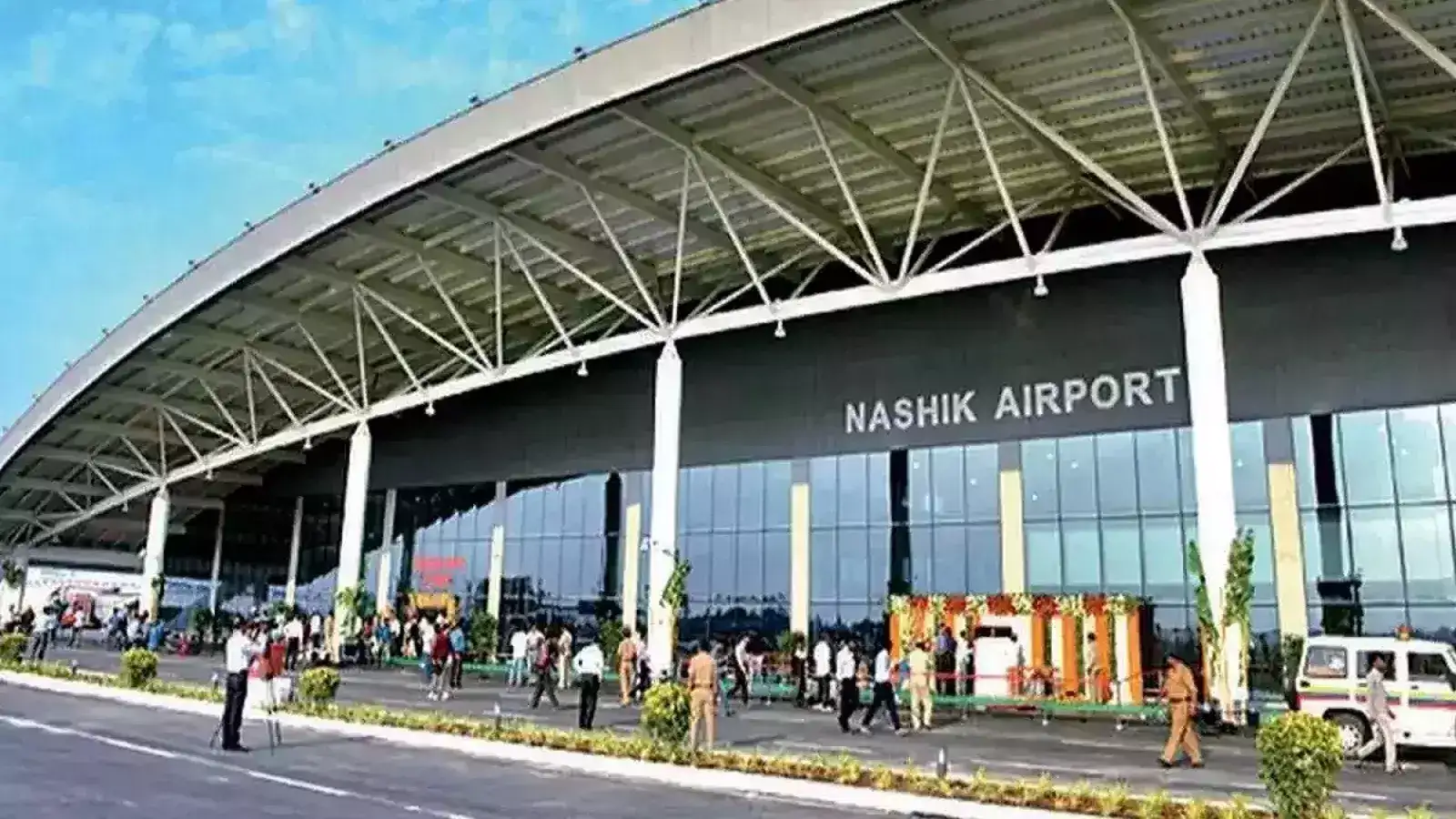
Nashik Region Eyes Airport Growth Ahead Of Kumbh Mela
The Maharashtra government has formally launched a Rs 640 crore expansion of Ojhar Airport, a strategic investment aimed at strengthening regional transport infrastructure ahead of the Simhastha Kumbh Mela in 2027 and supporting Nashik’s long-term economic growth trajectory. The foundation stone for the project was laid this week, signalling a shift in policy towards enhancing aviation capacity in secondary urban centres that are poised for significant demographic and economic demand pressures.
State authorities project an eight- to tenfold increase in visitor numbers during the religious congregation, one of the largest of its kind in India, underscoring the need for resilient mobility infrastructure that can manage peak demand while catalysing broader sectoral benefits. The investment seeks to expand passenger handling capacity, improve cargo operations and unlock new routes that could reshape connectivity linkages for the Nashik region.Urban transport specialists note that bolstering air connectivity ahead of mass events can amplify local economic opportunities — but only if expansion is integrated with long-term infrastructure and sustainability planning. “Temporary surges in transport demand are predictable, but this presents a chance to build capacity that supports business travel, logistics and regional mobility well beyond the event itself,” said an independent aviation analyst.
The investment aligns with indications that Nashik’s existing airport traffic has been on the rise, with passenger numbers growing substantially in recent years. Capacity constraints at the current facility — which handles commercial flights operated from Janori and has historically limited terminal space — have fuelled calls from industry and civic stakeholders for expansion. Prior proposals have included increasing aircraft parking bays and terminal upgrades to support higher throughput, reflecting the airport’s evolving role in regional connectivity.For Nashik’s agribusiness and industrial sectors, improved air freight capabilities could be particularly consequential. Enhanced cargo infrastructure at Ojhar is expected to provide more efficient market access for horticultural produce and perishable goods, a point highlighted by officials at the foundation ceremony. This could reduce wastage, improve price realisation for farmers and integrate the district more effectively into global value chains.
However, some planners caution that aviation expansion must be balanced with sustainable urban development priorities. Large-scale airport upgrades require not just construction funding but also careful planning for land use, ecological impact, and multimodal access. Experts emphasise that integrating public transport links, surface connectivity improvements and climate-resilient design features will determine whether the investment delivers inclusive growth rather than merely event-driven capacity.The broader infrastructure agenda in Nashik underscores this nexus: alongside aviation upgrades, authorities are accelerating projects such as a 66 km outer ring road and river rejuvenation works to ease urban congestion and enhance liveability ahead of the festival.
As preparatory works expand, stakeholders will be watching how project governance, community engagement and environmental safeguards are embedded into implementation. The window to complete these enhancements before the October 2026 commencement of the Simhastha Kumbh Mela — which extends into 2028 — underscores the urgency of coordinated urban infrastructure planning for a city at the cusp of rapid growth.