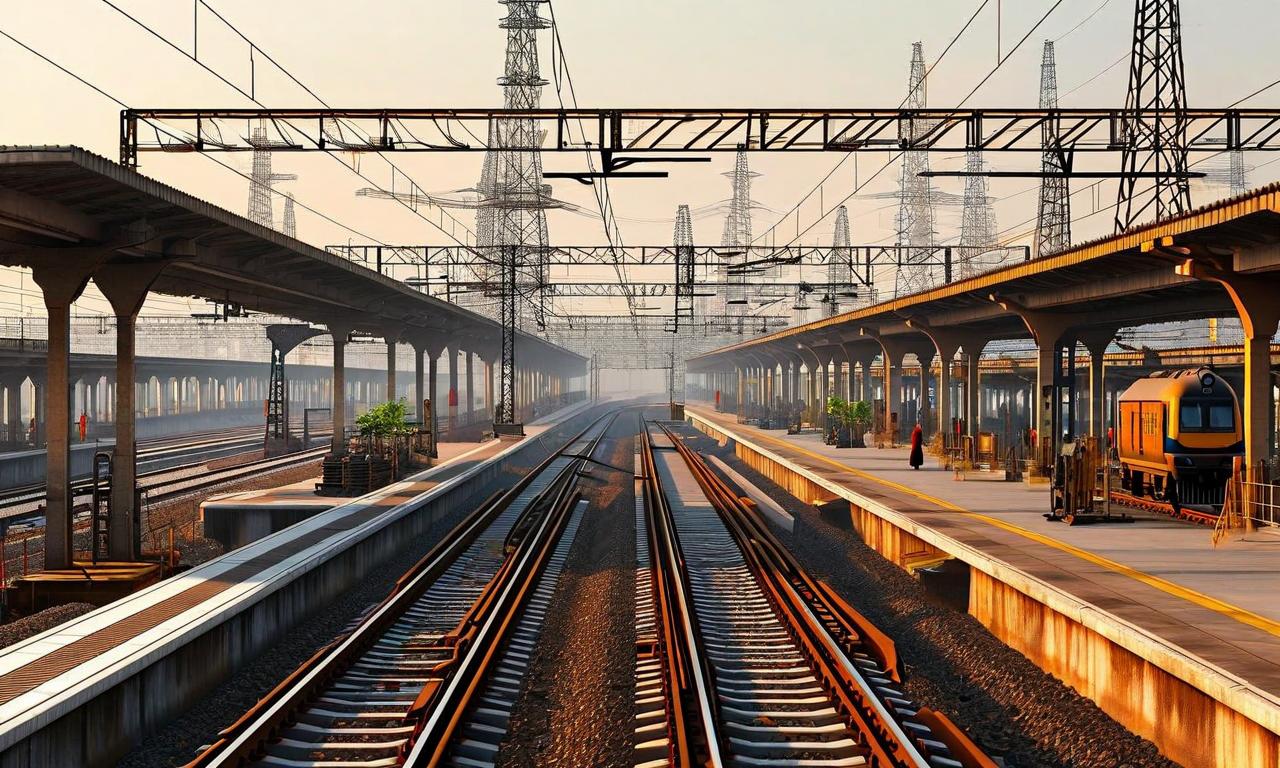
Pune Intercity rail connectivity between western Maharashtra and Rajasthan will see a short-term capacity expansion this February, as Central Railway extends additional services on the Ajmer–Daund corridor to manage sustained passenger demand during the late winter travel period. The decision reflects mounting pressure on long-distance rail routes that connect pilgrimage centres, industrial towns, and fast-growing urban regions. Transport planners say the move is not merely operational but indicative of how seasonal mobility patterns are increasingly shaping railway deployment strategies across India’s urbanising heartlands.
Under the revised operational plan, the weekly special service operating between Ajmer and Daund will run for four additional trips through February. Railway officials confirmed that the extension maintains the existing timetable, halts, and coach composition, allowing passengers and logistics planners to rely on predictable travel windows without last-minute rescheduling. Daund’s role as a critical rail junction near Pune has expanded in recent years, driven by spillover industrial growth, warehousing activity, and residential expansion along regional freight and commuter corridors. The Ajmer connection, meanwhile, supports a diverse passenger mix ranging from migrant workers and small traders to families and religious travellers placing recurring pressure on limited long-distance capacity. Urban transport experts note that such extensions are increasingly being used as adaptive tools rather than emergency measures.
“Temporary service additions help railways respond to peak demand without locking in carbon-intensive infrastructure expansion,” said a senior transport planner familiar with railway operations. “From a sustainability standpoint, optimising existing rail assets is preferable to encouraging road-based alternatives.” The extended services also carry implications for Pune’s broader mobility ecosystem. With rising intercity travel linked to employment, education, and social networks, rail continues to function as a lower-emission backbone for regional movement. This is particularly relevant as cities like Pune attempt to balance economic growth with climate commitments and air-quality targets. Reservations for the additional trips will open at the end of January through standard railway booking channels, including online platforms. Officials have advised travellers to review confirmed schedules before travel, a reminder of the dynamic nature of special-train operations.
While the extension is limited in duration, it highlights a recurring challenge for Indian Railways: aligning service planning with the lived realities of rapidly growing urban clusters. Transport economists argue that data from such temporary deployments should feed into longer-term decisions on route frequency, rolling stock allocation, and multimodal integration. As Pune and its surrounding districts continue to absorb population and economic activity, demand-responsive rail planning is likely to play a larger role in shaping equitable, low-carbon regional mobility one timetable adjustment at a time.