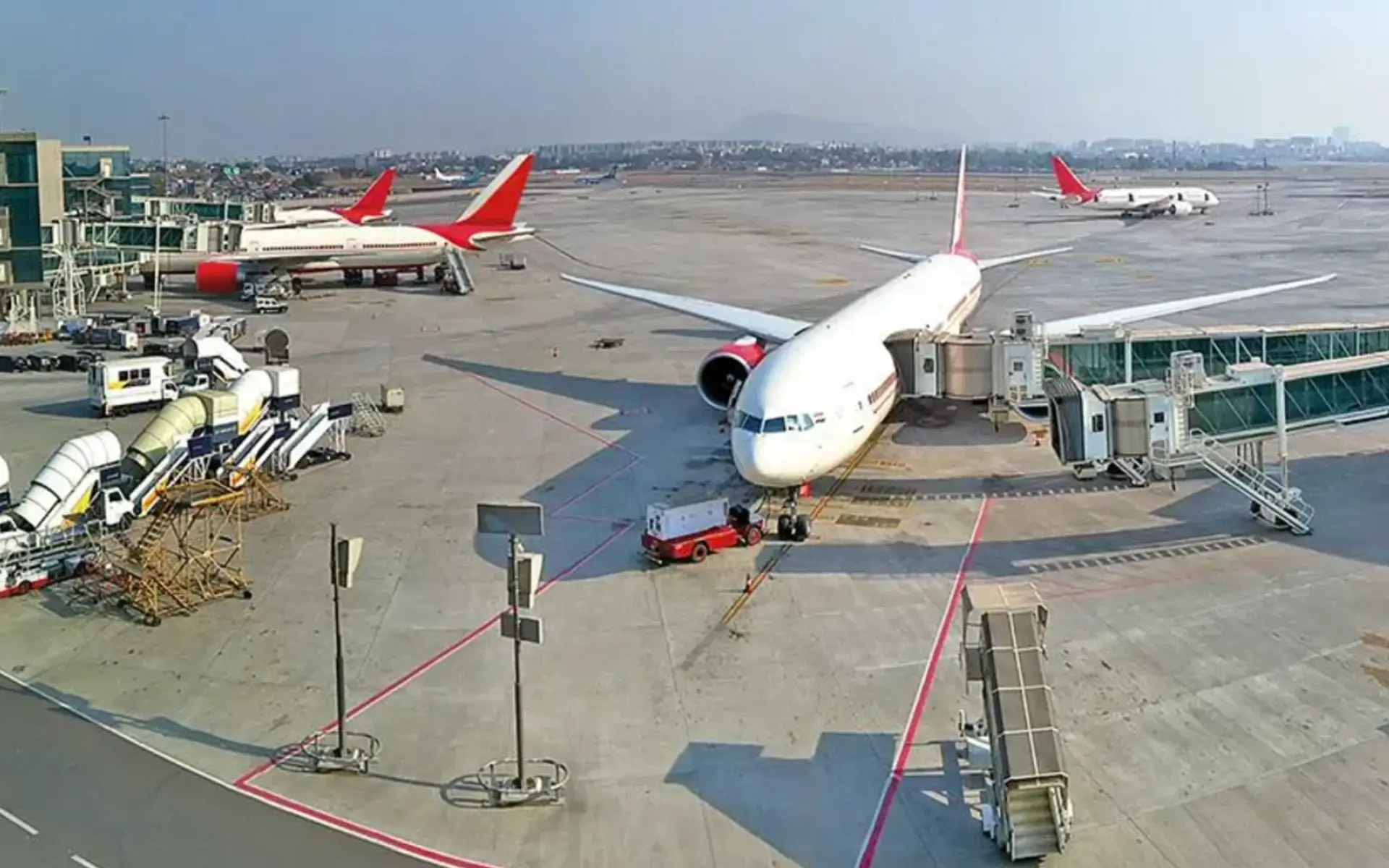
Pune’s ambitions to strengthen its air connectivity ahead of the peak summer travel season face fresh uncertainty, as a combination of infrastructure constraints, airline capacity pullbacks and planned runway works threaten to leave valuable flight slots unused at the city’s airport. The situation has wider implications for regional mobility, business travel and the city’s role as a fast-growing technology and manufacturing hub.
Senior airport officials confirm that several prime-time slots released for commercial use remain unclaimed, even as passenger demand continues to rise. Industry executives point to operational disruptions expected during a temporary runway rehabilitation scheduled for April, a period that coincides with the start of the busy summer flying schedule. While the maintenance is planned during restricted operational hours, airlines have expressed reluctance to launch new services amid uncertainty over runway availability. Compounding the challenge is the dominant market position of a single low-cost carrier at Pune airport. With more than two-thirds of the city’s daily flights operated by one airline, any network rationalisation has a disproportionate local impact. Aviation sources say the carrier has suspended multiple services from Pune and relinquished hundreds of slots nationwide due to fleet and crew constraints. Although airport authorities have invited other airlines to utilise the vacated slots, limited availability of trained crew and aircraft has slowed uptake.
Beyond airline decisions, infrastructure remains a binding constraint. Pune airport operates with a restricted number of parking bays, limiting the number of aircraft that can be handled simultaneously. Officials familiar with airport planning say that congestion risks increase sharply during peak hours, raising safety and scheduling concerns. The long-pending transfer of defence land required for apron expansion continues to delay the creation of additional parking and remote bays, a project that could take at least another year to complete once approvals are secured. Urban development experts warn that inadequate aviation capacity could undermine Pune’s economic momentum. The city has emerged as a major destination for global capability centres, data infrastructure and export-oriented industries that depend on reliable domestic and international air links. Limited connectivity not only constrains business travel but also contributes to persistently high airfares, reducing accessibility for residents and smaller enterprises.
From a broader urban planning perspective, the Pune airport slots issue highlights the need for better coordination between civil aviation authorities, defence stakeholders and state agencies. Sustainable city growth depends on transport systems that can scale efficiently while minimising congestion and emissions. Improved airport infrastructure, combined with predictable scheduling and diversified airline participation, could help distribute passenger flows more evenly and reduce pressure on road networks serving the airport. As passenger numbers are projected to grow steadily over the coming year, stakeholders agree that timely decisions on infrastructure upgrades and slot allocation will determine whether Pune can convert demand into durable, inclusive connectivity or continue to lose momentum at a critical stage of its urban and economic expansion.