


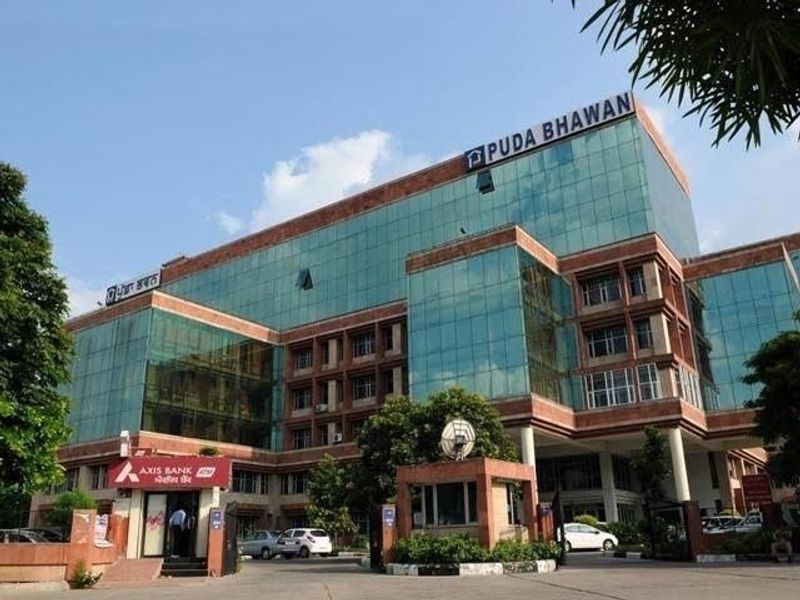
The Punjab Real Estate Regulatory Authority (RERA) has taken decisive action against the Greater Mohali Development Authority (GMADA) for delayed plot possession in Chandigarh, ordering the recovery of Rs 25.89 lakh as arrears of land revenue. The move underscores regulatory vigilance in ensuring accountability for statutory obligations and protecting homebuyers’ interests in the region.
The directive follows a complaint filed by a resident of Sector 21, Chandigarh, regarding the possession delay of a 256‑yard plot in Sector 83 Alpha originally scheduled for delivery in 2016. GMADA reportedly delayed possession by three years, prompting the complainant to seek relief under the Real Estate (Regulation and Development) Act, 2016. Despite earlier RERA orders issued in February 2025, the authority did not comply, leading to the execution proceedings initiated in October 2025. Under Section 40 of the RERA Act, penalties, interest, and compensation can be recovered from defaulters as arrears of land revenue, giving the authority legal leverage to attach assets and enforce compliance. In this case, the certificate of recovery mandates the Deputy Collector to execute the recovery from GMADA’s attached properties and report compliance back to RERA. Industry experts note that this reinforces the Act’s enforcement mechanisms, ensuring developers and authorities adhere to timelines and contractual obligations. The case highlights ongoing challenges in public sector real estate delivery, where infrastructure authorities like GMADA balance large-scale urban planning with legal accountability to individual buyers. Urban planners emphasise that delayed possession affects not only buyers’ financial planning but also the broader perception of governance and investor confidence in residential markets.
By enforcing penalties, RERA signals a stronger commitment to timely project delivery and structured dispute resolution. Legal analysts suggest that such enforcement actions could set precedents for similar cases across India, especially in scenarios where government agencies or quasi-government entities fail to meet possession commitments. “The recovery mechanism under RERA now provides a direct route to ensure monetary redress, even when the defaulter is a statutory development authority,” said a senior real estate legal consultant. For homebuyers, the ruling offers reassurance that statutory protections extend beyond private developers to government-linked bodies. For regulators and urban administrators, it serves as a reminder that compliance with RERA directives is critical, reinforcing accountability frameworks and the credibility of urban housing governance.
Looking forward, experts expect that adherence to statutory possession timelines will increasingly be monitored, with penalties and asset attachments emerging as practical tools to enforce compliance. These measures aim to cultivate a more transparent, disciplined, and buyer-centric real estate ecosystem in the Chandigarh-Mohali region and across Punjab.
Also Read: Upcoming Gurugram Projects Promise Urban Diversity
Punjab RERA Orders GMADA Asset Recovery
