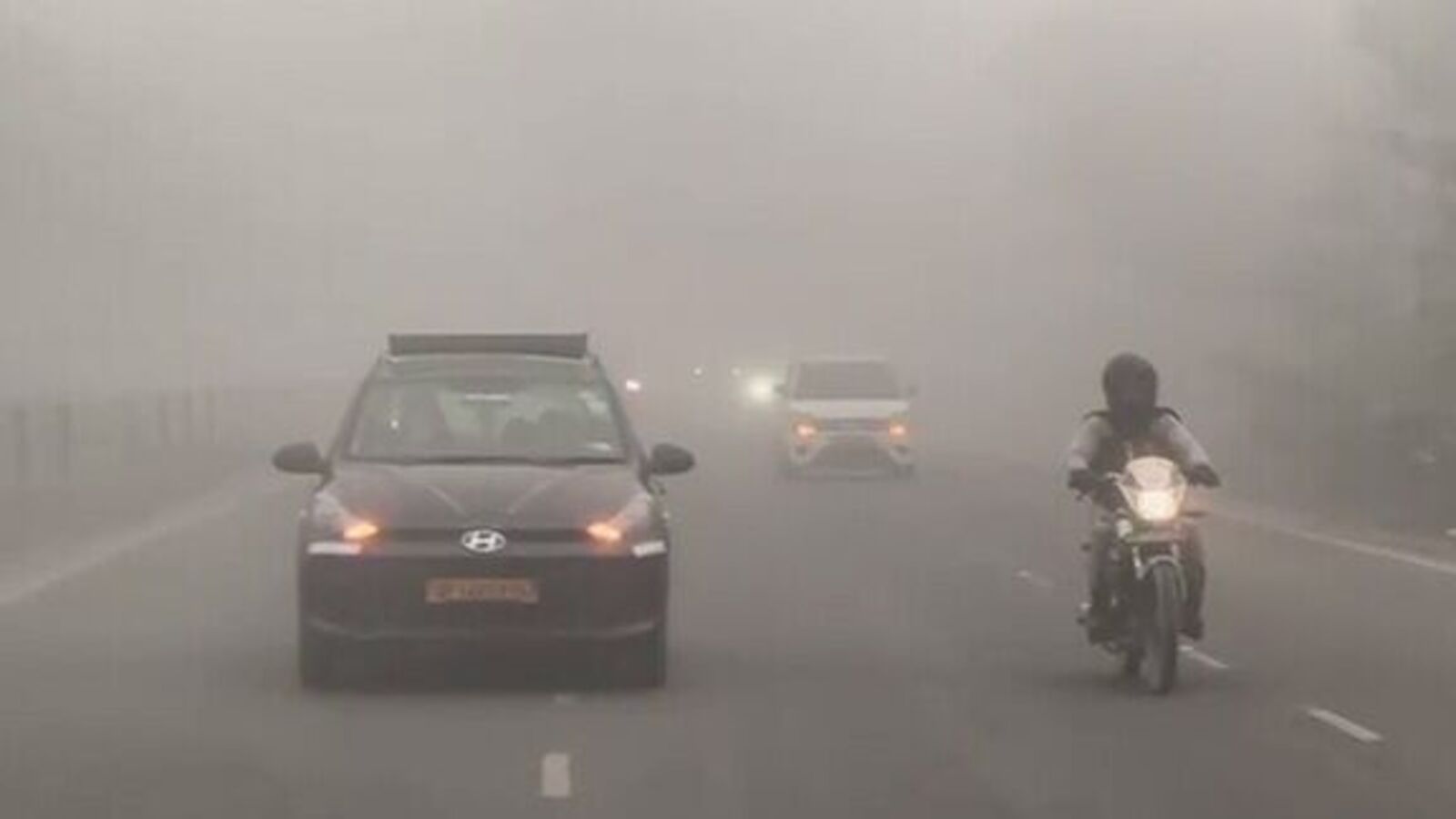
Delhi recorded a marginal easing in pollution levels on Tuesday morning, with citywide readings slipping out of the “severe” bracket after three days of hazardous air. While the improvement offers temporary respite, urban planners and public health experts warn that the capital’s fragile winter air quality underscores deeper structural challenges for India’s largest urban economy.
The city’s average air pollution index moved into the “very poor” category, still well above levels considered safe for daily outdoor activity. Several monitoring stations in the north and east of Delhi continued to report critically high concentrations of fine particulate matter, highlighting how localised hotspots persist even when citywide averages improve. For residents, the shift from “severe” to “very poor” may appear technical, but the difference remains largely academic in real terms. At these levels, exposure risks remain elevated for children, the elderly and those with respiratory conditions, while productivity losses from reduced outdoor labour and rising healthcare demand quietly strain the urban economy.
The brief improvement follows emergency measures triggered earlier this week under the national air pollution response framework. These restrictions, which include limits on construction activity, vehicle use and industrial operations, are designed to arrest acute spikes rather than address the long-term sources of pollution. A senior official involved in air quality management said the current pattern once again shows that “reactive controls buy time but do not replace systemic change.” Weather has offered little assistance. Low wind speeds, cold nights and dense fog have restricted the dispersal of pollutants, a recurring pattern in north India’s winter months. Urban climate researchers note that such meteorological traps are becoming more frequent as cities expand vertically and horizontally, reducing natural ventilation corridors and amplifying heat and pollution retention.
For the real estate and infrastructure sectors, episodes like this are reshaping priorities. Developers are increasingly under pressure to integrate air filtration systems, green buffers and low-emission construction practices into new projects. Market analysts point out that residential demand is gradually shifting towards buildings that can demonstrably offer healthier indoor environments, particularly in transit-linked corridors and mixed-use districts. Transport remains a central fault line. Despite investments in metro rail and electric mobility, private vehicle dependence continues to rise, diluting the gains of cleaner technologies. Industry experts argue that without faster integration of last-mile connectivity, freight rationalisation and pedestrian-first planning, Delhi air quality improvements will remain episodic rather than durable.
From a governance perspective, the persistence of high pollution even after emergency curbs raises questions about coordination across municipal boundaries. Emissions from surrounding regions routinely flow into the capital, exposing the limits of city-only interventions in a tightly interconnected urban cluster. Looking ahead, forecasters expect pollution levels to remain in the same unhealthy range over the next two days, absent a change in weather. For policymakers, the moment serves as a reminder that Delhi air quality is no longer merely an environmental issue but a test of urban resilience, economic competitiveness and public trust in city management. The path forward, urban planners suggest, lies less in seasonal firefighting and more in embedding air-sensitive design, clean energy transitions and regional planning into the DNA of India’s metropolitan growth.
Delhi Air Quality Seadies After Severe Phase