


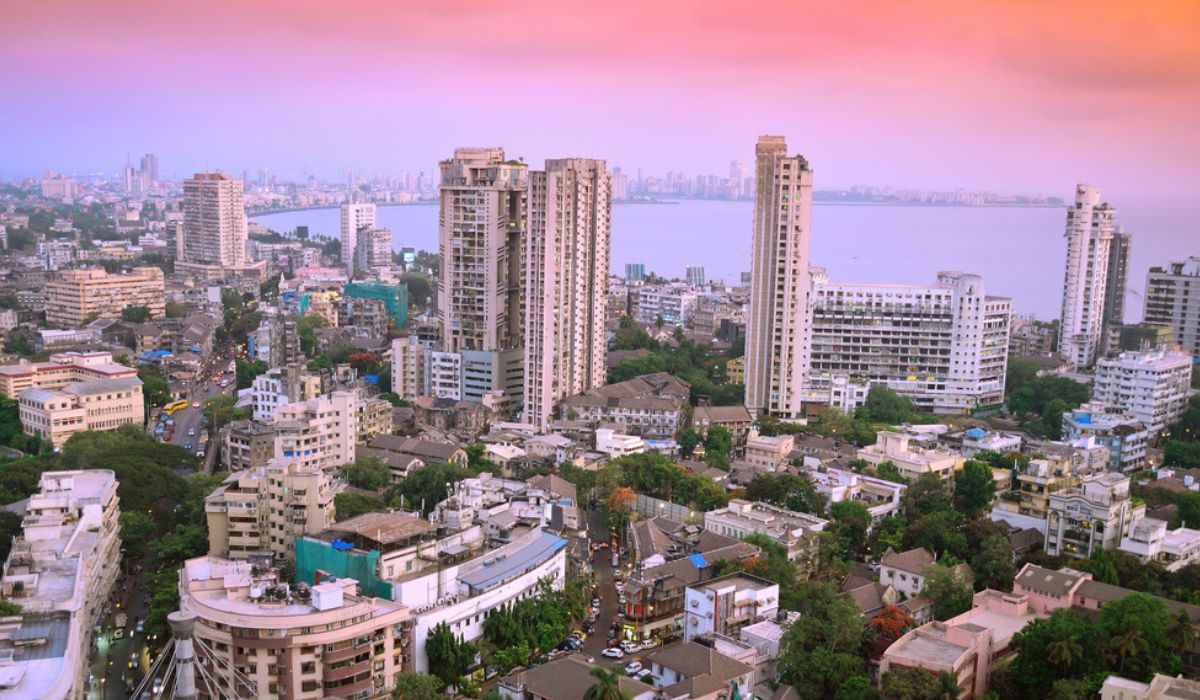
Institutional capital is making a deeper push into Navi Mumbai’s residential market, signalling growing confidence in the region’s long-term urban and economic fundamentals. A domestic property-focused investment platform has committed fresh capital to multiple housing developments across key nodes, reflecting how infrastructure-led growth is reshaping homebuyer and investor preferences beyond Mumbai’s traditional core.
The investment has been directed towards residential projects in CBD Belapur and Ghansoli, two locations that sit at the intersection of employment hubs, mass transit corridors and established civic infrastructure. Market participants view this as a strategic entry into Navi Mumbai at a time when the region is transitioning from a satellite township into a self-sustaining urban centre. CBD Belapur, which hosts government offices, corporate campuses and retail clusters, continues to attract mid- to upper-middle-income homebuyers seeking proximity to workplaces without the density pressures of island Mumbai. Ghansoli, anchored by IT and business parks along the Thane-Belapur corridor, has emerged as a preferred residential choice for professionals prioritising shorter commutes and access to public transport. Urban planners point out that Navi Mumbai’s appeal lies not only in affordability but in its planned layout, wider roads, distributed open spaces and relatively lower carbon intensity per household. These factors, combined with upcoming infrastructure such as the Navi Mumbai International Airport and expanding Metro connectivity, are steadily shifting residential demand patterns across the Mumbai Metropolitan Region.
The CBD Belapur project associated with the investment spans approximately two acres and is planned as a multi-building residential development offering family-sized configurations. Such projects align with a broader market trend where developers are responding to end-user demand for larger homes, better daylight, and integrated amenities rather than speculative inventory. This transaction follows earlier residential investments by the same fund in Mumbai and Pune, indicating a portfolio strategy focused on urban markets with strong job creation, infrastructure visibility and regulatory clarity. Analysts note that property funds are increasingly selective, favouring locations where civic investment and transport upgrades reduce long-term market risk.bFrom a city perspective, the growing flow of institutional capital into Navi Mumbai underscores the importance of balanced regional development. As employment decentralises and transport links improve, housing growth in well-planned nodes can ease pressure on Mumbai’s overstretched core while offering more inclusive access to home ownership. However, experts caution that sustained success will depend on execution quality, environmental safeguards and coordination with local authorities to ensure infrastructure keeps pace with residential density. Water management, public transport integration and last-mile connectivity will be critical to maintaining liveability as new projects come online.
As Navi Mumbai continues its evolution, the entry of long-term capital suggests the region is no longer viewed as an alternative market but as a core component of the metropolitan housing ecosystem, with implications for affordability, commuting patterns and sustainable urban growth.
Also Read: Lower Parel Strengthens Mumbai Commercial Core
Navi Mumbai Draws Fresh Institutional Housing Capital
