


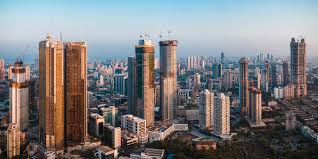
Mumbai’s Lower Parel commercial district is witnessing renewed institutional interest as a major domestic developer secures development rights for a new premium office project, reinforcing the area’s position as a central business hub amid the city’s evolving infrastructure network.
The transaction involves the acquisition of development rights for a 1.34-acre land parcel along Elphinstone Road, enabling the construction of a large-format, grade-A commercial office tower. Industry analysts view the deal as a strategic bet on long-term office demand in central Mumbai, particularly from financial services, professional services and multinational firms seeking well-connected urban workplaces. Lower Parel has steadily transformed from a former mill district into one of Mumbai’s densest commercial and mixed-use zones. Its appeal lies in proximity to South Mumbai, established residential catchments, suburban rail corridors and emerging east–west road connectivity. Urban planners note that this concentration reduces commute distances for a large segment of the city’s workforce, aligning with people-first and lower-emission urban development goals. The proposed development is expected to deliver a single high-rise office tower with multiple basement and podium levels, designed for efficient floor plates that support flexible workplace formats. Beyond office space, the campus is planned to integrate everyday amenities such as food services, childcare facilities and shared business spaces, reflecting a broader shift towards self-contained commercial environments that reduce travel needs during workdays.
Infrastructure investment around the site is a key factor shaping its attractiveness. The reconstruction of the Elphinstone bridge and its integration into the Sewri-Worli Connector is expected to significantly improve east-west mobility across the island city. Once completed, the corridor will link major transport arteries, including the Mumbai Trans Harbour Link and the Coastal Road, strengthening Lower Parel’s role as a central node within the metropolitan road network. Market data indicates that office rentals in Lower Parel have continued to firm over the past year, supported by limited new supply and steady demand from occupiers seeking central locations over peripheral business districts. Residential values in surrounding neighbourhoods have also seen moderate appreciation, underscoring the interdependence between commercial growth and housing markets. Real estate experts caution, however, that future success will depend on how new developments manage density, pedestrian access and public infrastructure load. As central Mumbai absorbs additional office stock, coordinated planning with transport authorities and local bodies will be essential to prevent congestion and service strain. The project also reflects a broader industry trend of developers increasingly opting for direct land acquisitions rather than joint development structures, signalling confidence in long-term commercial real estate fundamentals despite cyclical market fluctuations.
As Mumbai continues to rebalance office growth between traditional business districts and emerging corridors, Lower Parel’s evolution will serve as a test case for how legacy urban areas can accommodate modern workplaces while maintaining liveability, connectivity and climate resilience.
Also Read: Navi Mumbai Real Estate Shifts Beyond Satellite Role
Lower Parel Strengthens Mumbai Commercial Core
